
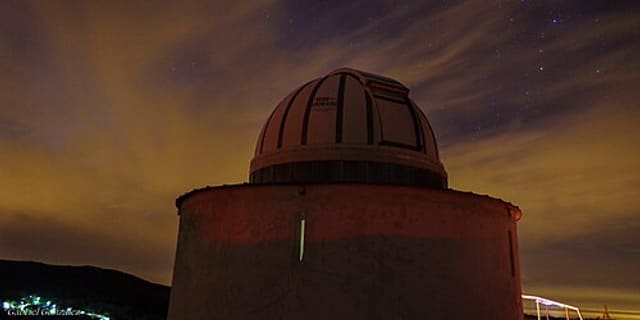
Coimbra University observatory

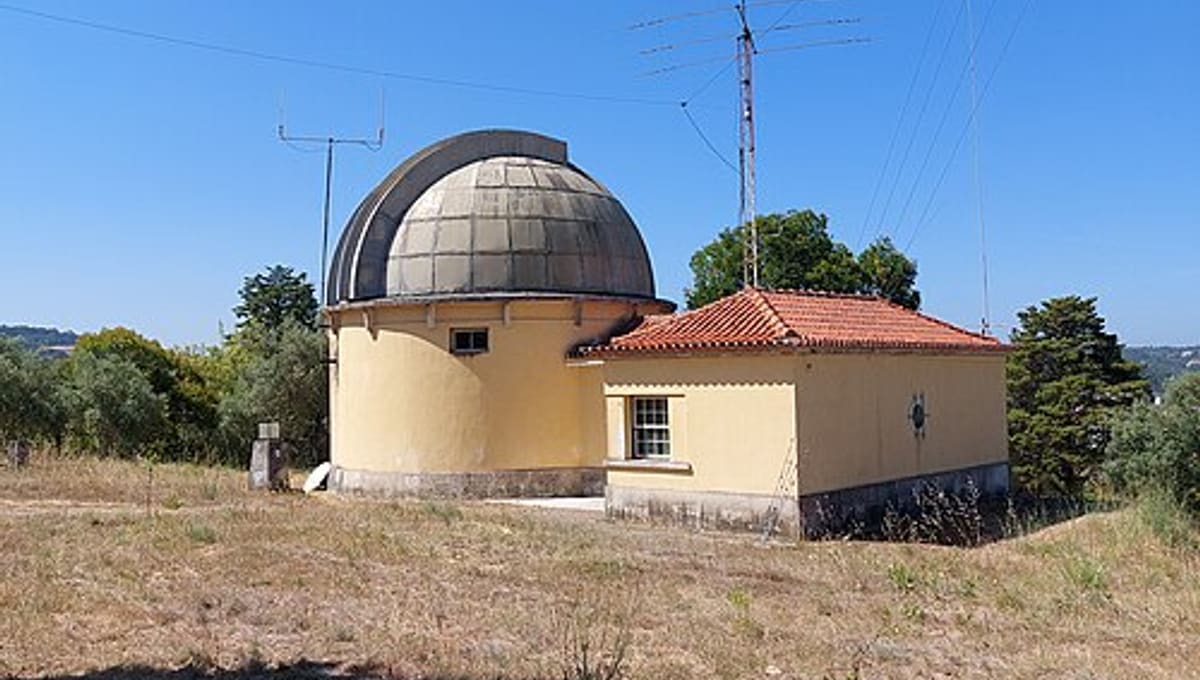
Image: Wikimedia Commons
Founded in 1772 as part of a sweeping reform of the University of Coimbra, this observatory holds the distinction of being both Portugal's first astronomical observatory and the country's first observatory attached to a university.
About Coimbra University observatory
What visitors see today is the result of centuries of development. A provisional building went up between 1775 and 1777 and served for fifteen years before a permanent Royal Observatory, designed by Manuel Alves Macomboa, was constructed from 1790 and inaugurated in 1799 in the Patio of the University, the Paço das Escolas. In 2013, the astronomical observatory merged with the university's Geophysical Institute, founded in 1864, to form what is now known as the Geophysical and Astronomical Observatory of the University of Coimbra (OGAUC).
History
The observatory's 1772 founding was part of a major reform of the University of Coimbra, one of Europe's oldest universities, reflecting the growing importance of astronomy and physical sciences in 18th-century Portuguese higher education. Its 1799 building in the Paço das Escolas remains a landmark of the university's historic centre, itself a UNESCO World Heritage Site.
Location & getting there
The observatory is part of the University of Coimbra campus, in the city of Coimbra, Portugal, within the historic Paço das Escolas complex at the heart of the university.
Visiting Coimbra University observatory
The observatory is operated by the Universidade de Coimbra; visit the official website for current opening times and any tour information before travelling.
See your named star from here
A star named through Star Register comes with precise right ascension and declination coordinates. A university observatory with a heritage of astronomical research stretching back to 1772, like this one, is well placed to help you point a telescope at those exact coordinates. Browse the star catalogue to find your named star.
Opening hours and public-visit programs vary by season. Check the official website and Google Maps for current times before you travel.
Institutional and reference sources used to verify this guide.
Satellite imagery: Esri, Maxar, Earthstar Geographics

 175 kmResearch
 177 km
 255 km
 268 km