
Colaba Observatory
Satellite imagery: Esri, Maxar, Earthstar Geographics
On Colaba Island in Mumbai, India, the Colaba Observatory has been a scientific fixture for nearly two centuries, tracking everything from stellar transits to the Earth's magnetic field.
About Colaba Observatory
Also known as the Bombay Observatory, it was founded in 1826 by the East India Company as an astronomical, timekeeping, geomagnetic and meteorological station.
History
Astronomer Arthur Bedford Orlebar began systematic geomagnetism and meteorological recordings there in 1841, and equipment supplied by Francis Ronalds of Kew Observatory, including atmospheric electricity apparatus and photo-recording instruments, was installed in 1846 and 1867. Continuous magnetic records began in 1871, forming one of the world's most complete geomagnetic datasets, later verified by researcher Pierre Noel Mayaud in 1973. In 1900 the observatory's magnetic operations were moved to Alibag to escape interference from a planned electric tram system, and in 1971 the institution became the autonomous Indian Institute of Geomagnetism. The original 1826 building still stands as the institute's Mumbai headquarters, with the institute now operating ten magnetic observatories across India.
Location & getting there
The observatory is located on Colaba Island in south Mumbai, India, in the heart of one of Asia's largest cities.
Visiting Colaba Observatory
Colaba Observatory functions as a research institution rather than a public visitor attraction; check with the Indian Institute of Geomagnetism directly before planning a visit.
See your named star from here
Mumbai's Colaba Observatory has spent 200 years tracking precise coordinates in the sky and on Earth. If you've named a star with Star Register, you can look up its exact position any time in our star catalogue.
Opening hours and public-visit programs vary by season. Check Google Maps for current times before you travel.
Institutional and reference sources used to verify this guide.
Satellite imagery: Esri, Maxar, Earthstar Geographics

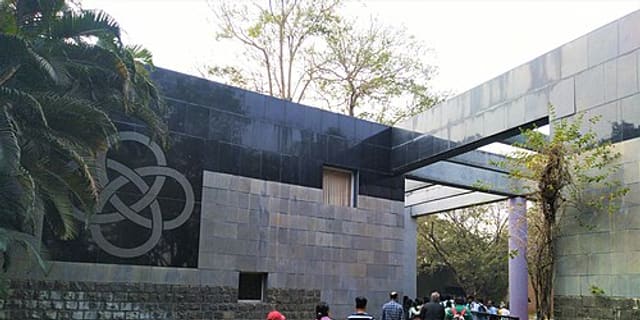 101 kmResearch
Inter-University Centre for Astronomy and Astrophysics
Indian institute for Astronomical sciences

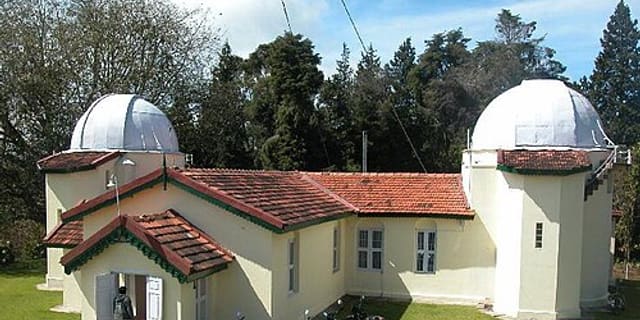 1,058 kmSolar
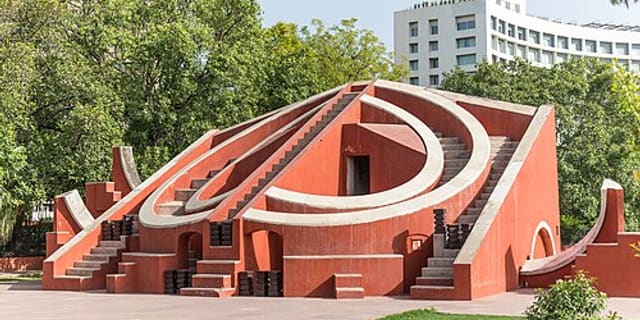 1,195 km