
Center of Research in Astronomy, Astrophysics and Geophysics

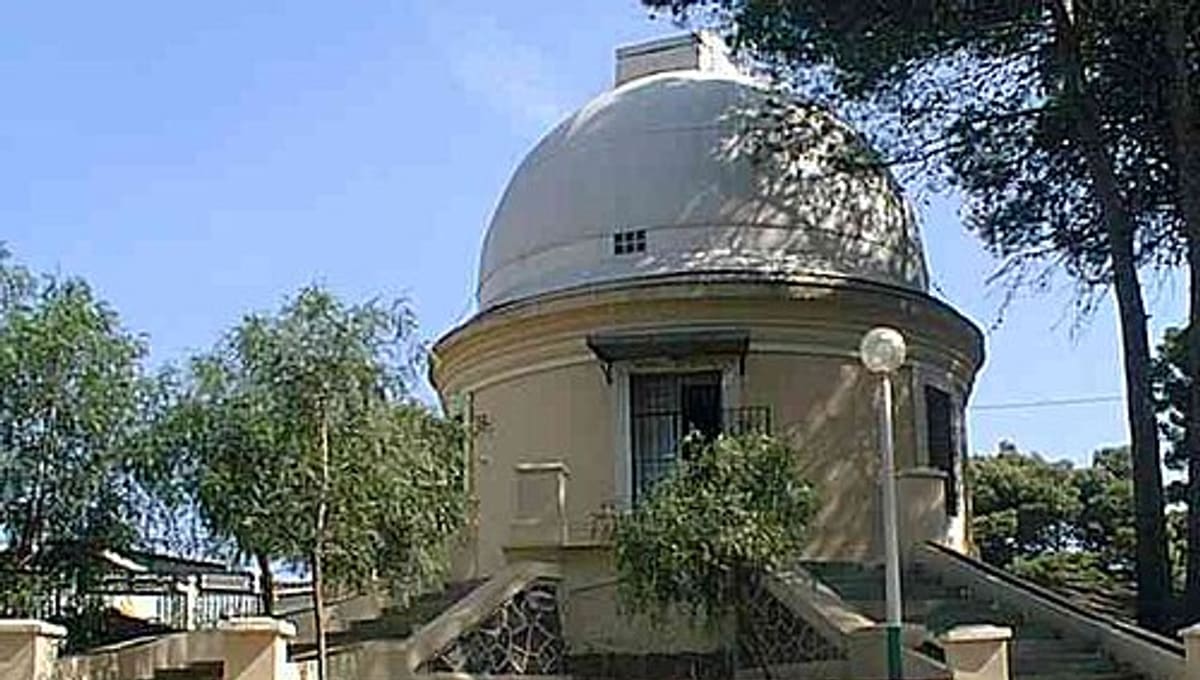
Image: Wikimedia Commons
The Centre de Recherche en Astronomie, Astrophysique et Géophysique — CRAAG — occupies the historic Algiers Observatory site in Bouzaréah, on the hills above Algiers, Algeria.
About CRAAG
Founded as the Algiers Observatory in the late 19th century, the site took part in the international Astrographic Catalogue project, exposing 1,260 photographic plates between 1891 and 1911 to map the sky's zone between -2 and +4 degrees declination under director François Gonnessiat. Today it operates as CRAAG, combining its astronomical roots with research in astrophysics and geophysics.
History
The observatory dates to the late 19th century, when it was known as the Algiers Observatory and contributed star-plate data to the worldwide Astrographic Catalogue effort of 1891–1911 under François Gonnessiat.
Telescopes & research
CRAAG's work now spans solar and stellar astrophysics alongside seismic studies, subsurface geophysics, globe physics and geological hazard assessment. The centre monitors earthquakes and runs Algeria's seismic and geodetic networks in addition to its ongoing astronomical observations.
Location & getting there
CRAAG sits in Bouzaréah, a suburb in the hills overlooking Algiers, Algeria, on Africa's Mediterranean coast.
Visiting CRAAG
CRAAG runs public astronomical programs and events; check the centre's official website for the current schedule before planning a visit.
See your named star from here
A research centre with more than a century of star-mapping history is a fitting place to picture your named star. Explore its coordinates and neighbours in our catalogue.
Opening hours and public-visit programs vary by season. Check the official website and Google Maps for current times before you travel.
Institutional and reference sources used to verify this guide.
Satellite imagery: Esri, Maxar, Earthstar Geographics

 316 km