
ATLAS–CHL observatory
Satellite imagery: Esri, Maxar, Earthstar Geographics
ATLAS–CHL is one of the robotic telescope units of the ATLAS asteroid-detection network, hosted at El Sauce Observatory in Chile's Río Hurtado valley, one of the clearest and darkest stretches of sky in the Southern Hemisphere.
About ATLAS–CHL observatory
ATLAS–CHL is a station of the Asteroid Terrestrial-impact Last Alert System (ATLAS), a NASA-funded early-warning survey developed and operated by the University of Hawaii's Institute for Astronomy to spot small near-Earth asteroids days to weeks before any possible impact. The Chilean unit became operational in early 2022 as part of ATLAS's expansion into the Southern Hemisphere, joining sister stations in Hawaii and South Africa to give the system near-continuous coverage of the night sky. It sits at an elevation of 1,570 metres.
Telescopes & research
Like the other ATLAS units, the Chile telescope is one of a matching set of wide-field Wright-Schmidt instruments carrying large-format CCD cameras, built to scan wide swaths of sky quickly rather than to make deep, narrow observations. Beyond asteroid and comet detection, the ATLAS network as a whole has also picked up thousands of supernovae and other transient events and tracked variable stars. A live public status dashboard for this station is published online.
Location & getting there
ATLAS–CHL is hosted at El Sauce Observatory in the Río Hurtado valley, part of Chile's Coquimbo Region in the southern Atacama, an area that logs around 300 clear nights a year. El Sauce is a fully robotic hosting facility built for remote-operated telescopes rather than a walk-in visitor site; the valley itself sits within Chile's well-known astrotourism corridor near the Elqui and Hurtado valleys.
Visiting ATLAS–CHL observatory
ATLAS–CHL runs unattended, and El Sauce Observatory is not generally set up for public tours the way some larger Chilean observatories are. If you're travelling through the Río Hurtado valley, check locally for astrotourism operators offering stargazing evenings in the area rather than expecting access to the ATLAS facility itself.
See your named star from here
The dark Atacama skies above ATLAS–CHL are some of the best on the planet for finding a named star. Name a star to get its exact coordinates and certificate, then browse the star catalogue or check other observatories in Chile that welcome visitors.
Opening hours and public-visit programs vary by season. Check the official website and Google Maps for current times before you travel.
Institutional and reference sources used to verify this guide.
Satellite imagery: Esri, Maxar, Earthstar Geographics

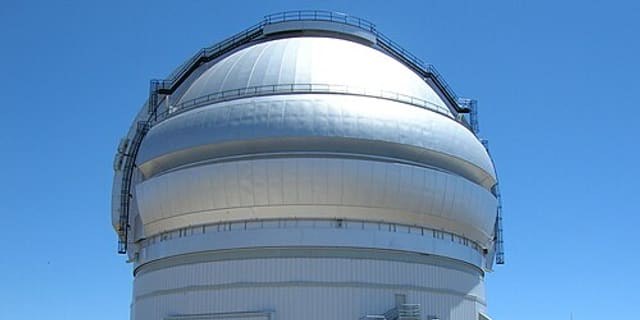 26 km
26 km
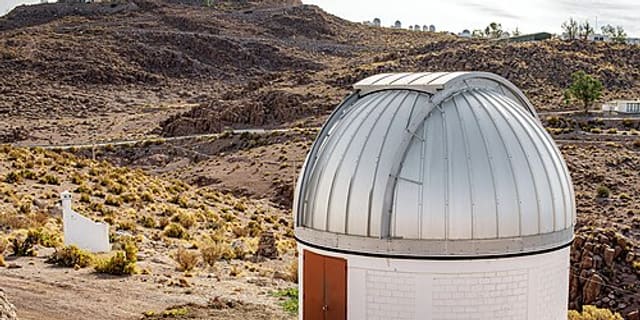 33 km
33 km
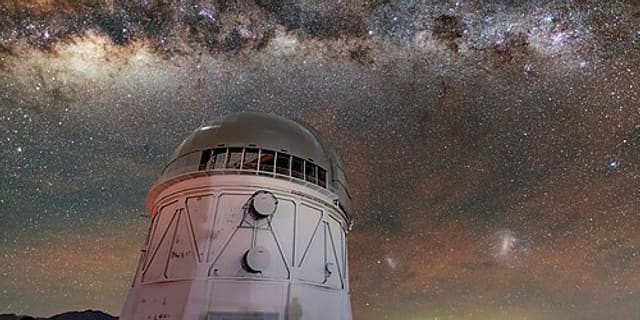 34 km
34 km