
Lake Hudson State Recreation Area

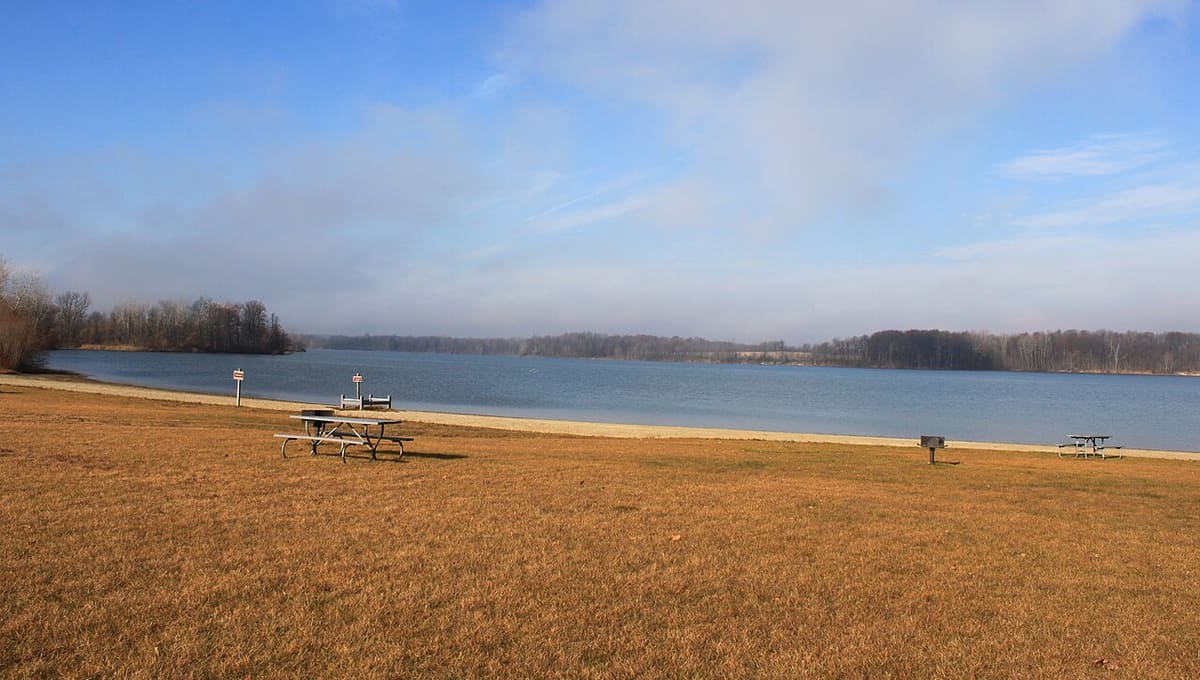
Image: Dwight Burdette · CC BY 3.0 · Wikimedia Commons
Lake Hudson State Recreation Area covers 2,200 acres around a 600-acre lake in Lenawee County, Michigan, and holds a special place in dark-sky history: it was designated the first dark-sky preserve in the United States, back in 1993.
Why Lake Hudson is a top stargazing spot
As Michigan's first Dark Sky Preserve, Lake Hudson set a precedent that later dark-sky places across the country would follow. A dedicated dark-sky viewing area sits by the park's picnic shelter and is open 24 hours a day, year-round, making it one of the more accessible protected night-sky sites in the Midwest.
What you can see
The Milky Way is clearly visible to the naked eye on clear nights, and meteor showers are described as spectacular from the preserve. Visitors with amateur telescopes can resolve deep-sky objects such as nebulae, galaxies and star clusters, a level of detail that light-polluted skies simply do not allow. During unusually strong geomagnetic storms, aurora has occasionally been reported as far south as Michigan, though it's a rare bonus rather than something to plan a trip around.
Visiting Lake Hudson at night
The recreation area has a semi-modern campground with roughly 50 sites offering 20/30-amp electrical hookups, a fire ring and a picnic table at each site, plus vault toilets and potable water from a hand pump; there are no showers or a dump station. The campground, along with a tiny house available for rent, operates from April 1 through November 30, and sites can be booked by phone at 1-800-447-2757 or online at MiDNRReservations.com; a Michigan Recreation Passport is required for vehicle entry. Because the dark-sky viewing area itself is open around the clock year-round, it's easy to plan a visit around the new Moon or a clear forecast even outside the camping season.
Best time to go
Summer through early autumn is the classic Milky Way season this far north, with the galaxy's core visible low in the south from roughly March through September and the warmest camping weather falling in the middle of that stretch. The Perseid meteor shower peaks every August. Winter nights bring the sharper, high-contrast winter constellations along with the Geminid shower in December and the Quadrantids in early January, though camping outside the main season takes extra planning for the cold. Whatever time of year, aim for a new Moon, let your eyes adjust for twenty to thirty minutes, and use a red light to preserve your night vision.
Getting there
The park's main entrance is along M-156 in Hudson Township, in southwestern Lenawee County, with a small portion extending south into Medina Township. Check the Michigan DNR site for driving directions and current road conditions before an evening visit.
See your named star from here
As the first dark-sky preserve in the country, Lake Hudson is a fitting place to go looking for a named star with its coordinates and a stargazing app. The preserve's genuinely dark sky, even in a state as developed as Michigan, gives you a real chance of tracking it down. Browse the star catalogue or check out other dark-sky sites nearby.
Conditions and access vary by season. Check Google Maps before you travel, and aim for a clear night near the new Moon for the darkest sky.
Satellite imagery: Esri, Maxar, Earthstar Geographics

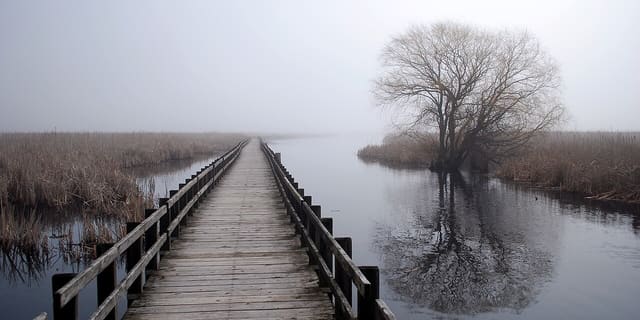 144 kmPreserve
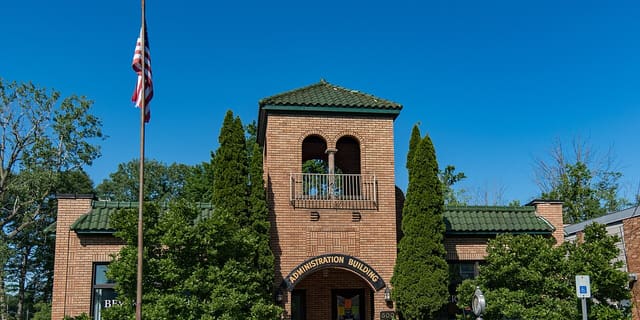 228 kmCommunity
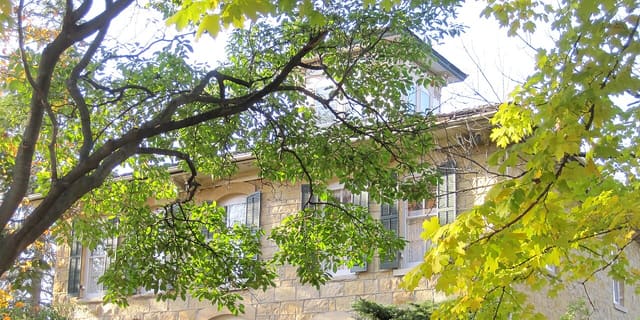 309 kmCommunity