
Homer Glen

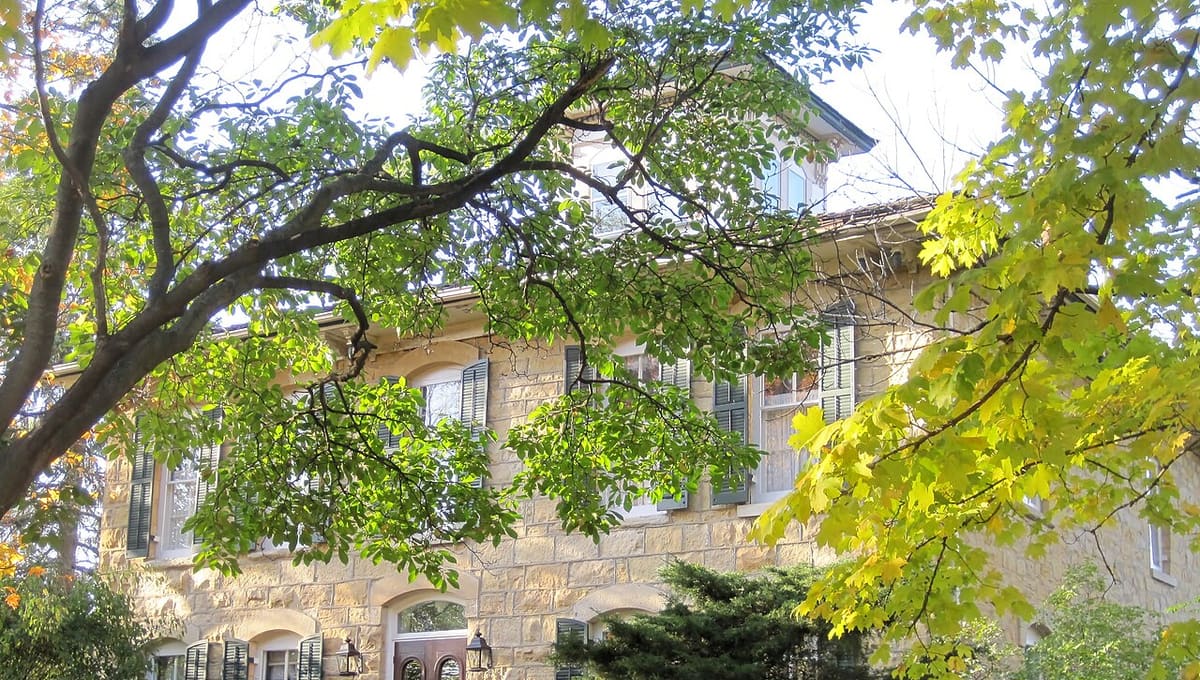
Image: User:Teemu08 · CC BY-SA 3.0 · Wikimedia Commons
Homer Glen, a village of around 24,500 people in Will County, Illinois, about 32 miles southwest of Chicago, became the fourth community in the world, and the first in Illinois, to be designated an International Dark Sky Community.
Why Homer Glen is a top stargazing spot
The International Dark-Sky Association awarded Homer Glen its designation in 2011, and it remains the first community east of the Mississippi River to achieve it. The recognition followed a groundbreaking outdoor lighting ordinance the village passed in 2007, the first stand-alone ordinance of its kind in Illinois. The ordinance requires full cutoff fixtures, limits how much light a property can produce, and aims to protect neighbours from unwanted light spill while reducing the impact on wildlife.
What you can see
Because Homer Glen is a designated community rather than a remote wilderness site, its night sky is darker than typical suburban Chicago skies but not comparable to a national park; local conditions are estimated at roughly Bortle Class 4 to 5, since Illinois has no sites reaching the darkest Bortle 1 to 3 range. Even so, it offers a genuinely better view of stars and the Milky Way than most places this close to a major city.
Visiting Homer Glen at night
The village holds biannual stargazing events at Trantina Farm together with Homer Township, where amateur astronomers bring telescopes for residents to look through. It is a community designation rather than a park, so there is no single official viewing site, but the events at Trantina Farm are the easiest way to experience the local sky with others.
Best time to go
Homer Glen sits in the Northern Hemisphere, where the Milky Way's bright core is best placed from around March to September, low in the south during the warmer months. Winter instead brings the brilliant Orion, Taurus and Gemini constellations well overhead after dark. Mark your calendar for the major annual meteor showers too: the Perseids peak in August, the Geminids in December, and the Quadrantids in January, all visible from this latitude given clear, dark skies. As always, a new Moon window gives the darkest backdrop, and letting your eyes adjust for 20 to 30 minutes after arrival makes a real difference to what you can see.
Getting there
Homer Glen is in Will County, Illinois, with a small portion in Cook County, about 32 miles (51 km) southwest of downtown Chicago. That makes it a straightforward car trip from the city for an evening of stargazing at one of the village's events.
See your named star from here
Homer Glen's lighting-conscious streets make it a rare place this close to a major American city where you can still pick out a star you have named. Bring the coordinates from your certificate and a stargazing app, and try one of the village's stargazing events for a head start. Explore the star catalogue, or check observatories near other dark sky destinations for your next trip.
Conditions and access vary by season. Check Google Maps before you travel, and aim for a clear night near the new Moon for the darkest sky.
Satellite imagery: Esri, Maxar, Earthstar Geographics

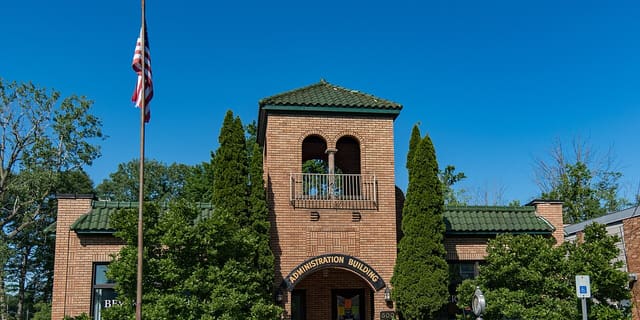 81 kmCommunity
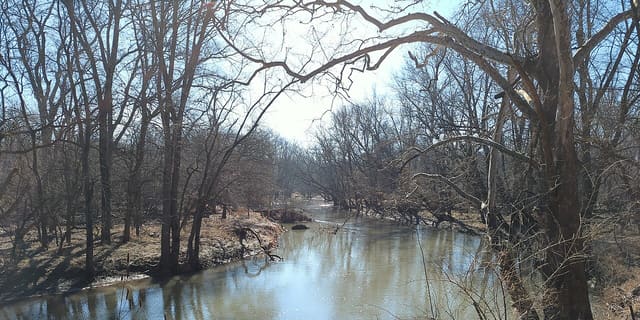 136 kmDark Sky Park
Middle Fork River Forest Preserve
park in Champaign County, Illinois, United States of America

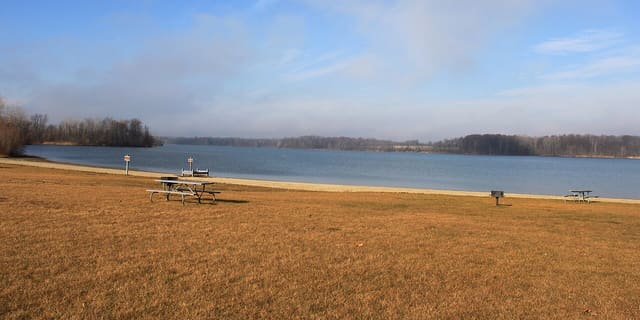 309 kmPreserve
Lake Hudson State Recreation Area
state park in Lenawee County, Michigan, United States