
Gabriela Mistral Dark Sky Sanctuary (Elqui Valley)

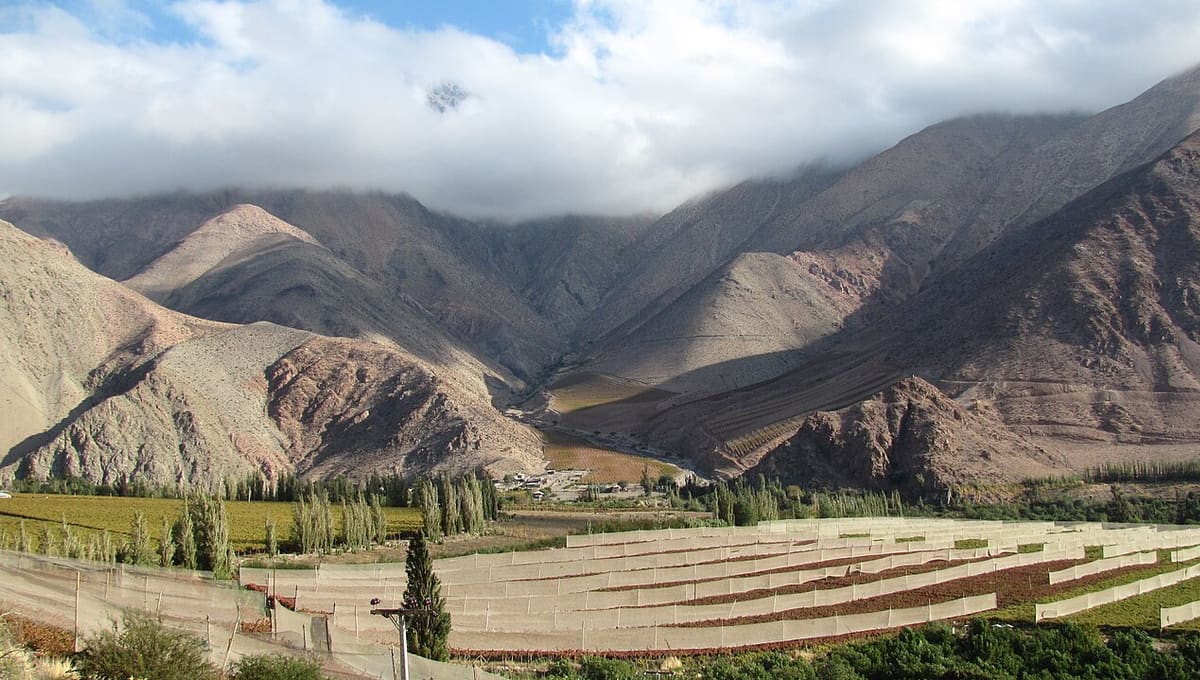
Image: Yerko Montenegro · CC BY-SA 2.0 · Wikimedia Commons
The Gabriela Mistral Dark Sky Sanctuary lies in Chile's Elqui Valley, named for the Chilean Nobel Prize-winning poet Gabriela Mistral, who grew up in the valley and whose poetry reflects its exceptional night skies. Designated in 2015 by the International Astronomical Union, it was the world's first International Dark Sky Sanctuary, covering 36,000 hectares.
Why Gabriela Mistral is a top stargazing spot
Being first mattered: when the IAU created the Dark Sky Sanctuary category to protect the darkest, most remote places on Earth, the Elqui Valley was the benchmark it chose. That reputation is backed by the region's astronomy infrastructure, home to the Cerro Tololo Inter-American Observatory, the SOAR telescope, the Gemini South 8-metre telescope, and the future Vera C. Rubin Observatory, a concentration of professional facilities found in few other places on the planet.
What you can see
The valley sees more than 300 cloudless nights a year, a product of its high altitude and very low atmospheric moisture, which together make the air exceptionally stable and transparent for observing. As a southern hemisphere site, the sky here also reveals the Magellanic Clouds, satellite galaxies of the Milky Way that never rise for observers north of the equator. Combined with minimal light pollution, all of this gives visitors dependable, high-quality views of the Milky Way and deep-sky objects on the majority of nights, which is part of why the world's largest telescopes are built here.
Visiting Gabriela Mistral Dark Sky Sanctuary at night
The Elqui Valley has a well-developed astrotourism scene built around its dark skies. Public observatories including Mamalluca, near Vicuña and a pioneer of Chilean astrotourism, along with Amatista, Pangue, Collowara and Omega, offer telescope access and expert guides, while tour operators such as Turismo Migrantes and EcoVoyager Adventures run sessions ranging from a single evening to multi-day packages that pair stargazing with horse riding, pisco tasting and Gabriela Mistral literary trails. Pisco Elqui serves as the valley's main hub for these tours. It's worth checking current visitor programmes and any public observing nights before you travel.
Best time to go
As a southern hemisphere destination, the Elqui Valley's Milky Way core season runs roughly from February through October, broadly the opposite calendar to sites north of the equator, with the galactic centre riding high overhead for much of the austral autumn and winter. Meteor shower watchers here should look for the Eta Aquariids in May and the Geminids in December, both well placed from this latitude. With over 300 clear nights a year the odds of good viewing are unusually high regardless of season, though as always a new Moon night will give you the darkest skies. Allow your eyes to adjust for at least 20 minutes and use red light only.
Getting there
The sanctuary sits inland from Chile's Coquimbo Region, with the towns of Vicuña and Pisco Elqui as the main gateways; the nearest airport is in La Serena, roughly 60 to 90 km away depending on which part of the valley you're visiting.
See your named star from here
Skies good enough to host some of the world's largest telescopes are an outstanding place to track down a star named through Star Register. Bring your certificate's coordinates and a stargazing app, browse the star catalogue beforehand, and consider visiting one of the region's professional observatories while you're there.
Conditions and access vary by season. Check Google Maps before you travel, and aim for a clear night near the new Moon for the darkest sky.
Satellite imagery: Esri, Maxar, Earthstar Geographics

 117 kmStarlight Reserve
 3,010 kmDark Sky Park
 5,817 kmSanctuary
 6,311 kmDark Sky Park
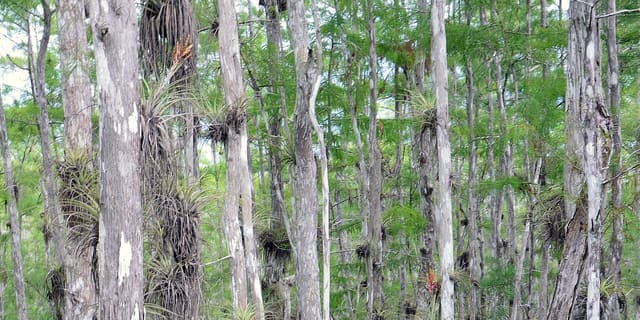
Big Cypress National Preserve
729,000-acre area in Florida (US) managed by the National Park Service