
Fountain Hills

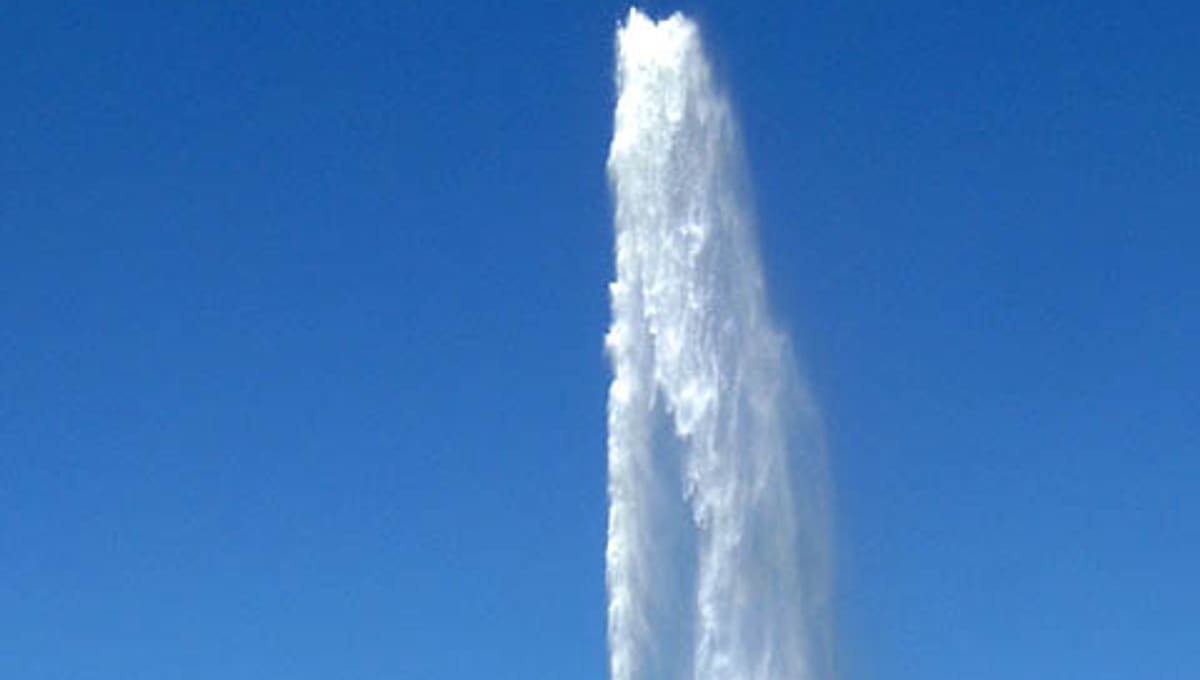
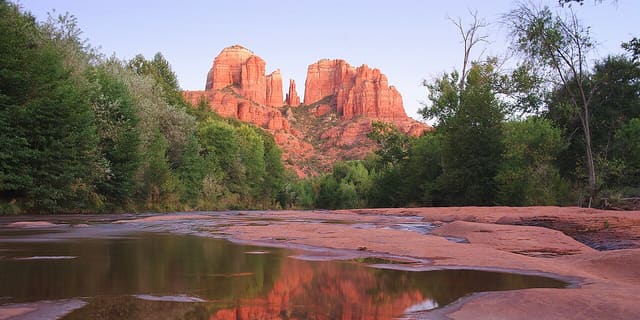
Image: Derek Cashman · CC BY-SA 3.0 · Wikimedia Commons
Fountain Hills is a town of about 50,000 people in Maricopa County, Arizona, on the eastern edge of the Phoenix metro area. It became an International Dark Sky Community on January 8, 2018, the 17th community in the world to earn the designation. The McDowell Mountains screen it from Phoenix's glow, while surrounding tribal and public lands buffer it on every other side.
Why Fountain Hills is a top stargazing spot
Fountain Hills sits in an unusually protected pocket for a town so close to a major U.S. metro area. The McDowell Mountains block light from Phoenix, the 12th largest metropolitan area in the country, to the west, while the Salt River Pima-Maricopa Indian Community to the south, McDowell Mountain Regional Park to the north, and the Fort McDowell Yavapai Nation and Tonto National Forest to the east all limit development and light spill. The town strengthened its outdoor lighting ordinance in 2016 and has kept up public education on dark-sky benefits ever since. Measured skies here sit around Bortle Class 5, moderate for a Dark Sky Community but a genuine improvement on Phoenix itself, which runs Bortle 8 to 9, and even the neighbouring community of Rio Verde, at Bortle 4, shows how much local geography and lighting policy matter this close to a big city.
What you can see
With Phoenix's light dome largely held back, Fountain Hills offers noticeably better views of the Milky Way and fainter stars than most towns its size, with occasional glimpses of the Milky Way itself despite the suburban setting, a rarity this near a major metro area. A local astronomy club with more than 600 members regularly sets up telescopes at Fountain Park, Four Peaks Park, Golden Eagle Park and Desert Vista Park for public star parties.
Visiting Fountain Hills at night
Star parties are held regularly at Fountain Park, Four Peaks Park, Golden Eagle Park and Desert Vista Park, run by the local astronomy club. Because Fountain Hills is a working town rather than a remote park, check ahead for the current schedule.
Best time to go
At a Bortle 5 site, a dark, moonless sky makes the biggest difference of all, so plan around the new Moon window if you can and give your eyes 20 to 30 minutes to adapt once you arrive. Fountain Hills sits in the northern hemisphere, so the Milky Way's core is highest and brightest from roughly March through September; outside that stretch, winter brings clearer views of Orion and the bright winter stars, helped by Arizona's typically dry, clear air. Meteor shower season adds extra reasons to look up: the Perseids peak in August, the Geminids in December and the Quadrantids in January. Bring a red flashlight rather than white to keep your night vision intact.
Getting there
Fountain Hills borders Scottsdale, the Fort McDowell Yavapai Nation and the Salt River Pima-Maricopa Indian Community on the eastern edge of the Phoenix metro area, and is reachable in well under an hour from central Phoenix or Phoenix Sky Harbor International Airport.
See your named star from here
Even this close to Phoenix, Fountain Hills' dark-sky protections mean you can pick out stars that vanish under ordinary city lighting, including one you've named. Bring your star's coordinates and a stargazing app to one of the town's parks and try to find it yourself. Not named a star yet? See our packages, search the catalogue, or browse more dark-sky observatories.
Conditions and access vary by season. Check the official website and Google Maps before you travel, and aim for a clear night near the new Moon for the darkest sky.
Satellite imagery: Esri, Maxar, Earthstar Geographics

 59 kmDark Sky Park
 107 kmCommunity
 131 kmCommunity
Village of Oak Creek
census-designated place in Yavapai County, Arizona, United States

 140 kmCommunity