
Bisei Dark Sky Community (Ibara)

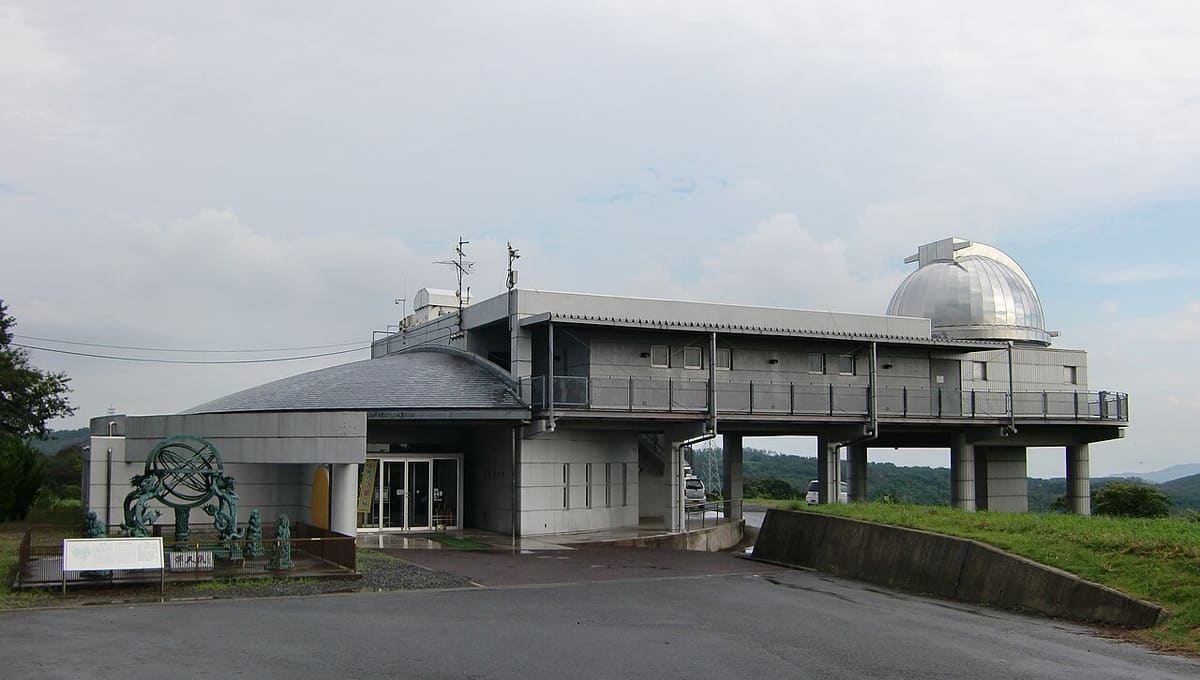
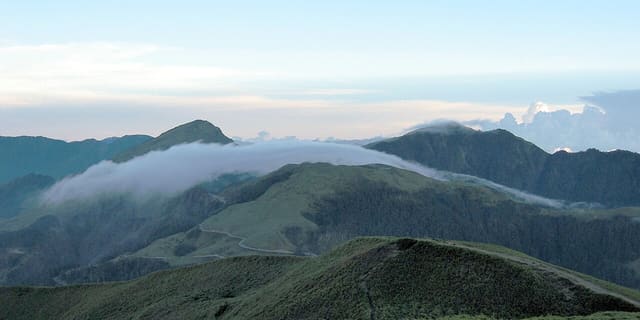
Image: SS-707 · CC BY 3.0 · Wikimedia Commons
Bisei, meaning "beautiful stars", is a former town on the Kibi Plateau in Okayama Prefecture, western Japan, now part of Ibara. In 2021 it became the first International Dark Sky Community in Asia, the culmination of decades of local effort to protect its night sky.
Why Bisei is a top stargazing spot
Bisei's dark-sky story runs deep: the town enacted one of Japan's earliest light pollution prevention ordinances, and that early commitment paved the way for its 2021 certification. In a further step, all public outdoor lighting across the community was replaced with IDA-standard, dark-sky-friendly fixtures through a partnership with Panasonic completed in 2020. The plateau setting also helps, with a high rate of clear skies and stable atmospheric conditions that have made Bisei known to Japanese astronomers for excellent viewing.
What you can see
Bisei is genuinely built around astronomy. The Bisei Astronomical Observatory houses one of Japan's largest telescopes and offers a 360-degree panoramic view of the sky, while the Bisei Space Guard Center tracks near-Earth objects and space debris from the same dark skies. At Hoshizora Park, a dedicated star-watching park, visitors can simply look up and take in the Milky Way and a night sky far removed from the glow of nearby cities.
Visiting Bisei at night
With an observatory, a space-tracking facility and a purpose-built star park all in one small community, Bisei is set up for stargazers of every level, from a casual evening walk under the stars to a guided look through a large telescope. Facilities and opening hours can vary by season, so check ahead with the observatory or local tourism information before visiting.
Best time to go
As a northern-hemisphere site, Bisei's Milky Way core season runs roughly March to September, when the galactic centre climbs higher into the evening sky. Winter nights bring Orion and the bright winter constellations instead, along with the Geminid meteor shower in December and the Quadrantids in January. Whatever the season, plan around a new Moon night, give your eyes 20 to 30 minutes to adjust to the dark, and use red light rather than white if you need a torch.
Getting there
Bisei sits on the Kibi Plateau in Okayama Prefecture, part of the wider Ibara area in western Japan. Its plateau location, set apart from the light domes of larger cities on the coast, is part of what keeps its skies clear and dark.
See your named star from here
Bisei's near-observatory-grade darkness makes it an ideal place to try to spot a named star for yourself, using its coordinates and a stargazing app to track it down among genuinely dark skies. Browse the star catalogue to name a star of your own, and see how it compares with other observatories and dark-sky sites worldwide, or read our guide on how to find a star in the night sky before you go.
Conditions and access vary by season. Check Google Maps before you travel, and aim for a clear night near the new Moon for the darkest sky.
Satellite imagery: Esri, Maxar, Earthstar Geographics

 456 kmDark Sky Park
 517 kmDark Sky Park
 1,482 kmDark Sky Park
 1,663 kmDark Sky Park