
Kozushima Dark Sky Island

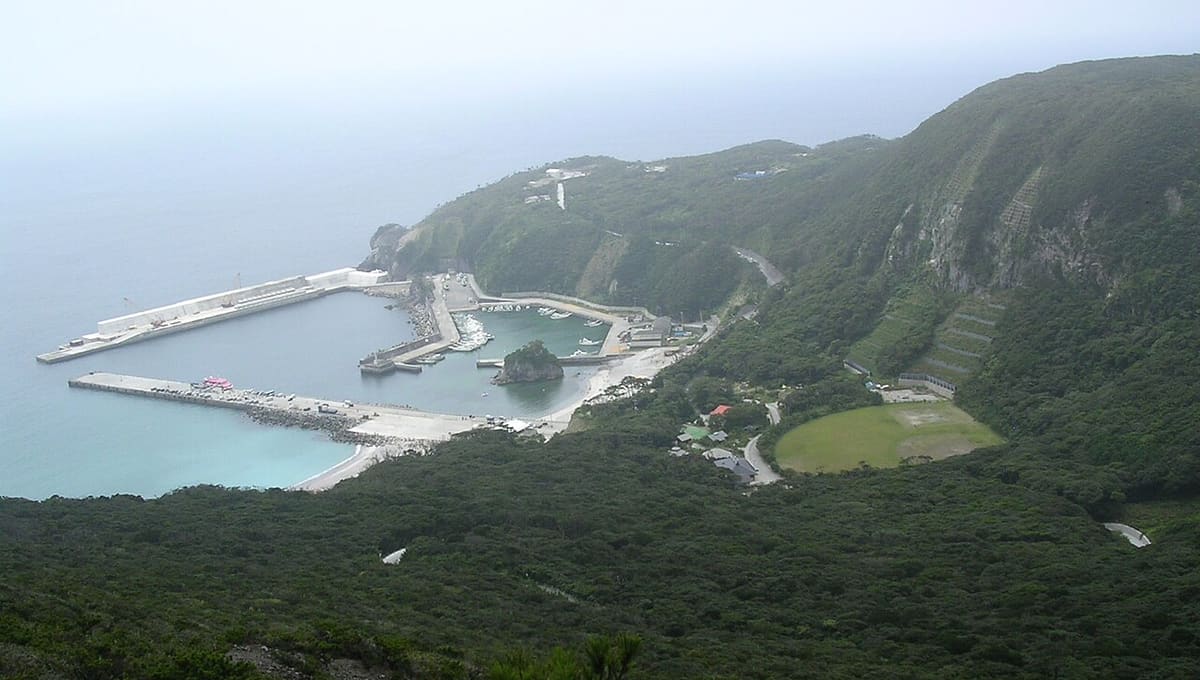
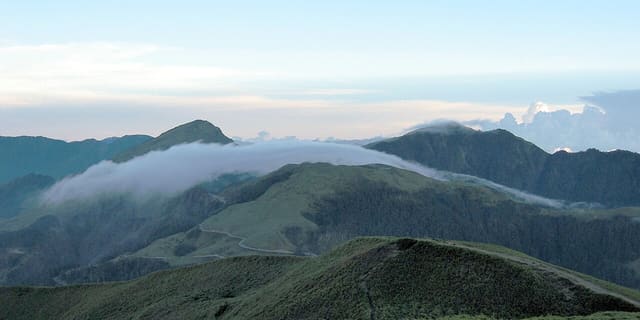
Image: Mkill · CC BY 2.5 · Wikimedia Commons
Kōzushima is a small volcanic island in the Izu archipelago, about 180 km south of central Tokyo, and it holds International Dark Sky Park status, awarded in December 2020 as only Japan's second such designation after Iriomote-Ishigaki in Okinawa. Despite sitting within Tokyo Metropolis's administrative boundary, its night sky is a world away from the capital's glow.
Why Kozushima Dark Sky Island is a top stargazing spot
To earn its International Dark Sky Park certification, the island's community retrofitted 536 streetlights and security lights with warm-toned LEDs designed to emit no light skyward, with roughly 90% of the work completed by January 2021. That commitment to shielded, low-glare lighting on a small, isolated island keeps the sky remarkably dark for a location so close to one of the world's largest cities.
What you can see
On a clear night the Milky Way arcs plainly overhead, and Kōzushima is particularly known among Japanese stargazers for offering a rare glimpse of Canopus, the second-brightest star in the night sky, which sits so low on the southern horizon that it is very difficult to see from most of mainland Japan. The island's clean sightlines to the horizon and lack of competing light make this kind of low-altitude sighting possible. Stargazing here is considered good year-round, with the seasonal Milky Way core, winter constellations and meteor showers all on offer depending on when you visit.
Visiting Kozushima Dark Sky Island at night
Two spots are recommended for stargazing: Yotane Square, a park set above the village, and the Akasaki walking path, a coastal boardwalk with open sea views. The island has car, motorcycle and bicycle rentals for getting around after dark, and local operators such as Full Earth Nature Guides run stargazing tours. Some lodging, including Vacation House Familia, offers rooftop access for guests who want to watch the sky without leaving their accommodation. As a nice side effect of the darker skies, nesting green sea turtles were reported returning to Maehama Beach in 2021.
Best time to go
Because Kōzushima sits at a mid-northern latitude, the core of the Milky Way is highest and best placed from roughly March to September, while winter months bring clearer, crisper air and constellations like Orion overhead. Whenever you go, plan around the new Moon for the darkest skies, give your eyes 20 to 30 minutes to adapt to the dark, and use a red light rather than a white torch to preserve your night vision.
Getting there
Kōzushima is reached from Tokyo by a roughly 45-minute flight from Chofu Airport, a high-speed ferry from Takeshiba terminal taking about 3 hours 45 minutes, or an overnight ferry of just under 12 hours. All three options make it a realistic dark-sky escape for anyone based in or visiting the Tokyo area.
See your named star from here
A certified dark sky like Kōzushima's reveals thousands more stars than a city ever could, which makes it an ideal place to track down a star you've named through Star Register. Bring your certificate's coordinates and a stargazing app, and the same low-glare conditions that let visitors spot Canopus on the horizon can help you find your own star in the star catalogue. If you want to go further, browse nearby observatories for a guided view.
Conditions and access vary by season. Check Google Maps before you travel, and aim for a clear night near the new Moon for the darkest sky.
Satellite imagery: Esri, Maxar, Earthstar Geographics

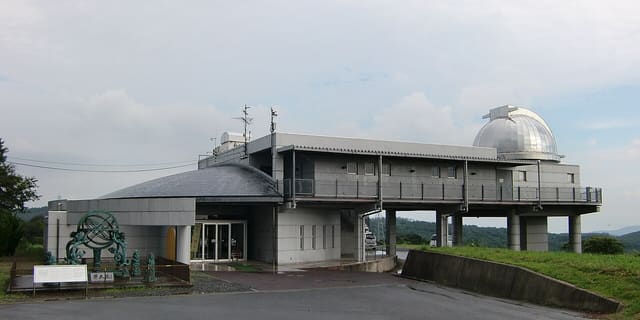 517 kmCommunity
Bisei Dark Sky Community (Ibara)
dissolved municipality in Oda district, Okayama prefecture, Japan

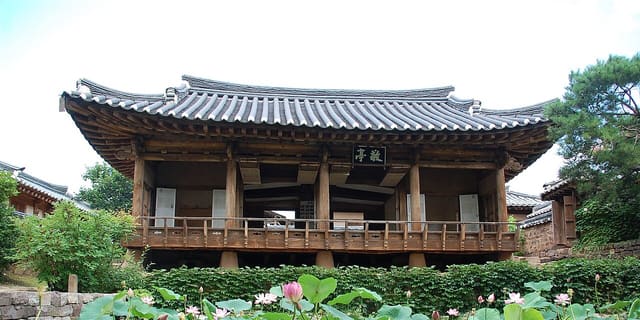 948 kmDark Sky Park
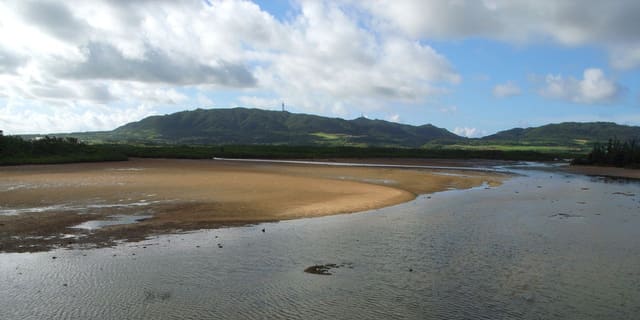 1,841 kmDark Sky Park
 2,057 kmDark Sky Park