
Woomera Observatory

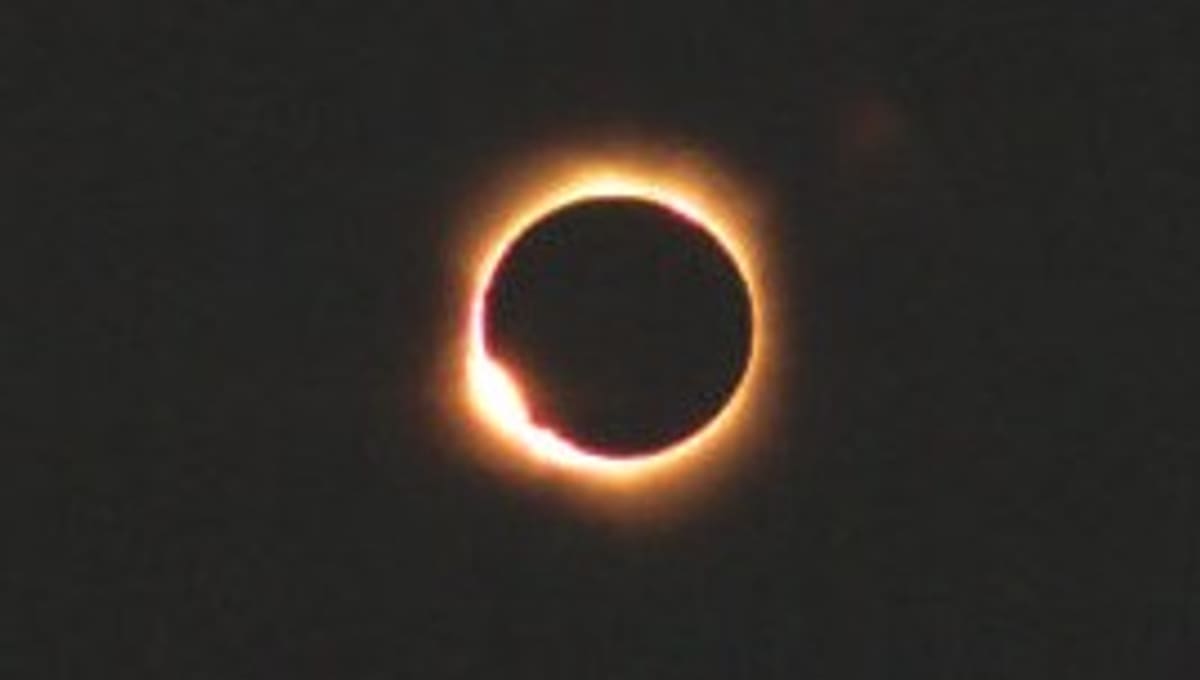
Image: Wikimedia Commons
Woomera Observatory sits under the vast, dark skies of the South Australian outback, inside the Woomera Prohibited Area roughly 450 km northwest of Adelaide.
About Woomera Observatory
Run by a dedicated group of local volunteers, Woomera Observatory has built a reputation as one of Australia's premier dark-sky viewing sites. The remote outback setting keeps light pollution to a minimum, and the region enjoys roughly 75% sunshine hours annually, reportedly 10 to 15% clearer than even the best sites in Africa.
History
The Woomera area has a notable place in Australian eclipse history: in 2002, astronomer Professor Nick Lomb photographed the total solar eclipse from the nearby Woomera Rocket Range, capturing one of the clearest records of totality seen in the country. Skywatchers in the region will get another chance to see a partial solar eclipse on 22 July 2028.
Telescopes & research
The observatory operates from a 3.5-metre fibreglass dome, home to a telescope installed in March 2020. Volunteers maintain the equipment and share the outback's exceptionally clear, dry air with visiting stargazers.
Location & getting there
Woomera Observatory lies within the Woomera Prohibited Area in South Australia's outback, a region famous for wide-open horizons and minimal artificial light. Use the map and directions button on this page to plan the route from Adelaide or elsewhere in the state.
Visiting Woomera Observatory
As a volunteer-run facility, opening times can vary, so it's worth checking ahead online or with the local Woomera visitor centre before you travel out to the observatory.
See your named star from here
With such clear outback air, Woomera Observatory is an excellent place to try spotting a star named through our star-naming packages, just bring the coordinates. Browse the catalogue to see stars already named by our customers.
Opening hours and public-visit programs vary by season. Check Google Maps for current times before you travel.
Institutional and reference sources used to verify this guide.
Satellite imagery: Esri, Maxar, Earthstar Geographics

 1,056 km
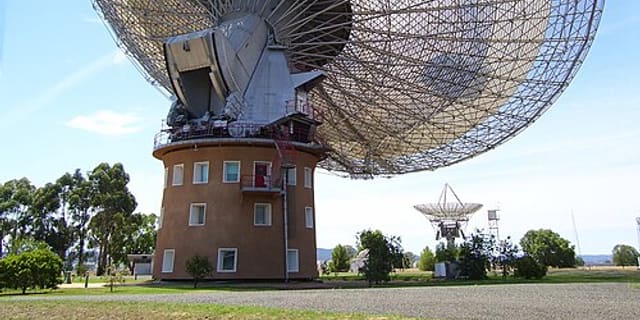 1,098 kmRadio
Parkes Observatory
radio telescope observatory, located 20 kilometres north of the town of Parkes, New South Wales, Australia

 1,164 km