
Skinakas Observatory

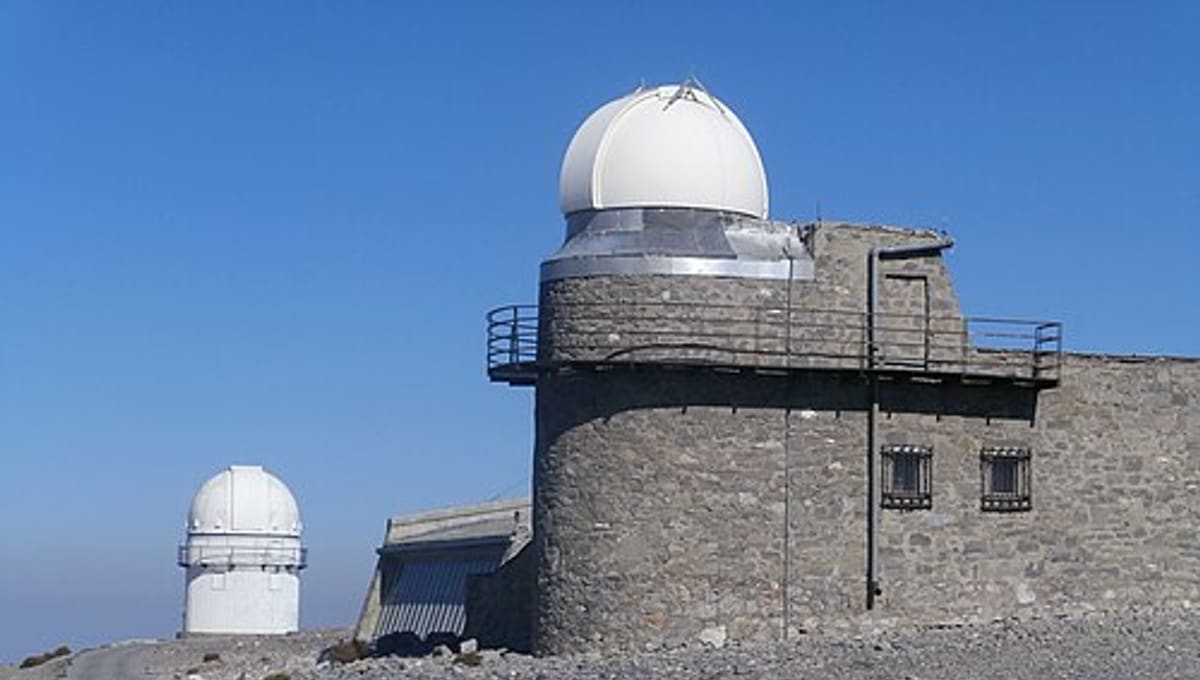
Image: Wikimedia Commons
On the summit of Psiloritis, Crete's highest mountain, Skinakas Observatory looks out over the Aegean from one of the highest points on the island. Reached by the highest paved road in Crete, it's both a working research site and a striking destination in its own right.
About Skinakas Observatory
Skinakas Observatory is operated jointly by the University of Crete and the Foundation for Research & Technology – Hellas. It houses four telescopes: a 1.3 metre modified Ritchey–Chrétien, a 1 metre Ritchey–Chrétien, a 0.6 metre Cassegrain, and a 0.3 metre Schmidt–Cassegrain, giving it a broad range of instruments for different kinds of observation.
History
The observatory was founded in 1984, and has since grown into one of Greece's most active astronomical research sites, drawing on Crete's clear mountain skies far from urban light pollution.
Location & getting there
Skinakas sits at 1,750 metres elevation on the peak of Psiloritis in central Crete, accessible via the island's highest paved road. The altitude and remoteness give it notably dark, stable skies for observation.
Visiting Skinakas Observatory
Check the observatory's official website at skinakas.physics.uoc.gr for current visiting arrangements, as access to the mountaintop site and any public viewing nights can depend on weather and season.
See your named star from here
With four telescopes trained on the sky above Crete, Skinakas is exactly the kind of site that could locate a named star's coordinates on a clear night. Name a star of your own, or explore the catalogue of stars already named by others.
Opening hours and public-visit programs vary by season. Check the official website and Google Maps for current times before you travel.
Institutional and reference sources used to verify this guide.
Satellite imagery: Esri, Maxar, Earthstar Geographics

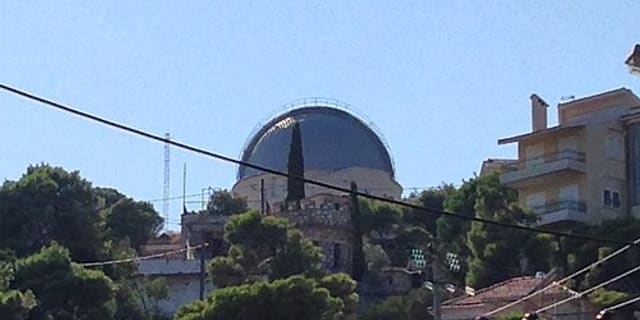 329 kmResearch
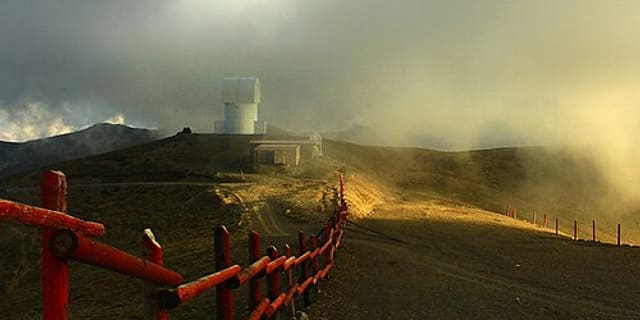 391 km
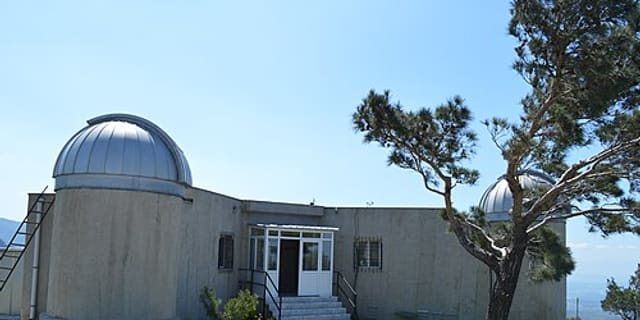 412 kmResearch