
Rabaul Volcanological Observatory

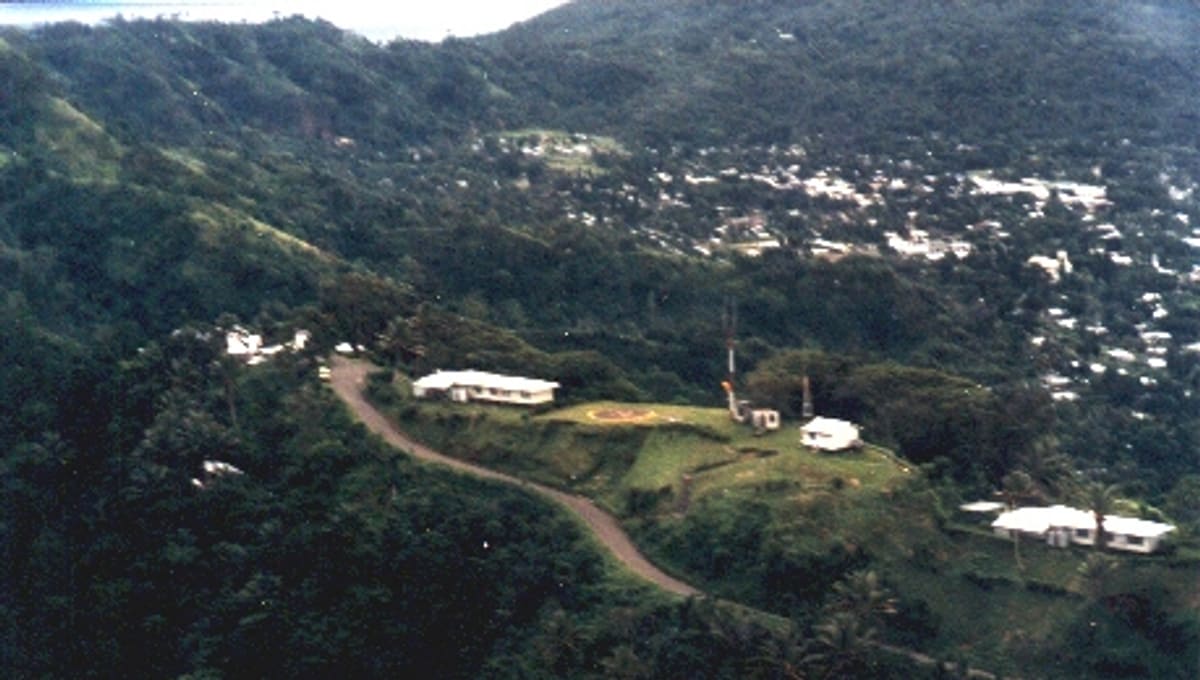
Image: Wikimedia Commons
Rabaul Volcanological Observatory is a scientific institution in Rabaul, Papua New Guinea, dedicated to monitoring some of the most active volcanoes in the Pacific.
About Rabaul Volcanological Observatory
The observatory operates as a branch of the Geological Survey of Papua New Guinea under the Department of Mining and Petroleum. It monitors 14 active and 23 dormant volcanoes spread across three volcanic arcs, with its main site at Rabaul supported by outstations at Ulawun, Langila, Manam, Karkar, and Esa'Ala.
History
Rabaul Volcanological Observatory was established in 1940, three years after the destructive 1937 eruption of Tavurvur made clear the need for organised volcanic monitoring in the region. Its network expanded further after the disastrous 1951 eruption of Mount Lamington.
Telescopes & research
The observatory's work spans volcano monitoring, geologic reconnaissance, tephrastratigraphic studies, and volcanic hazard assessment, alongside issuing eruption warnings. Its impact has been striking: annual deaths from volcanic eruptions in the region fell from roughly 3,000 in 1951 to just one in 2005, a result largely credited to the observatory's monitoring and warning efforts.
Location & getting there
The observatory is located in Rabaul, in the Oceania region of Papua New Guinea, an area shaped by the very volcanic activity it studies. Use the map and directions on this page to find the site.
Visiting Rabaul Volcanological Observatory
As a scientific monitoring institution, Rabaul Volcanological Observatory is not primarily set up as a public visitor attraction. Check official sources before planning a visit to confirm current access.
See your named star from here
While Rabaul Volcanological Observatory's expertise lies in watching the ground rather than the sky, its site under the clear equatorial skies of Papua New Guinea is still a striking place from which to think about a named star's coordinates. Name a star, or browse the star catalogue.
Opening hours and public-visit programs vary by season. Check Google Maps for current times before you travel.
Institutional and reference sources used to verify this guide.
Satellite imagery: Esri, Maxar, Earthstar Geographics

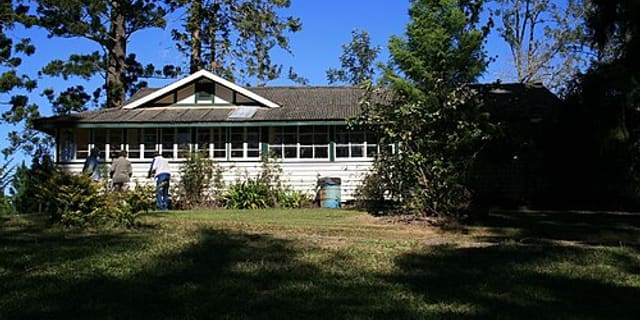 2,516 km
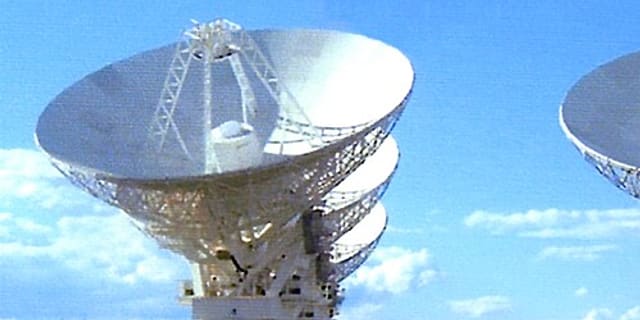 2,918 km
Australia Telescope National Facility
radio astronomy observatories of the Commonwealth Scientific and Industrial Research Organisation