
Qingdao Observatory

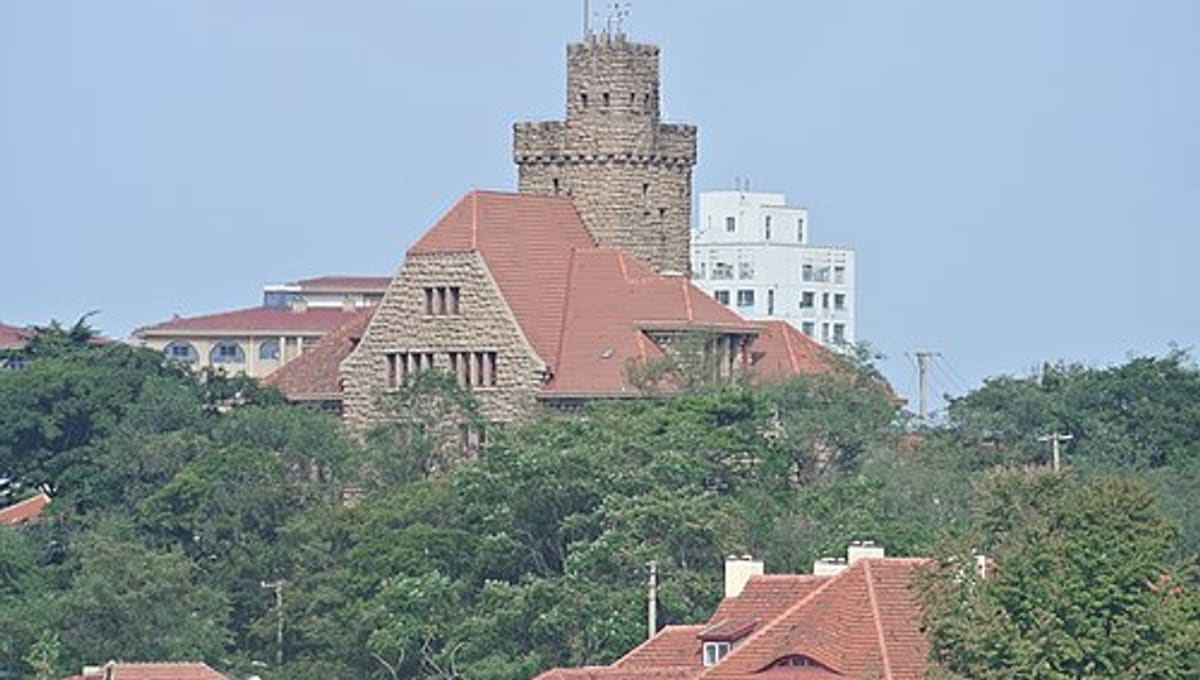
Image: Wikimedia Commons
On the summit of Guanxiang Mountain in Qingdao, China, a century-old observatory building looks out over the city it once helped chart, now remembered as one of the "Three Observatories of the Far East."
About Qingdao Observatory
Qingdao Observatory stands on the summit of Guanxiang Mountain in the Shinan District of Qingdao, China. Its building complex dates from 1905 and forms part of the Qingdao German Building Complex, a nationally protected cultural relics site.
History
Once an important scientific research institute, Qingdao Observatory played a significant role in the development of modern meteorology and marine science in China. Together with Shanghai's Xujiahui Observatory and the Hong Kong Observatory, it was once known as one of the "Three Observatories of the Far East." Today the site is listed among Qingdao's "Top Ten Scenic Spots" as the "Meteorology Observation Dome."
Telescopes & research
The observatory building complex is now under the joint stewardship of the North Sea Fleet of the People's Liberation Army Navy and the Zijinshan Observatory of the Chinese Academy of Sciences, reflecting its shift from active research site to heritage and institutional use.
Location & getting there
Qingdao Observatory sits atop Guanxiang Mountain in Shinan District, central Qingdao, on China's Shandong coast, with views over the historic German-era quarter of the city below.
Visiting Qingdao Observatory
As a listed scenic spot within Qingdao's protected German Building Complex, the observatory building is a recognised local attraction; check current visiting arrangements locally before planning a trip.
See your named star from here
Long before satellite navigation, observatories like this one calculated positions in the sky using exactly the kind of coordinates, right ascension and declination, that come with a Star Register certificate. If a visit is arranged, bring those numbers along. Browse our naming packages or search the catalogue.
Opening hours and public-visit programs vary by season. Check Google Maps for current times before you travel.
Institutional and reference sources used to verify this guide.
Satellite imagery: Esri, Maxar, Earthstar Geographics

 466 km
 537 km
Beijing Astronomical Observatory
post-Communist revolution observatory

 546 km