
Pisgah Astronomical Research Institute

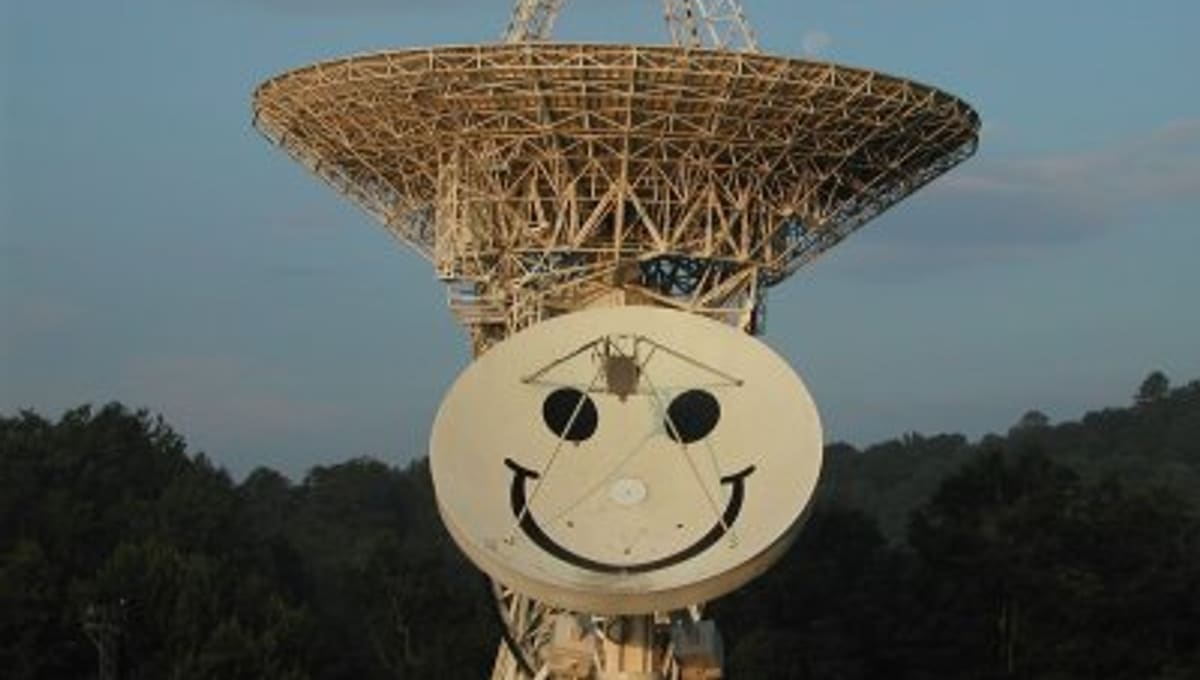
Image: Wikipedia
Pisgah Astronomical Research Institute, known as PARI, occupies the site of a former NASA satellite tracking station deep in the Pisgah National Forest near Balsam Grove, North Carolina.
About Pisgah Astronomical Research Institute
PARI is a non-profit observatory founded in 1998, built on the grounds of NASA's Rosman Satellite Tracking Station, which was established in 1962. The site is affiliated with the University of North Carolina system through the Pisgah Astronomical Research and Science Educational Center (PARSEC), combining research with education.
History
Before it became PARI, the site served as a NASA satellite tracking station from 1962. In 1967, it received one of the world's first colour photographs of the full Earth taken from space. The institute took shape in 1998, repurposing the facility for astronomical research and teaching.
Telescopes & research
PARI operates multiple radio telescopes, including 26-metre, 12.2-metre and 4.6-metre dishes, alongside optical telescopes, supporting both research and educational programs. In 2020, PARI was certified as a Dark Sky Park by DarkSky International, one of only two such parks in North Carolina.
Location & getting there
The institute sits within the Pisgah National Forest near Balsam Grove, North Carolina, a remote, forested setting that helps preserve the dark skies behind its Dark Sky Park status.
Visiting Pisgah Astronomical Research Institute
PARI is open to the public by appointment. Check the official website for current visiting arrangements before making the trip out to Balsam Grove.
See your named star from here
With its large radio dishes and Dark Sky Park skies, PARI is well equipped to help locate the coordinates of a star you've named through Star Register. Look up your star's position in the star catalogue ahead of your visit.
Opening hours and public-visit programs vary by season. Check the official website and Google Maps for current times before you travel.
Institutional and reference sources used to verify this guide.
Satellite imagery: Esri, Maxar, Earthstar Geographics

 206 km