
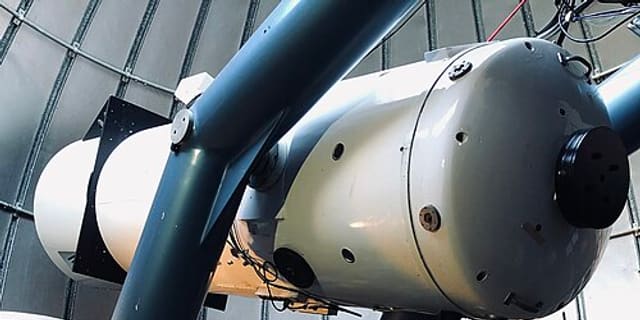
OWL-Net observatory, Mt. Lemmon

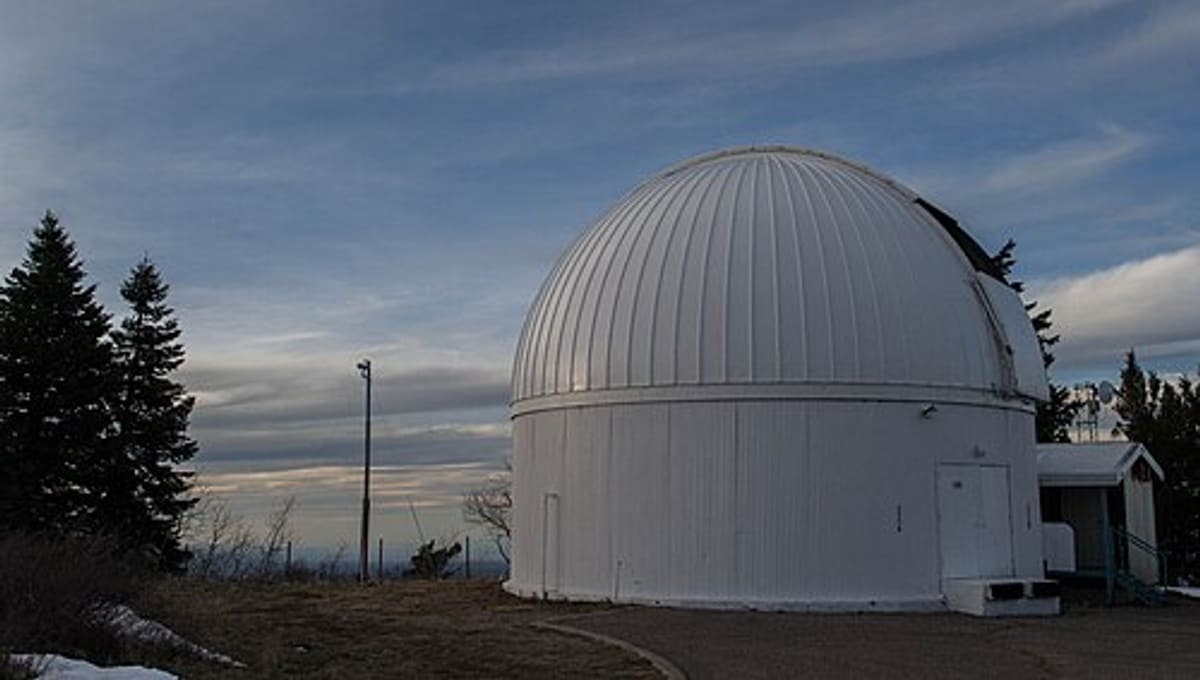
Image: Wikimedia Commons
At the 9,100-foot summit of Mount Lemmon, north of Tucson, Arizona, decades of astronomical history meet a modern satellite-tracking mission.
About Mount Lemmon Observatory
The site is operated by the University of Arizona's Steward Observatory and also hosts a station in Korea's OWL-Net satellite-tracking network, operated by the Korea Astronomy and Space Science Institute (KASI).
History
The summit was first developed in 1954 as the Mount Lemmon Air Force Station, a radar installation. It was transferred to Steward Observatory in 1970 and converted into an infrared observatory, beginning its long career as a research and, later, public outreach site.
Telescopes & research
Mount Lemmon Observatory now operates eight telescopes, including the Schulman 32-inch and the Phillips 24-inch, among the largest instruments used for public astronomy outreach in the Southwestern United States. Its OWL-Net installation adds a 0.5-metre Ritchey-Chretien telescope dedicated to tracking Korean satellites.
Location & getting there
The observatory sits atop Mount Lemmon in the Santa Catalina Mountains, in North America's Arizona high country, at an elevation of roughly 9,100 feet - well above the desert floor and Tucson's city lights. Use the map on this page for directions.
Visiting Mount Lemmon Observatory
The University of Arizona's SkyCenter program runs public visits to the site, including evening stargazing programs with its large telescopes; check the SkyCenter's official website for current tour times and tickets.
See your named star from here
With eight telescopes and some of Arizona's darkest accessible skies, Mount Lemmon is a genuinely good place to try to spot a star you have named through Star Register. Find its coordinates in the star catalogue before your visit.
Opening hours and public-visit programs vary by season. Check Google Maps for current times before you travel.
Institutional and reference sources used to verify this guide.
Satellite imagery: Esri, Maxar, Earthstar Geographics

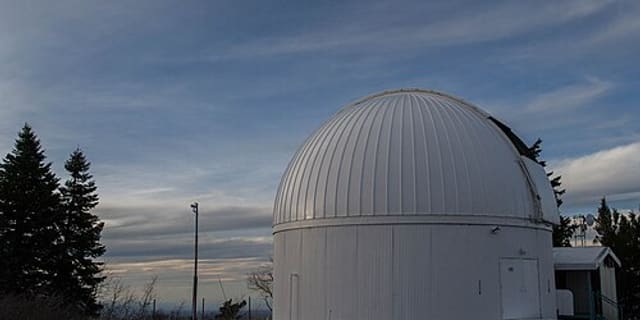 under 1 km
Catalina 40" Telescope
telescope facility in the Catalina Sky Survey, located on Mount Lemmon in Arizona, U.S.

 under 1 km
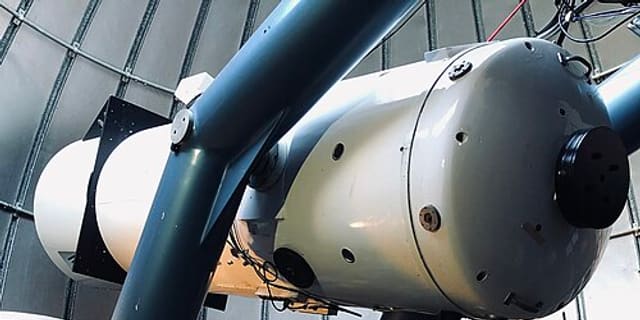 6 km
6 kmCatalina Station
astronomical observatory on Mount Bigelow in Arizona, U.S.

 6 km
6 kmMt. Bigelow Station 27" Telescope
telescope facility on Mount Bigelow in Arizona, U.S.