
Catalina Station

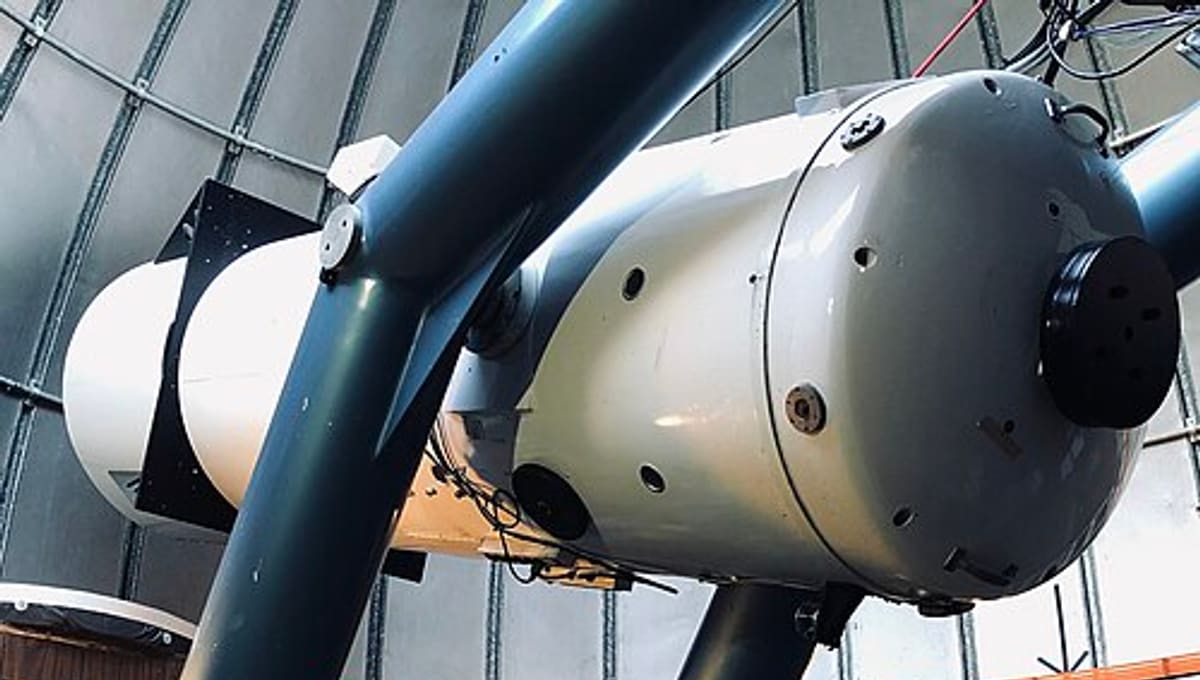
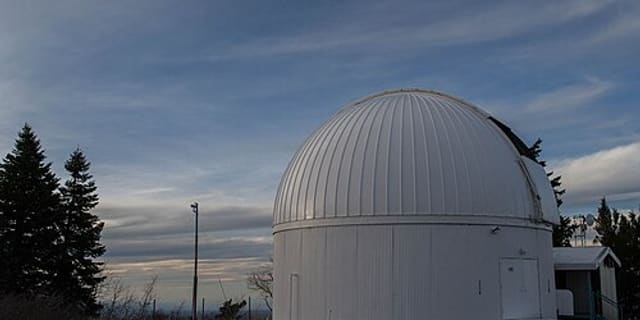
Image: Wikimedia Commons
Catalina Station, also known as Steward Observatory Catalina Station, is an astronomical observing facility on Mount Bigelow in the Santa Catalina Mountains, about 29 kilometres northeast of Tucson, Arizona, United States.
About Catalina Station
The site is operated by the Steward Observatory of the University of Arizona under special permission from the U.S. Forest Service, within the Coronado National Forest. It is one of the university's long-running mountain observing stations.
History
The site was selected in 1960 by Gerard P. Kuiper of the Lunar and Planetary Laboratory. Its first telescope, a 21-inch reflector, began operating in early 1963, launching decades of continuous astronomical work on the mountain.
Telescopes & research
Catalina Station's current instruments include the 1.54-metre Kuiper Telescope, a Cassegrain design built in 1965, and a 0.68–0.76 metre Schmidt camera installed in 1972 and overhauled in 2003. The station is part of the Catalina Sky Survey, which searches for near-Earth objects, and it also supports educational programmes including Astronomy Camp for students.
Location & getting there
Mount Bigelow's elevation and distance from Tucson's city lights give Catalina Station notably dark, steady skies for observing. Use the map above for exact coordinates and directions to the site.
Visiting Catalina Station
Access is generally tied to research and educational programmes such as Astronomy Camp rather than casual drop-in visits. Check the Steward Observatory or Catalina Sky Survey websites for current information before planning a trip.
See your named star from here
With instruments built to track near-Earth objects across the sky, Catalina Station's telescopes could just as easily be pointed at the coordinates of a named star. Name a star to get its exact position, then browse the catalogue to see it plotted in the sky.
Opening hours and public-visit programs vary by season. Check Google Maps for current times before you travel.
Institutional and reference sources used to verify this guide.
Satellite imagery: Esri, Maxar, Earthstar Geographics

 under 1 km
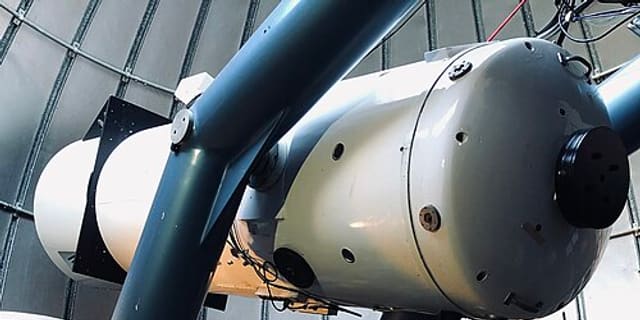
Mt. Bigelow Station 27" Telescope
telescope facility on Mount Bigelow in Arizona, U.S.

 6 km
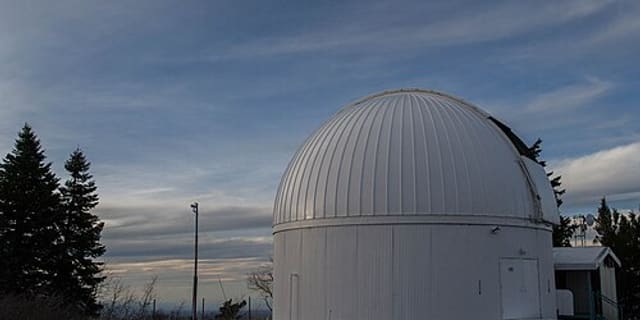
6 kmCatalina 40" Telescope
telescope facility in the Catalina Sky Survey, located on Mount Lemmon in Arizona, U.S.

 6 km
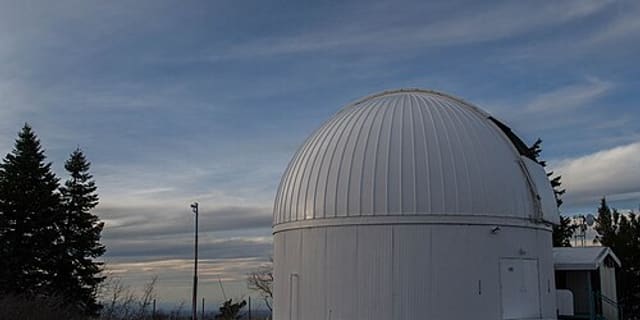
6 kmOWL-Net observatory, Mt. Lemmon
astronomical observatory in Arizona, United States

 6 km
6 km