
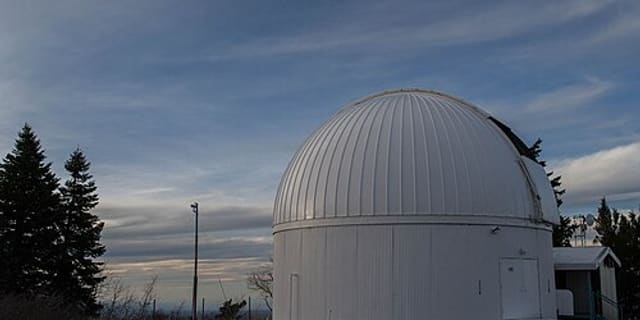
Mt. Bigelow Station 27" Telescope

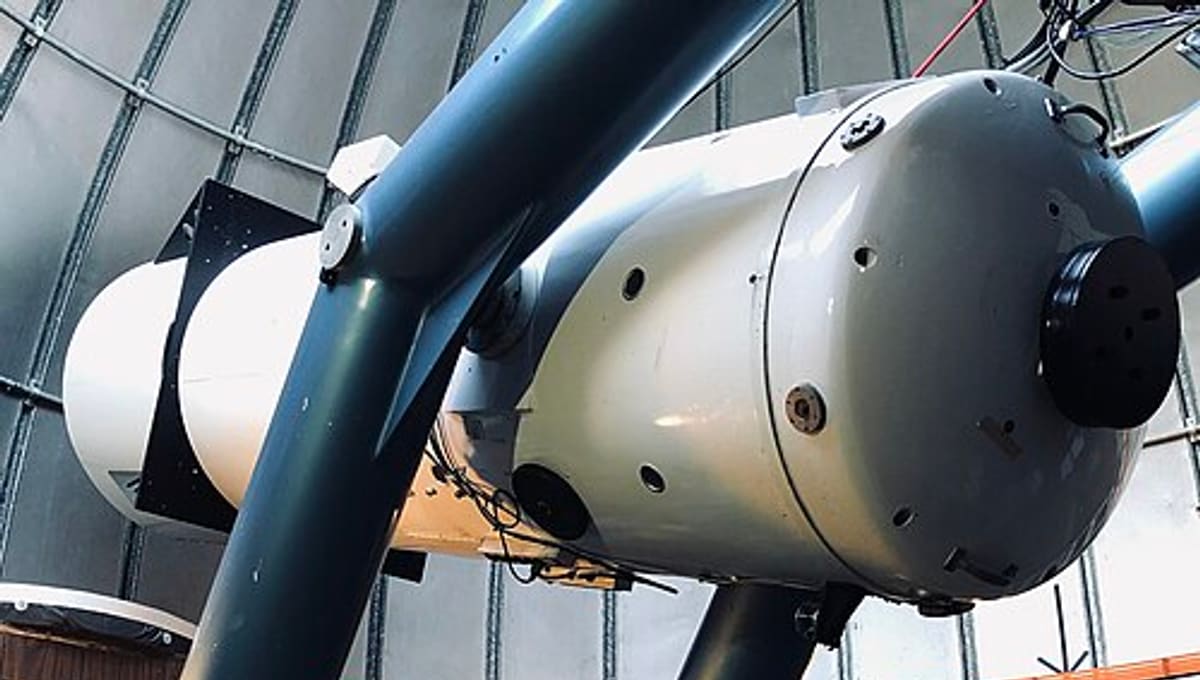
Image: Wikimedia Commons
On Mount Bigelow in Arizona's Santa Catalina Mountains, the Station 27" Telescope has spent decades scanning the sky for asteroids as part of the Catalina Sky Survey.
About Mt. Bigelow Station 27" Telescope
This facility houses a 0.7-metre (27-inch) Schmidt telescope operating at f/1.7, run by the University of Arizona's Catalina Sky Survey. Rather than searching for named stars, its job is to sweep wide areas of sky each clear night looking for near-Earth objects that might otherwise go undetected.
History
The Catalina Sky Survey began operating from Mount Bigelow in 1998, established by Steve Larson, Tim Spahr and Carl Hergenrother. Since 2005 it has been the most prolific near-Earth object discovery program in the world, and the 27-inch telescope has contributed to a combined survey total of more than 25,000 minor planet discoveries.
Telescopes & research
The 27-inch Schmidt telescope's fast f/1.7 optics feed a 111-megapixel CCD camera at prime focus, a combination built for covering large swaths of sky quickly rather than pinpoint imaging - exactly what asteroid-hunting requires: catching faint, moving objects across wide fields night after night.
Location & getting there
The telescope sits on Mount Bigelow in the Santa Catalina Mountains north of Tucson, Arizona, part of a cluster of research facilities that take advantage of the range's dark, high-altitude skies.
Visiting Mt. Bigelow Station 27" Telescope
This is a working research facility rather than a public visitor centre, so access is limited. Anyone interested in touring the Santa Catalina Mountains' observatory sites should check with the University of Arizona or Catalina Sky Survey directly before planning a visit.
See your named star from here
The 27-inch telescope is tuned for asteroid surveys rather than viewing individual stars, but the same Santa Catalina dark skies that make Mount Bigelow valuable for research also make it a superb place to look up. Find your named star's exact coordinates in the catalogue and use them with your own telescope or a stargazing app, or start a naming through our packages.
Opening hours and public-visit programs vary by season. Check Google Maps for current times before you travel.
Institutional and reference sources used to verify this guide.
Satellite imagery: Esri, Maxar, Earthstar Geographics

 under 1 km
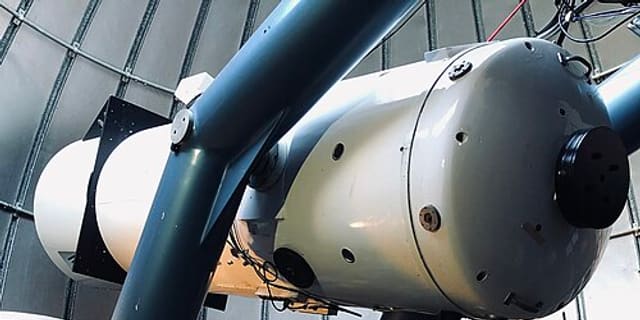
Catalina Station
astronomical observatory on Mount Bigelow in Arizona, U.S.

 6 km
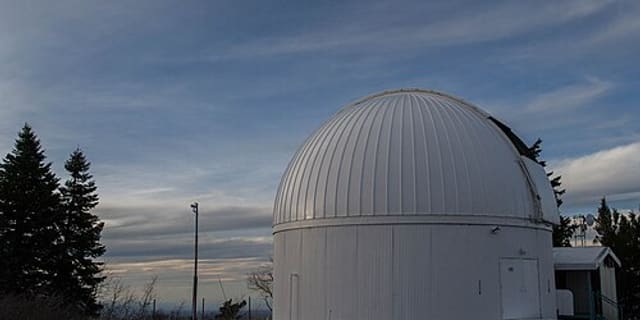
6 kmCatalina 40" Telescope
telescope facility in the Catalina Sky Survey, located on Mount Lemmon in Arizona, U.S.

 6 km
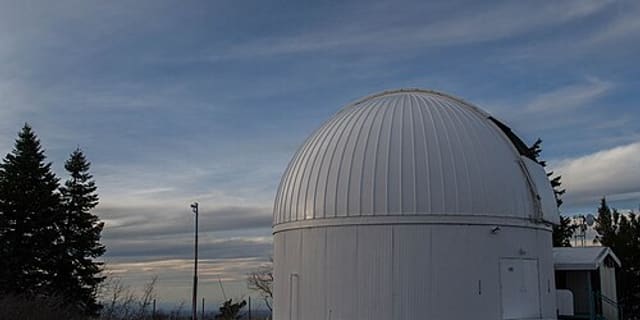
6 kmOWL-Net observatory, Mt. Lemmon
astronomical observatory in Arizona, United States

 6 km
6 km