
Observatory Khureltogoo

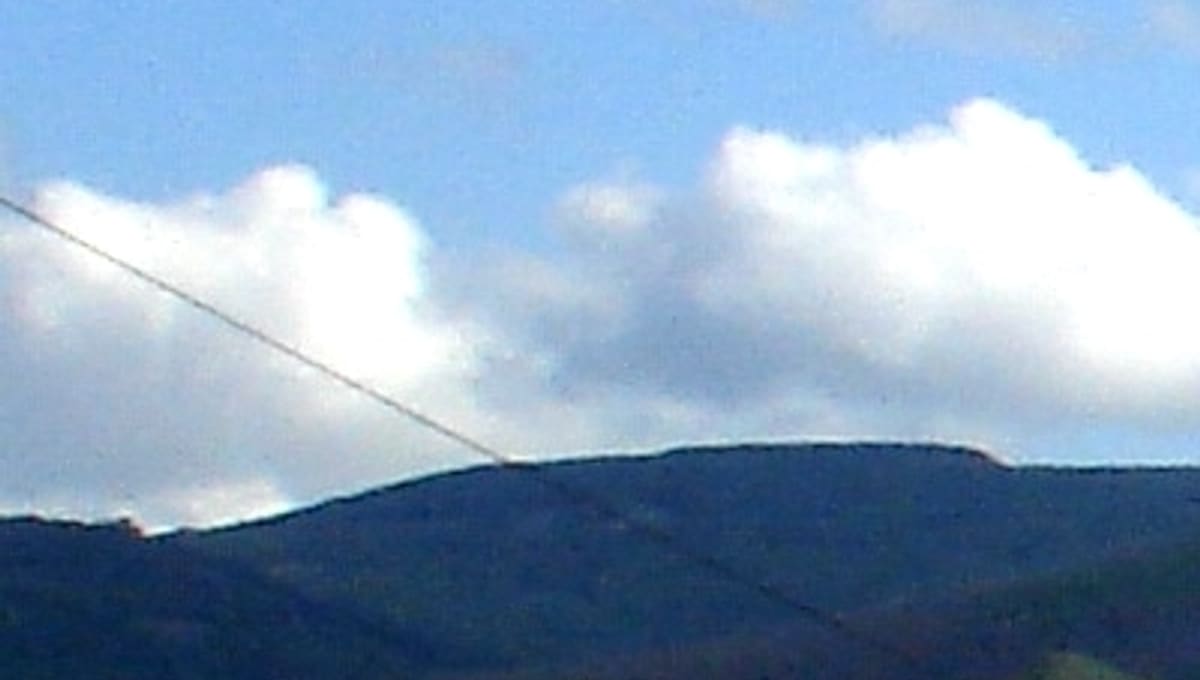
Image: Wikimedia Commons
Perched on Bogd Khan Mountain above Ulaanbaatar, Observatory Khureltogoo (also known as the Khurel Togoot Astronomical Observatory) has been a center of Mongolian astronomy for decades, watching the sky from 1,620 metres of elevation.
About Observatory Khureltogoo
Observatory Khureltogoo stands in Bayanzürkh district on the slopes of Bogd Khan Mountain, overlooking Ulaanbaatar. It now operates as part of the Research Centre of Astronomy and Geophysics under the Mongolian Academy of Sciences, with a research focus spanning astrophysics, astrometry, and satellite geodesy.
History
The observatory's main buildings were constructed in 1957, and it was folded into the Mongolian Academy of Sciences' Research Centre of Astronomy and Geophysics in 1996. It has welcomed public visitors since 2013, opening a long-running scientific site to a wider audience.
Telescopes & research
Researchers at the observatory work across astrophysics, astrometry, and satellite geodesy, combining sky observation with geophysical measurement, a natural fit for a facility built on a mountain overlooking the Mongolian capital.
Location & getting there
The observatory's mountain-top position, at roughly 1,620 metres above sea level on Bogd Khan Mountain, gives it clear views over Ulaanbaatar and the surrounding valley. As it sits within easy reach of the capital, it is one of the more accessible high-altitude observatories in the region, though visitors should confirm current opening arrangements with the operating institute before travelling.
Visiting Observatory Khureltogoo
The site has been open to public visitors since 2013. Because opening hours and tour arrangements can change, it is worth checking with the Research Centre of Astronomy and Geophysics or the observatory's website ahead of a visit.
See your named star from here
With decades of astrometry experience on-site, staff and enthusiasts at Observatory Khureltogoo work daily with the kind of sky coordinates used to catalogue stars. If you name a star with Star Register, its right ascension and declination can guide a telescope here just as easily as anywhere else, and you can explore existing entries in our catalogue.
Opening hours and public-visit programs vary by season. Check the official website and Google Maps for current times before you travel.
Institutional and reference sources used to verify this guide.
Satellite imagery: Esri, Maxar, Earthstar Geographics

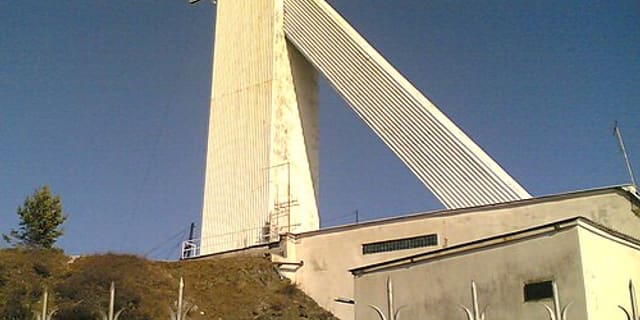 469 km
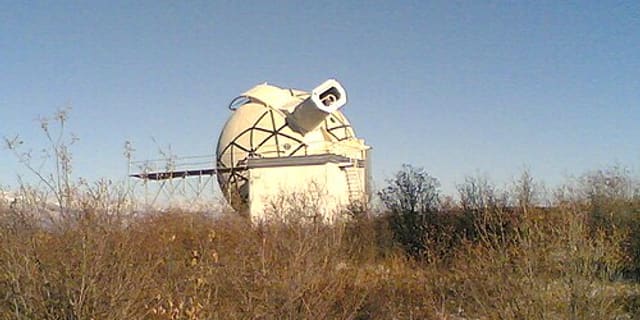 607 kmSolar