
Observatory At South Wing, St Ibbs, 90 Metres To West South West Of House
Satellite imagery: Esri, Maxar, Earthstar Geographics
The Observatory at South Wing, St Ibbs is a small early-19th-century observatory near St Ippolyts in North Hertfordshire, England, built in 1801 for the astronomer Reverend William Lax. Now a Grade II listed structure, it's one of the more unusual survivors of Georgian amateur astronomy.
About the Observatory
The observatory is a small circular structure, standing about 3 metres of brickwork topped by a 1-metre timber cowl fitted with windows at the cardinal points, with a rotating dome cap for observation. It was built in 1801 for Reverend William Lax, a mathematician and astronomer who held the living of Ippollitts until his death in 1836.
History
Some of the materials used in its construction were reused from an earlier observatory dismantled at Trinity College, Cambridge, in 1797 - linking this small Hertfordshire building directly to one of England's great university observatories. It is now Grade II listed in recognition of its historic and architectural interest.
Location & getting there
The observatory stands at St Ibbs, near St Ippolyts, in North Hertfordshire, England, in the countryside south of the town of Hitchin.
Visiting the Observatory
As a listed structure on private grounds, the observatory is not a general public attraction; check locally or with heritage bodies before planning any visit.
See your named star from here
Reverend Lax used this small dome to study the sky more than two centuries ago - much the same sky in which a Star Register certificate marks out a star's exact coordinates today. Name a star or browse the catalogue to find yours.
Opening hours and public-visit programs vary by season. Check Google Maps for current times before you travel.
Institutional and reference sources used to verify this guide.
Satellite imagery: Esri, Maxar, Earthstar Geographics

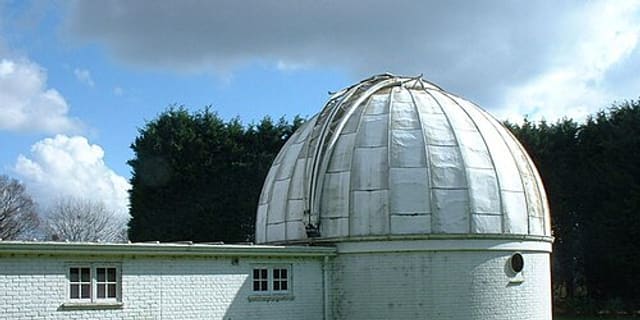 40 kmResearch
Cambridge Observatory
astronomical observatory at the University of Cambridge in the East of England

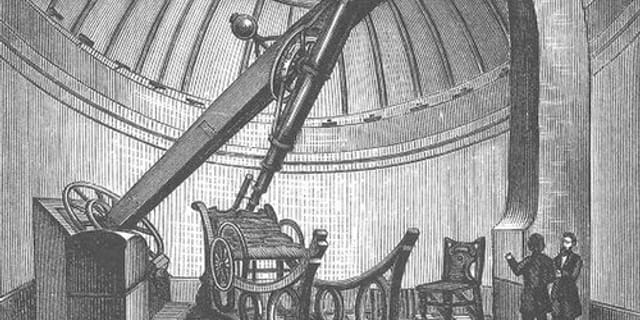 45 km
45 km
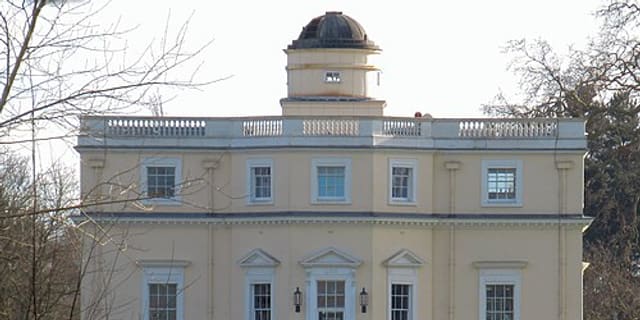 51 km
51 kmKew Observatory
Grade I listed architectural structure in London Borough of Richmond upon Thames, United Kingdom