
Observatorium Sonnblick

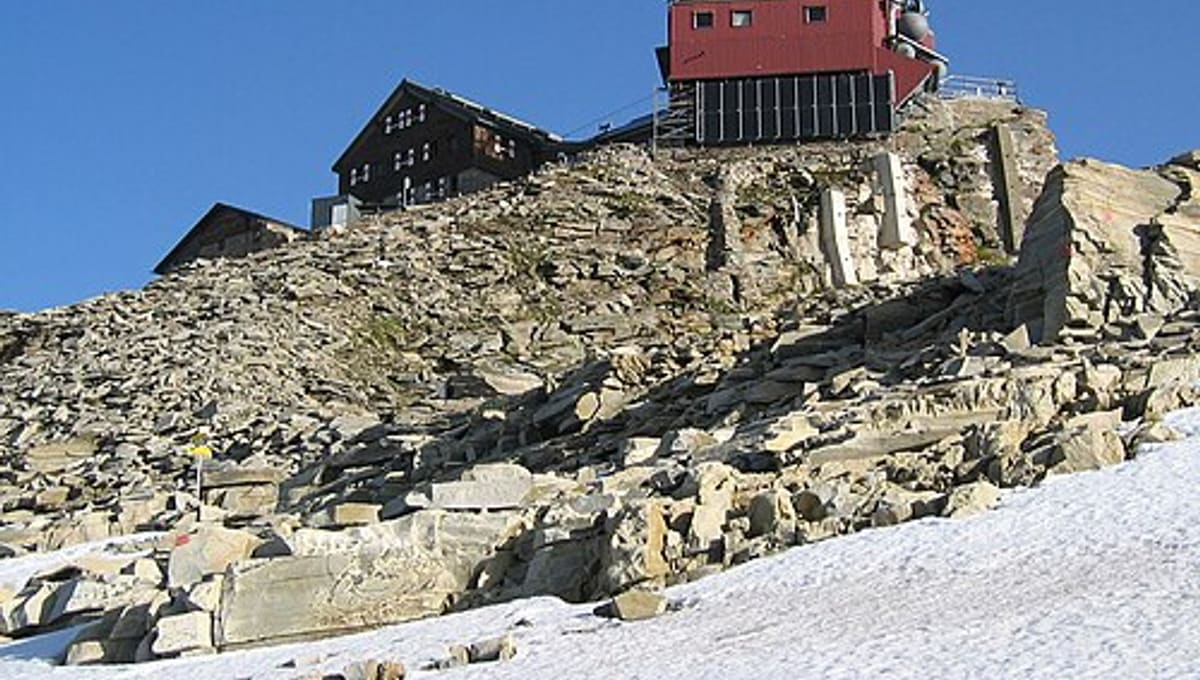
Image: Wikimedia Commons
Perched at 3,106 metres atop Hoher Sonnblick on the Salzburg–Carinthia border, Observatorium Sonnblick is the highest year-round observatory in the world. Since 1886 it has served as a high-altitude station for meteorological and climate research, run today by Austria's ZAMG.
About Observatorium Sonnblick
Sonnblick Observatory sits on the summit of Hoher Sonnblick in the Austrian Alps, on the border between Salzburg and Carinthia. At 3,106 metres, it holds the distinction of being the highest observatory in the world that is staffed and operated year-round, in all weather.
History
The observatory was founded on 2 September 1886, and has been continuously staffed ever since, making it home to one of the longest unbroken temperature records anywhere in the world - more than 130 years of daily measurements from the same high-alpine site.
Telescopes & research
Sonnblick is owned, managed and operated by ZAMG (Zentralanstalt für Meteorologie und Geodynamik), Austria's central institute for meteorology and geodynamics. Its research focuses on atmospheric, climate and environmental conditions at extreme altitude, rather than optical astronomy - making its long-running data series a valuable record for climate science.
Location & getting there
The observatory sits at 3,106 metres above sea level on Hoher Sonnblick, straddling the Salzburg and Carinthia regions of Austria, high above the tree line in the Alps.
Visiting Observatorium Sonnblick
Given its extreme altitude and alpine setting, a visit requires proper planning - check the observatory's own website for current access details, cable-car or hut information, and weather conditions before heading up.
See your named star from here
At 3,106 metres, the thin air and dark alpine skies above Sonnblick are about as good as conditions get for looking toward the coordinates of a named star. Name a star or browse the catalogue to find yours.
Opening hours and public-visit programs vary by season. Check the official website and Google Maps for current times before you travel.
Institutional and reference sources used to verify this guide.
Satellite imagery: Esri, Maxar, Earthstar Geographics

 83 kmSolar
 97 kmPublic
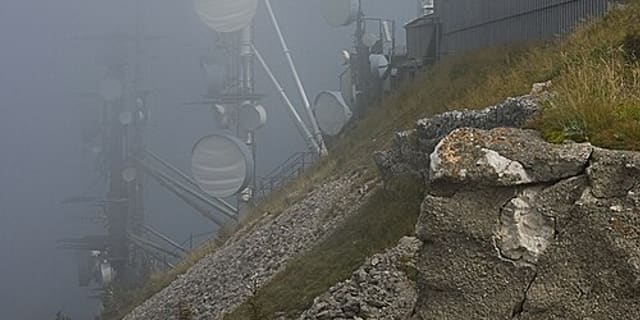
Vega-Sternwarte Salzburg
Research and public observatory in an 800 m high alpine pasture area north of the state capital, near the summit of the Haunsberg

 101 km