
Wendelstein Observatory

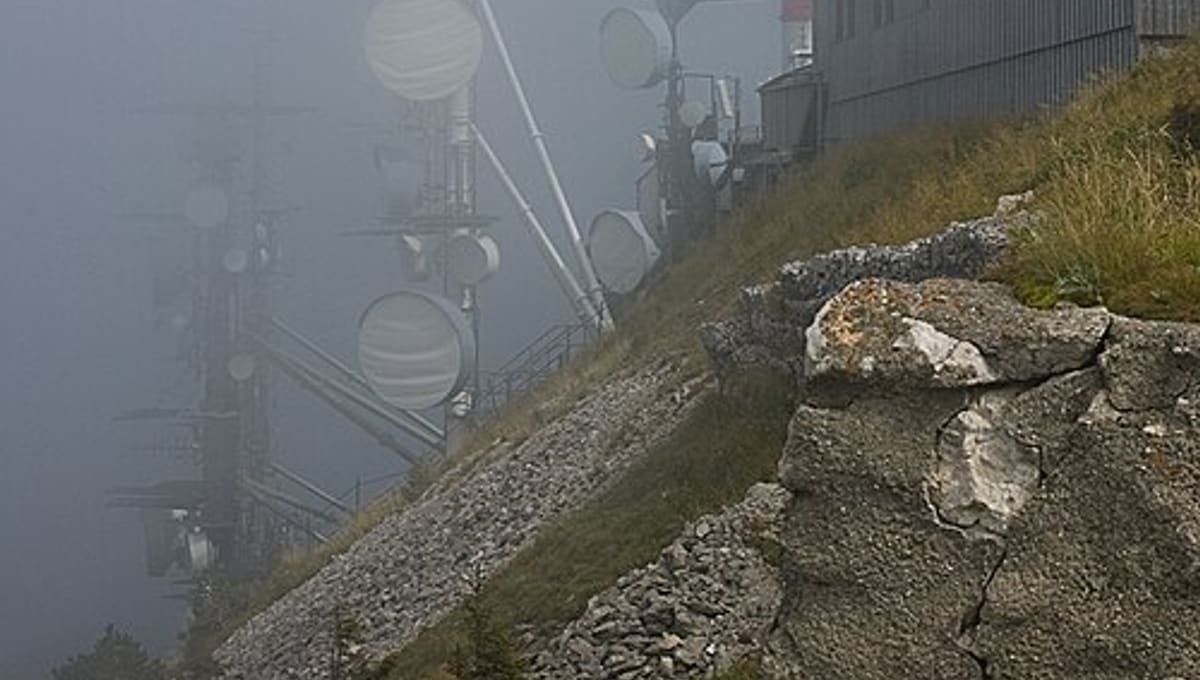
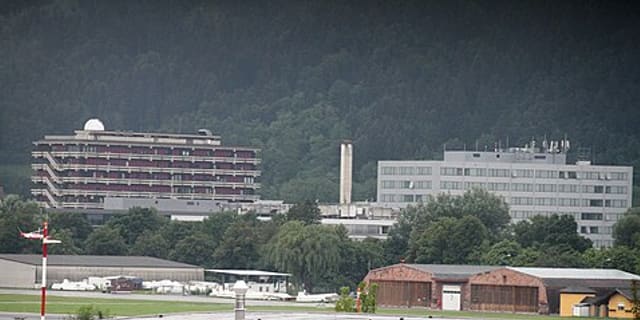
Image: Wikimedia Commons
Wendelstein Observatory sits at 1,840 metres in the Bavarian Alps, about 75 km southeast of Munich, where thin, exceptionally still air makes for some of the sharpest stargazing conditions in Germany.
About Wendelstein Observatory
Wendelstein Observatory is the University Observatory (USM) of Ludwig Maximilian University (LMU) Munich, perched on the summit of Mount Wendelstein. Its high-altitude, low-turbulence site gives it a reputation for unusually sharp images, rare among European observatories.
History
The site began in 1941 as a solar observatory, originally built for military purposes during the Second World War. LMU Munich took ownership in 1949, and by the mid-1980s the facility had been redirected from solar work toward night-time observations of stars and galaxies.
Telescopes & research
Wendelstein's instruments include a 2-metre Fraunhofer telescope, one of the larger telescopes in Germany, alongside a 20-centimetre Zeiss solar coronograph retained from its solar-observing days. Astronomers here work on exoplanet searches and dark matter studies, taking advantage of the mountain's exceptional atmospheric image sharpness.
Location & getting there
The observatory sits on Mount Wendelstein in the Bavarian Alps, roughly 75 km southeast of Munich. Its alpine summit setting is part of what makes the seeing conditions so good, though it also means the site is reached via the same mountain approaches used by visitors to the Wendelstein summit.
Visiting Wendelstein Observatory
The observatory offers public guided tours from June to September, on Fridays at 14:00 and 15:00. Because tour scheduling can change with the seasons, it's worth checking current times with the operator before you go.
See your named star from here
A 2-metre telescope like the one at Wendelstein can resolve far more of the sky than the naked eye ever could. If you've named a star with one of our star naming packages, its right ascension and declination are fixed points that any observatory, including this one, can be pointed toward. Explore more named stars in our catalogue.
Opening hours and public-visit programs vary by season. Check Google Maps for current times before you travel.
Institutional and reference sources used to verify this guide.
Satellite imagery: Esri, Maxar, Earthstar Geographics

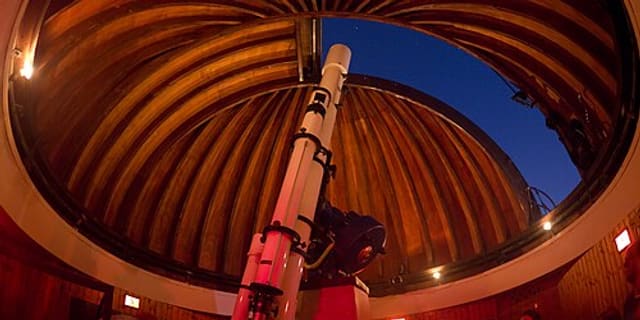 55 kmPublic
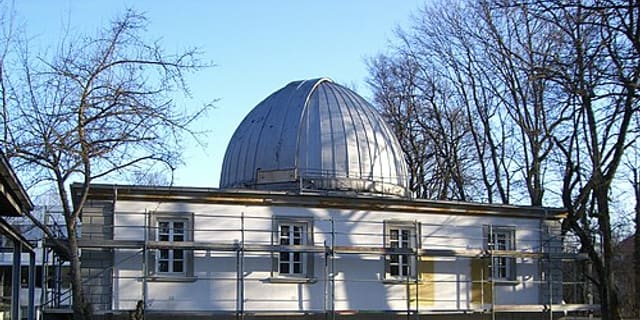 58 kmResearch
Universitäts-Sternwarte München
cultural heritage monument D-1-62-000-6129 (0) in München, Bavaria

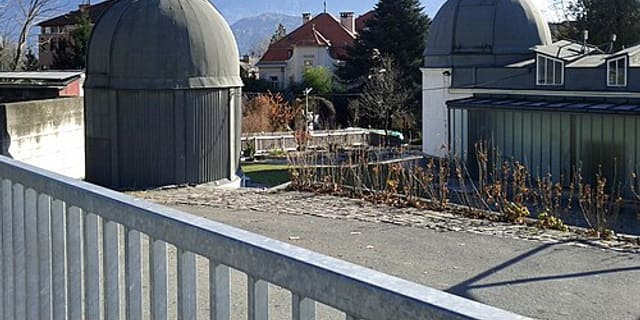 68 km
68 km
 70 kmResearch