
Nimes observatory
Satellite imagery: Esri, Maxar, Earthstar Geographics
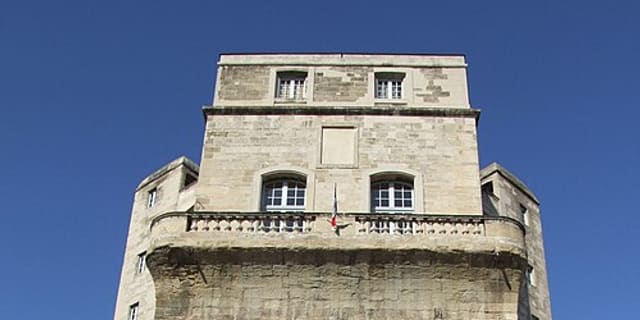
Nimes Observatory recalls a nineteenth-century chapter of French astronomy, when the city's own observatory was the site of a notable asteroid discovery.
About Nimes Observatory
The historic observatory in Nîmes was run by astronomer Benjamin Valz, whose young assistant Joseph Jean Pierre Laurent began working with him in 1835 at the age of just twelve.
History
On 22 January 1858, Laurent discovered the main-belt asteroid (51) Nemausa from Valz's observatory in Nîmes, a find that remains the site's best-known contribution to astronomy.
Location & getting there
Nîmes sits in southern France, part of Star Register's Europe listings.
Visiting Nimes Observatory
The historic observatory itself is not a present-day visitor attraction; travellers interested in the city's astronomical heritage can instead check current opening details for the modern Planetarium de Nîmes, which continues the city's astronomy tradition.
See your named star from here
The sky that once yielded an asteroid discovery from Nîmes is the same sky that holds any star named through Star Register. Search our catalogue for your star's coordinates, or start with our naming packages.
Opening hours and public-visit programs vary by season. Check Google Maps for current times before you travel.
Institutional and reference sources used to verify this guide.
Satellite imagery: Esri, Maxar, Earthstar Geographics

 47 km
47 km
 109 km