
National Institute of Geophysics and Volcanology

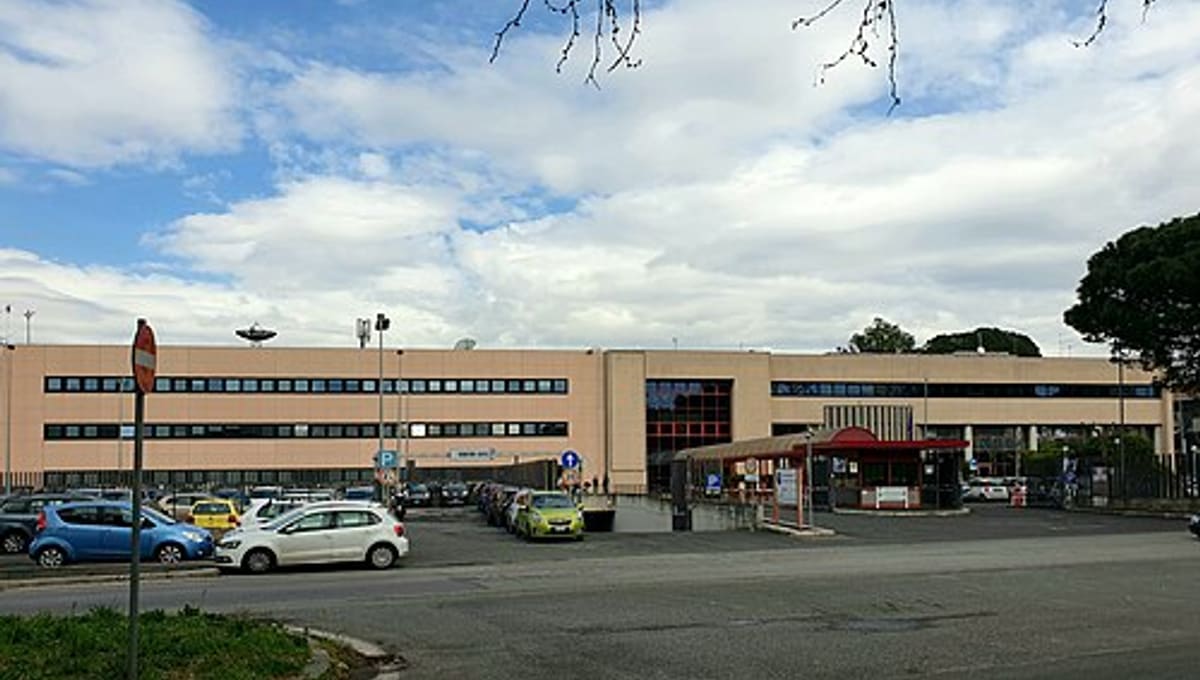
Image: Wikimedia Commons
The National Institute of Geophysics and Volcanology (INGV) is Italy's leading earth-science research body, headquartered in Rome with sections across the country from Milan to Palermo.
About the National Institute of Geophysics and Volcanology
Founded in 1999, INGV brings together roughly 2,000 researchers and staff working across three main areas: earthquakes, volcanoes and the environment. The institute runs Italy's national networks for seismic and volcanic monitoring and plays a central role in the country's civil protection system, alongside education and outreach for the public.
Research & monitoring
Beyond day-to-day seismic and volcanic surveillance, INGV coordinates European research projects such as EPOS and EMSO, contributes to the planned Einstein Telescope gravitational-wave observatory, and is regularly ranked among the top twenty research institutions in Europe by scientific output.
Location & getting there
INGV's headquarters sits in Rome, with additional sections in Milan, Bologna, Pisa, Naples, Catania and Palermo. The Rome site is easily reached within the city and makes a logical stop for anyone exploring Italy's scientific institutions alongside its more traditional astronomical observatories.
Visiting
INGV is a working research institute rather than a public viewing site, so opening hours and access for visitors vary by department and event. Check the official website before planning a visit, as public days and open evenings are announced separately from routine operations.
See your named star from here
A star named through Star Register comes with precise coordinates that any telescope, anywhere, can be pointed at. While INGV itself focuses on the Earth rather than the sky, its home city of Rome is a good starting point for tracking down a nearby public observatory that can help you find your star. Browse the full star catalogue or see our naming packages to get started.
Opening hours and public-visit programs vary by season. Check the official website and Google Maps for current times before you travel.
Institutional and reference sources used to verify this guide.
Satellite imagery: Esri, Maxar, Earthstar Geographics

 8 km
8 km
 12 km
12 km
 49 km
49 km