
Mullard Radio Astronomy Observatory

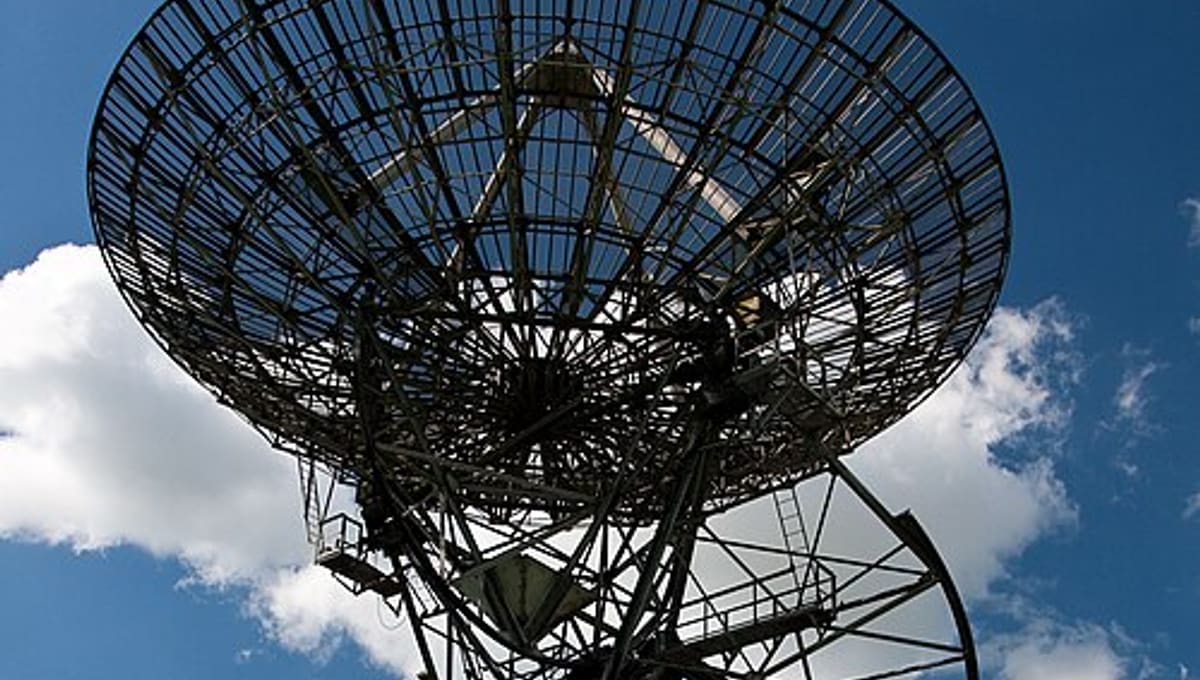
Image: Wikimedia Commons
Just outside Cambridge, England, the Mullard Radio Astronomy Observatory is home to some of the largest and most advanced radio telescopes in the world, run by the University of Cambridge.
About Mullard Radio Astronomy Observatory
The Mullard Radio Astronomy Observatory (MRAO) is part of the University of Cambridge's Cavendish Laboratory, within its Astrophysics Department. Rather than a single telescope, the site hosts an array of aperture synthesis radio telescopes, instruments that combine signals from multiple antennas to achieve a level of detail no single dish could match on its own.
Telescopes & research
MRAO's instruments include the One-Mile Telescope, the 5-km Ryle Telescope, and the Arcminute Microkelvin Imager - together placing the observatory among the world's most capable sites for aperture synthesis radio astronomy.
Location & getting there
The observatory sits just outside Cambridge, United Kingdom, on open land suited to the wide antenna arrays that radio astronomy requires.
Visiting Mullard Radio Astronomy Observatory
As a working University of Cambridge research facility, MRAO isn't a general tourist site. If you're interested in visiting or attending an open event, check with the University of Cambridge's Astrophysics Department for current access arrangements.
See your named star from here
MRAO's telescopes are tuned to radio waves rather than visible light, so they aren't built for spotting a named star by eye. If you've named a star with star-register.eu, you'll find its exact coordinates in our catalogue for use with an optical telescope or stargazing app, and you can start a new naming through our packages.
Opening hours and public-visit programs vary by season. Check Google Maps for current times before you travel.
Institutional and reference sources used to verify this guide.
Satellite imagery: Esri, Maxar, Earthstar Geographics

 7 kmResearch
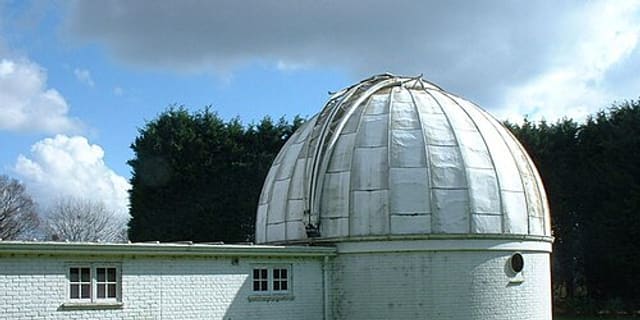
Cambridge Observatory
astronomical observatory at the University of Cambridge in the East of England
Observatory At South Wing, St Ibbs, 90 Metres To West South West Of House
observatory in St. Ippolyts, North Hertfordshire, England, UK