
Man Singh Observatory

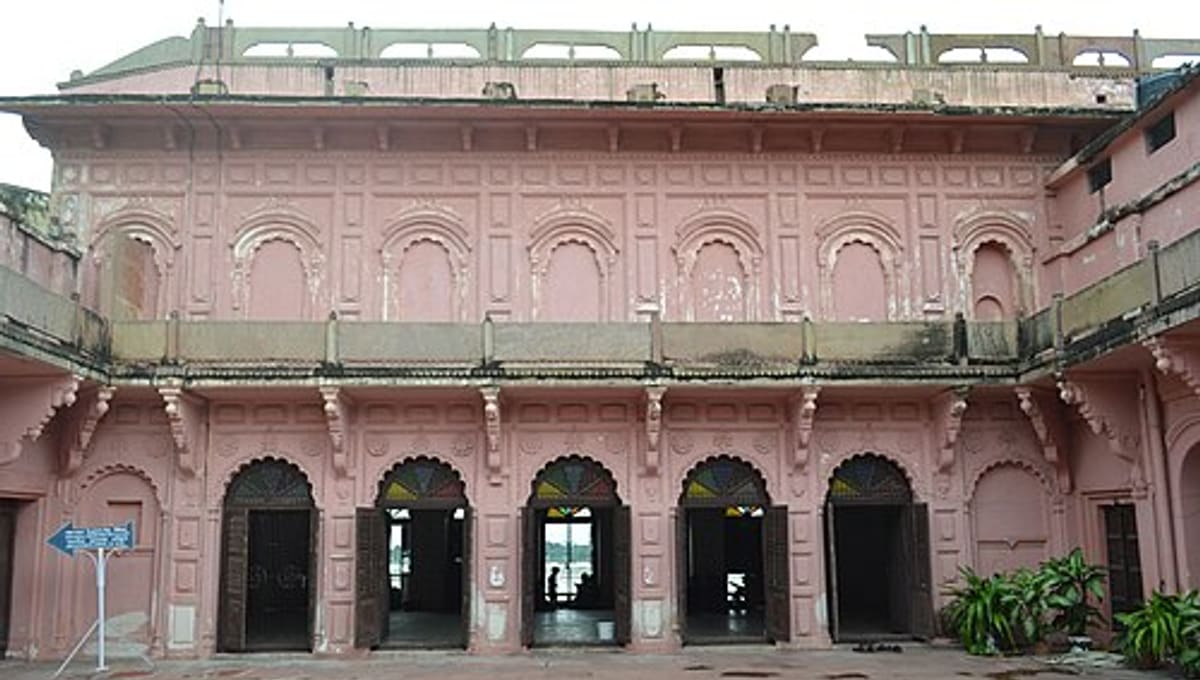
Image: Wikimedia Commons
Man Singh Observatory, better known as the Jantar Mantar of Varanasi, is one of five monumental naked-eye observatories built across India in the early 18th century.
About Man Singh Observatory
Built in 1737 by Maharaja Jai Singh II of the Kingdom of Amber, later Jaipur, the observatory forms part of the same construction project that produced the famous Jantar Mantar complexes in Jaipur, Delhi, Ujjain and Mathura. Its instruments were designed to track celestial positions with the naked eye, using masonry rather than lenses.
History
The observatory dates to 1737, commissioned as part of Jai Singh II's wider effort to build precise astronomical instruments across northern India during the early 18th century.
Location & getting there
Man Singh Observatory stands in Varanasi, one of India's oldest and most visited cities, on the Indian subcontinent.
Visiting Man Singh Observatory
As a historic monument within Varanasi, it draws visitors alongside the city's other landmarks; check current opening hours and access locally or on official tourism resources before travelling.
See your named star from here
Long before telescopes, the astronomers who built this site tracked the sky using nothing but geometry and stone instruments — a reminder that the coordinates of a star have always been findable with the right tools. If you've named a star with Star Register, explore its details in our star catalogue.
Opening hours and public-visit programs vary by season. Check Google Maps for current times before you travel.
Institutional and reference sources used to verify this guide.
Satellite imagery: Esri, Maxar, Earthstar Geographics

 558 km
Devasthal Observatory
observatory center under department of science and technology government of India situated at Uttrakhand India

 682 km