
Lindenberg Meteorological Observatory

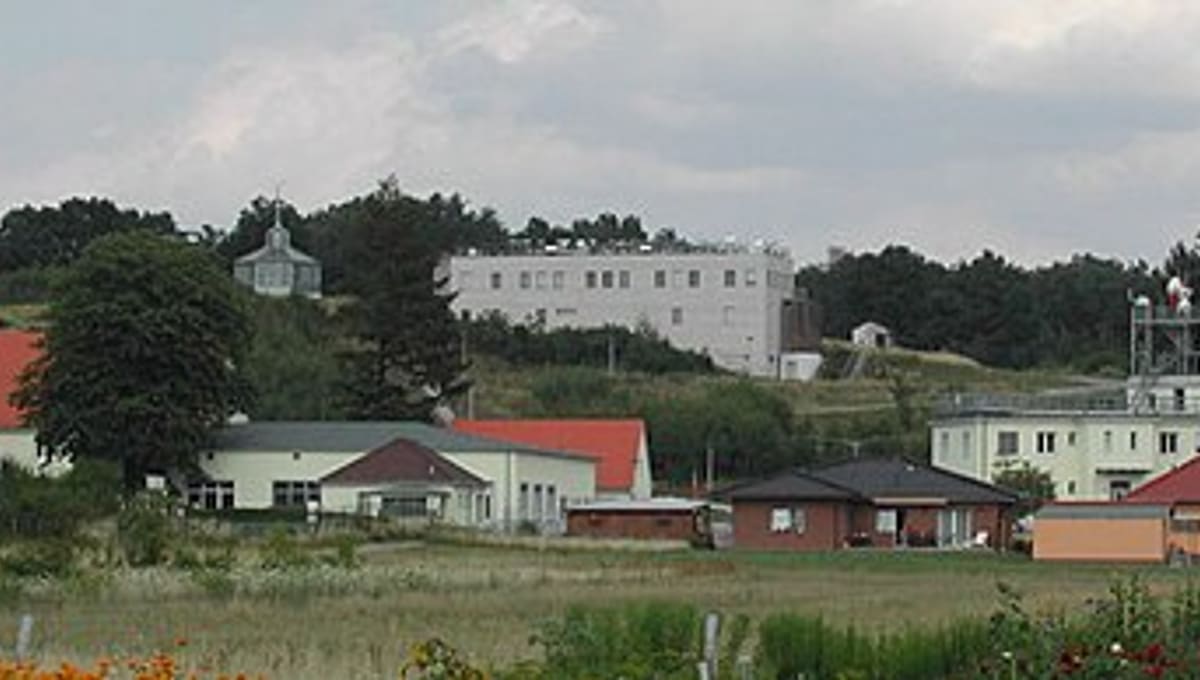
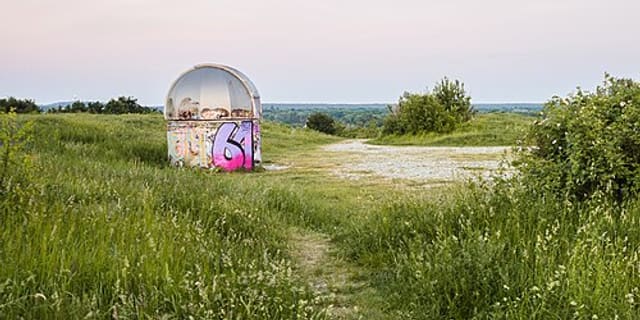
Image: Wikimedia Commons
In the small village of Lindenberg, about 65 kilometres southeast of Berlin, Germany, the Lindenberg Meteorological Observatory has spent more than a century studying the atmosphere above us. Founded in 1905, it remains one of the longest continuously operating atmospheric research stations in the world.
About Lindenberg Meteorological Observatory
The observatory was inaugurated on 21 October 1905 as the Royal Prussian Aeronautical Observatory, in the presence of Emperor Wilhelm II and Prince Albert of Monaco. It was established by Richard Assmann, the meteorologist who invented the aspiration psychrometer and who, together with Léon Teisserenc de Bort, co-discovered the stratosphere.
History
From its earliest years, Lindenberg's central mission has been the vertical profiling of the atmosphere, measuring how temperature, pressure, humidity, and wind change with altitude. In the observatory's first decades, this meant attaching meteorographs to kites and captive balloons, sent aloft to record conditions high above the ground. Today the site is formally known as the Lindenberg Meteorological Observatory – Richard Assmann Observatory (MOL-RAO), and it continues to operate as a significant atmospheric research facility, carrying on over a century of unbroken observation.
Location & getting there
Lindenberg sits in the flat, rural countryside southeast of Berlin, in Brandenburg. Its relatively open, low-lying setting has long suited the launching of weather balloons and other atmospheric instruments.
Visiting Lindenberg Meteorological Observatory
As an active scientific research station, visiting arrangements can vary, so it's best to check the observatory's current information before planning a trip.
See your named star from here
Lindenberg's century of work has been about mapping what's directly overhead, layer by layer. If you'd like to mark a specific point in the sky in someone's honour, Star Register lets you name a real, visible star with its own coordinates. Browse our naming packages or explore the star catalogue to find one.
Opening hours and public-visit programs vary by season. Check Google Maps for current times before you travel.
Institutional and reference sources used to verify this guide.
Satellite imagery: Esri, Maxar, Earthstar Geographics

 53 km
53 km
 59 km
59 km
 72 kmResearch
 74 kmPublic