
Kislovodsk Mountain Astronomical Station

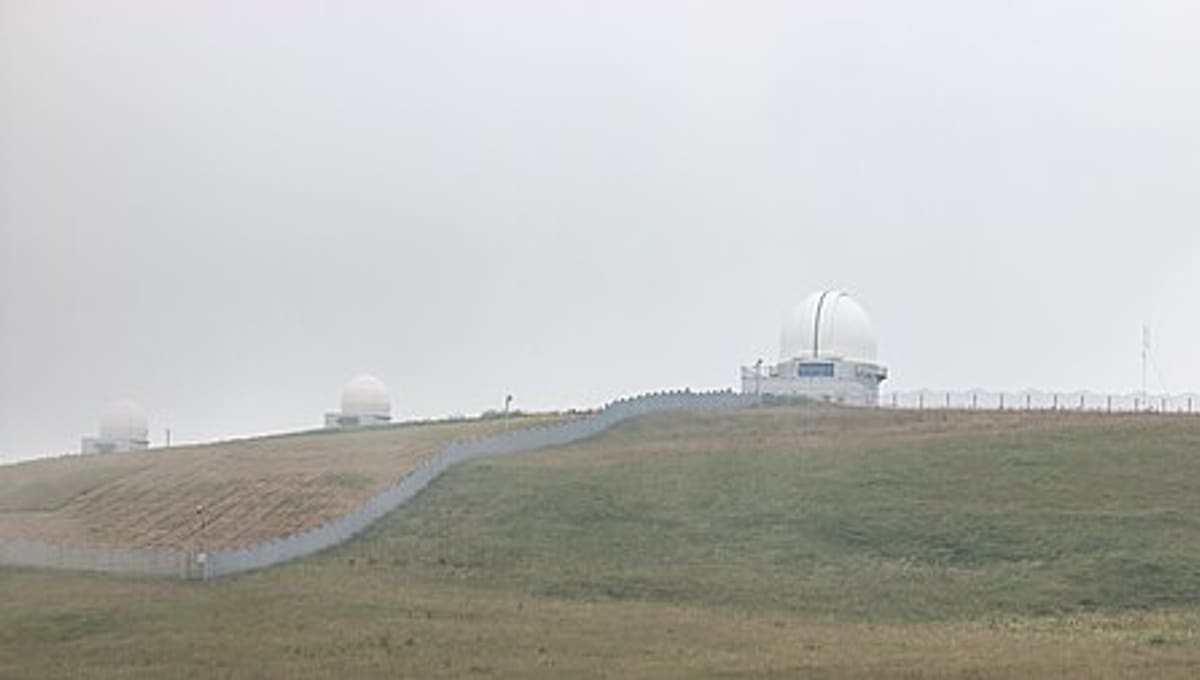
Image: Wikimedia Commons
High on the Shadzhatmaz plateau in Karachay-Cherkessia, Russia, at 2,070 metres above sea level, the Kislovodsk Mountain Astronomical Station has spent more than seven decades watching the sun.
About Kislovodsk Mountain Astronomical Station
The station's principal task is the regular observation and study of active processes in the sun's photosphere, chromosphere and corona, using both optical and radio methods. Its researchers track solar activity and how it affects Earth's ionosphere, magnetosphere, troposphere and biosphere.
History
The station was founded in 1948 as an outpost of the Pulkovo Observatory in Saint Petersburg. Over time it grew from a satellite site into an independent research facility with international standing in solar physics.
Telescopes & research
Kislovodsk Mountain Astronomical Station operates multiple telescopes and measuring instruments dedicated to solar and space-weather monitoring, taking advantage of the clear air and low light pollution afforded by its high-altitude setting.
Location & getting there
The station sits on the Shadzhatmaz plateau at 2,070 metres elevation, above the resort city of Kislovodsk in the North Caucasus. It is accessible by private vehicle or organised tour from Kislovodsk itself.
Visiting Kislovodsk Mountain Astronomical Station
Visitors typically reach the station by private vehicle or an organised tour from Kislovodsk; check the station's own website, solarstation.ru, for current details before planning a trip.
See your named star from here
The station's high, clear mountain air is a reminder of how much detail a good site can reveal in the sky. If you'd like a personal link to the stars above it, name a star with Star Register and look it up in our star catalogue.
Opening hours and public-visit programs vary by season. Check Google Maps for current times before you travel.
Institutional and reference sources used to verify this guide.
Satellite imagery: Esri, Maxar, Earthstar Geographics

 52 km
52 km
 52 km
52 km
 53 km
53 kmBaksan Neutrino Observatory
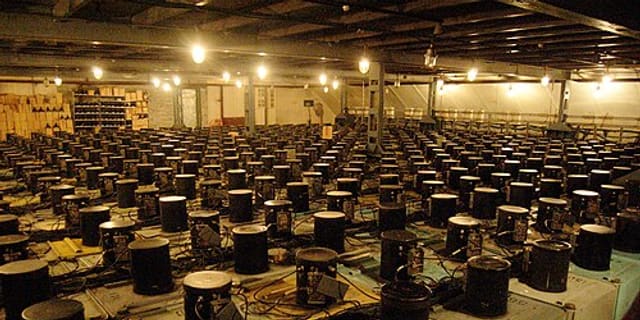
scientific laboratory mainly studying neutrinos; located in the Caucasus mountains in Russia