
Kandilli Observatory

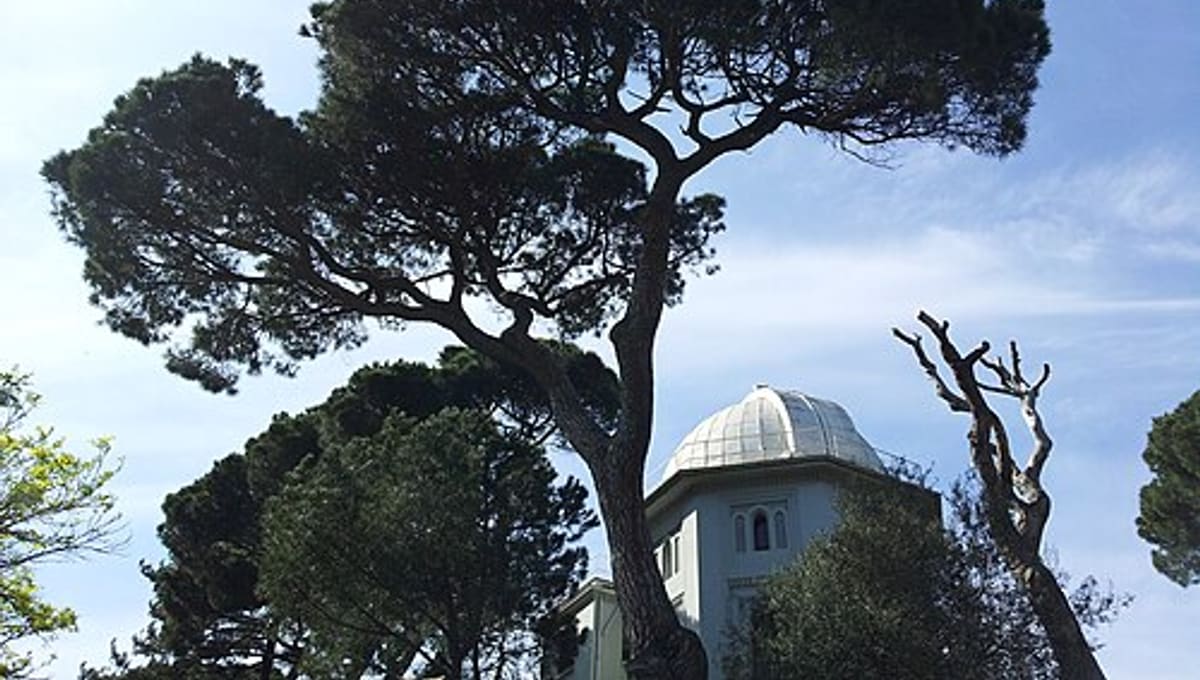
Image: Wikimedia Commons
High above the Bosporus in Istanbul, Kandilli Observatory has combined astronomy, timekeeping, and earthquake science since 1868, making it one of Turkey's oldest and most storied scientific institutions.
About Kandilli Observatory
Formally the Kandilli Observatory and Earthquake Research Institute (KOERI), the institution began life as the Imperial Observatory, founded to provide accurate weather forecasting and timekeeping for the late Ottoman state. Today it operates as part of Boğaziçi University and is equally known for its earthquake research as for its astronomical roots.
History
Kandilli Observatory was founded in 1868. It was destroyed during the 31 March Incident of 1909 and rebuilt, reopening in 1911. In 1982 the institute was annexed to Boğaziçi University, and over the following decades it grew into Turkey's leading centre for seismological monitoring alongside its original astronomical mission.
Telescopes & research
Alongside its historic role in astronomical observation and timekeeping, Kandilli Observatory now specialises heavily in earthquake research, making it central to Turkey's earthquake monitoring and public warning systems.
Location & getting there
The observatory sits in the Kandilli neighbourhood of Üsküdar, on the Anatolian side of Istanbul, atop a hill with sweeping views over the Bosporus strait - a striking setting that has drawn visitors here for well over a century.
Visiting Kandilli Observatory
Kandilli Observatory also functions as a research institute and museum, though opening hours and tour arrangements can vary. Check the official KOERI website or contact Boğaziçi University directly before planning a visit.
See your named star from here
Astronomers at Kandilli once used the Bosporus skyline as their backdrop for tracking the stars; you can do the same with a star of your own. Name a star with Star Register and you'll get its exact coordinates, ready to find in our star catalogue or from any dark spot overlooking Istanbul.
Opening hours and public-visit programs vary by season. Check the official website and Google Maps for current times before you travel.
Institutional and reference sources used to verify this guide.
Satellite imagery: Esri, Maxar, Earthstar Geographics

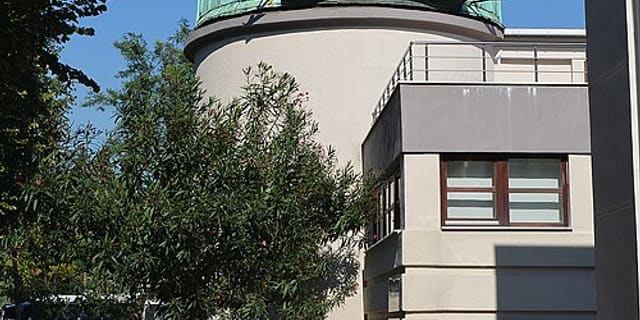 10 kmResearch
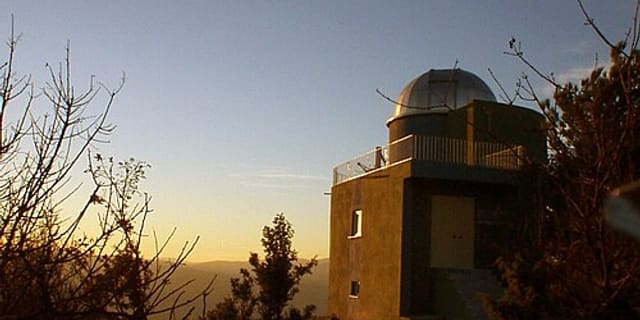 243 km
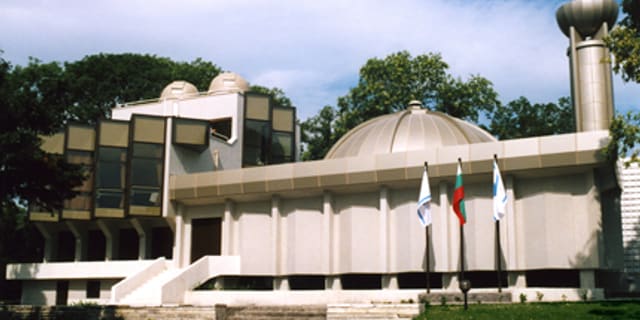 256 kmPlanetarium