
Istanbul University Observatory

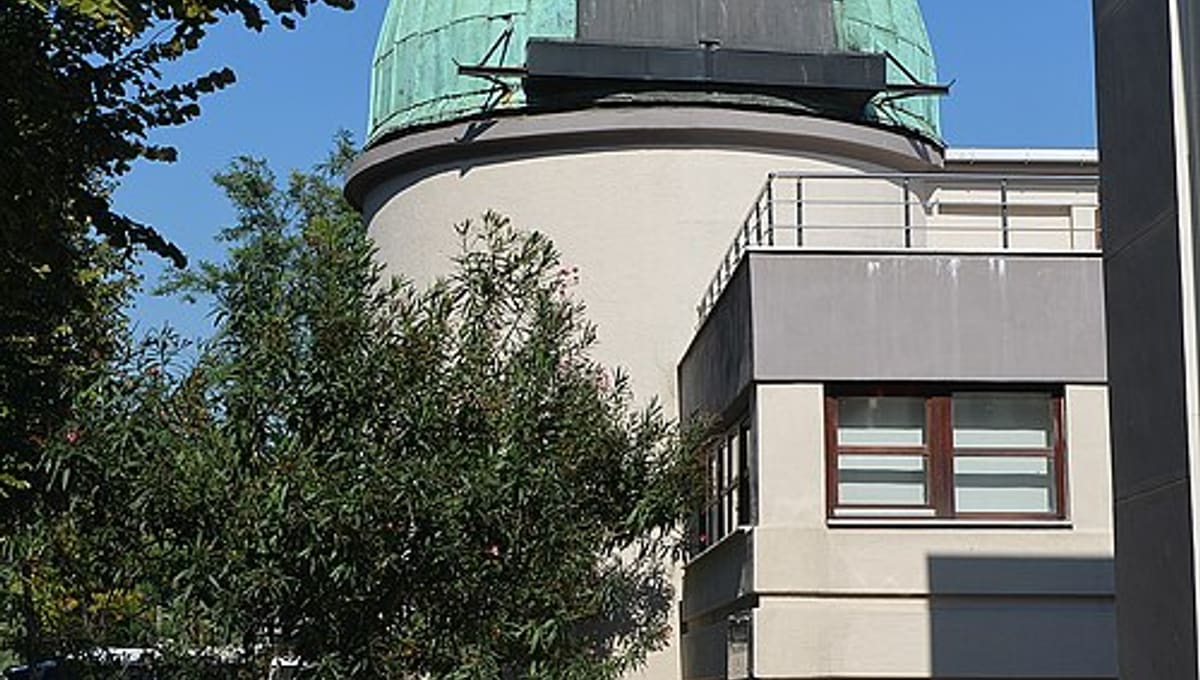
Image: Wikimedia Commons
Beside the historic Beyazıt Tower on Istanbul University's main campus, the Istanbul University Observatory has been observing the sky from the heart of the old city since the 1930s.
About Istanbul University Observatory
The observatory is operated by the Astronomy and Space Sciences Department of Istanbul University's Faculty of Science, at Beyazıt Square in the Fatih district. It sits at roughly 50 metres above sea level and is considered the first modern observatory in Turkey.
History
It was established in 1936, founded under the direction of the German astronomer Erwin Finlay-Freundlich, three years after the Faculty of Science itself was founded in 1933. Its main telescope, a 30-cm Carl Zeiss astrograph from Jena, was ordered on 11 December 1935 and arrived on 25 September 1936; observations began that autumn.
Telescopes & research
The 30-cm Zeiss astrograph, with a focal length of 150 cm and an aperture ratio of f/5, remains in use today for solar observations, making it one of the longest-serving instruments of its kind in the region.
Location & getting there
The observatory stands within Istanbul University's central campus at Beyazıt Square in Fatih, one of the most historic districts of Istanbul, Turkey, easily reached on foot from the Grand Bazaar and surrounding old city.
Visiting Istanbul University Observatory
As a university department facility, access is generally tied to academic events or public outreach sessions; check the university's observatory page for current visiting arrangements before travelling there.
See your named star from here
Nearly ninety years after its Zeiss astrograph first opened its shutter over Istanbul, the observatory's location remains a striking place to think about the night sky. If you have named a star with Star Register, discover its coordinates via our star-naming packages or the catalogue.
Opening hours and public-visit programs vary by season. Check the official website and Google Maps for current times before you travel.
Institutional and reference sources used to verify this guide.
Satellite imagery: Esri, Maxar, Earthstar Geographics

 10 kmResearch
 234 km
 258 kmPlanetarium