
Hiddensee Bird observatory

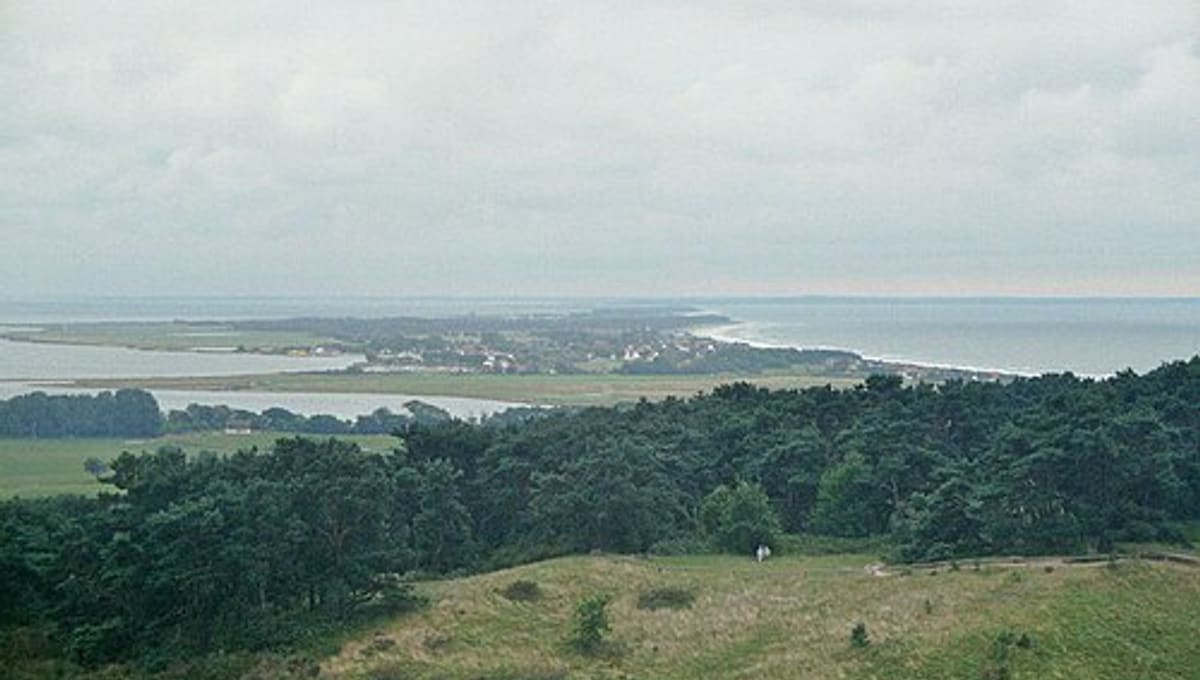
Image: Wikimedia Commons
Hiddensee Bird Observatory is a long-running ornithological research station on Hiddensee, a car-free island in the Baltic Sea off the German coast.
About Hiddensee Bird Observatory
Unlike most sites on this registry, Hiddensee is not an astronomical observatory: it is dedicated to studying bird migration. It was founded in 1936 by the University of Greifswald and has run ecological and bird-banding studies on the island ever since. Between 1964 and 2020 alone, the station marked around 6.19 million birds with Hiddensee rings, recording roughly 855,000 recoveries.
History
The observatory was established in 1936 as an ornithological station of the University of Greifswald, making it one of the older bird-migration research stations on the Baltic coast. It has continued long-term monitoring and educational programmes on the island since.
Location & getting there
Hiddensee is a car-free island in the Baltic Sea, part of Germany's Europe region, reached by ferry rather than road. That lack of traffic and light pollution makes the island a quiet, dark place after sunset, even though its scientific focus is birds rather than stars.
Visiting Hiddensee Bird Observatory
The station runs ongoing monitoring and educational programmes on the island. As with any working research site, check current visiting arrangements with the observatory or local tourism information before you travel.
See your named star from here
Hiddensee's research is about birds, not telescopes, but its car-free, low-light island setting still makes for a genuinely dark night sky. If you've named a star with Star Register, an evening on Hiddensee after the day's birdwatching is a fine time to use your certificate's coordinates to try to find it yourself. Look up your star in the star catalogue.
Opening hours and public-visit programs vary by season. Check Google Maps for current times before you travel.
Institutional and reference sources used to verify this guide.
Satellite imagery: Esri, Maxar, Earthstar Geographics

 76 kmPublic
 124 km
 126 kmResearch
Østervold Observatory
former astronomical observatory of the University of Copenhagen in Denmark