
Ebro Magnetic Observatory
Satellite imagery: Esri, Maxar, Earthstar Geographics
Ebro Magnetic Observatory is a scientific institution in Roquetes, in the Baix Ebre region of Tarragona, Spain, dedicated to studying the Earth's magnetic field and its relationship with the Sun.
About Ebro Magnetic Observatory
Rather than an astronomical observatory for stargazing, Ebro is a solar-terrestrial physics institute researching earth currents, atmospheric electricity, seismology, solar activity and geomagnetic activity. It is now a university institute of Ramon Llull University and maintains more than a century of continuous observational records.
History
It was founded in 1904 by the Society of Jesus and opened to the public on 30 August 1905, timed to coincide with a total solar eclipse. In the same year, 1904, it installed the first seismic station in Catalonia, known by the code EBR, which remains active today.
Telescopes & research
Ebro's research spans geomagnetism, solar activity, atmospheric electricity and seismology rather than optical astronomy, making it a long-running centre for solar-terrestrial physics rather than a stargazing site.
Location & getting there
The observatory is located in Roquetes, Tarragona, Spain, within the Europe region.
Visiting Ebro Magnetic Observatory
Check the observatory or Ramon Llull University for current public visiting arrangements before planning a trip.
See your named star from here
Ebro's more than a hundred years of continuous records are a reminder of how much can be learned by tracking precise positions over time, the same principle behind the coordinates on a Star Register certificate. Explore our star-naming packages or browse the catalogue to find your star.
Opening hours and public-visit programs vary by season. Check Google Maps for current times before you travel.
Institutional and reference sources used to verify this guide.
Satellite imagery: Esri, Maxar, Earthstar Geographics

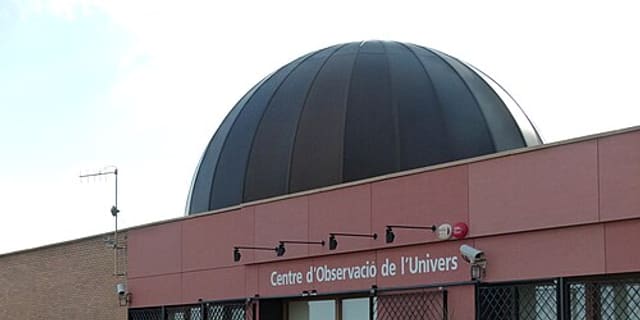 123 km
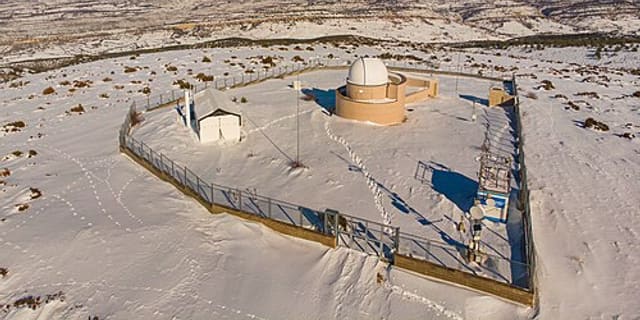 126 km
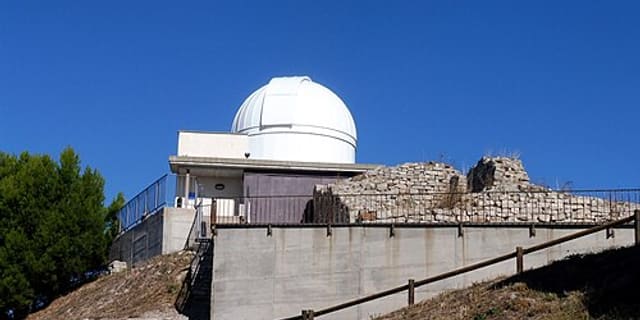 143 km
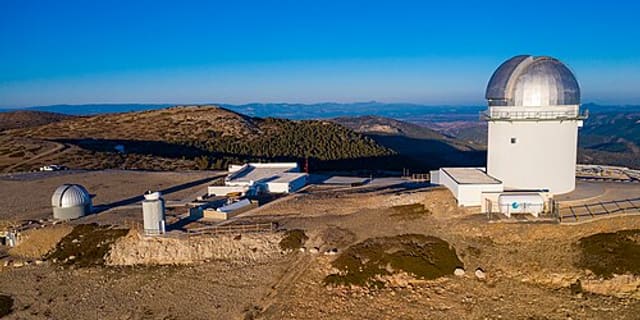 153 km