
Crawford Observatory

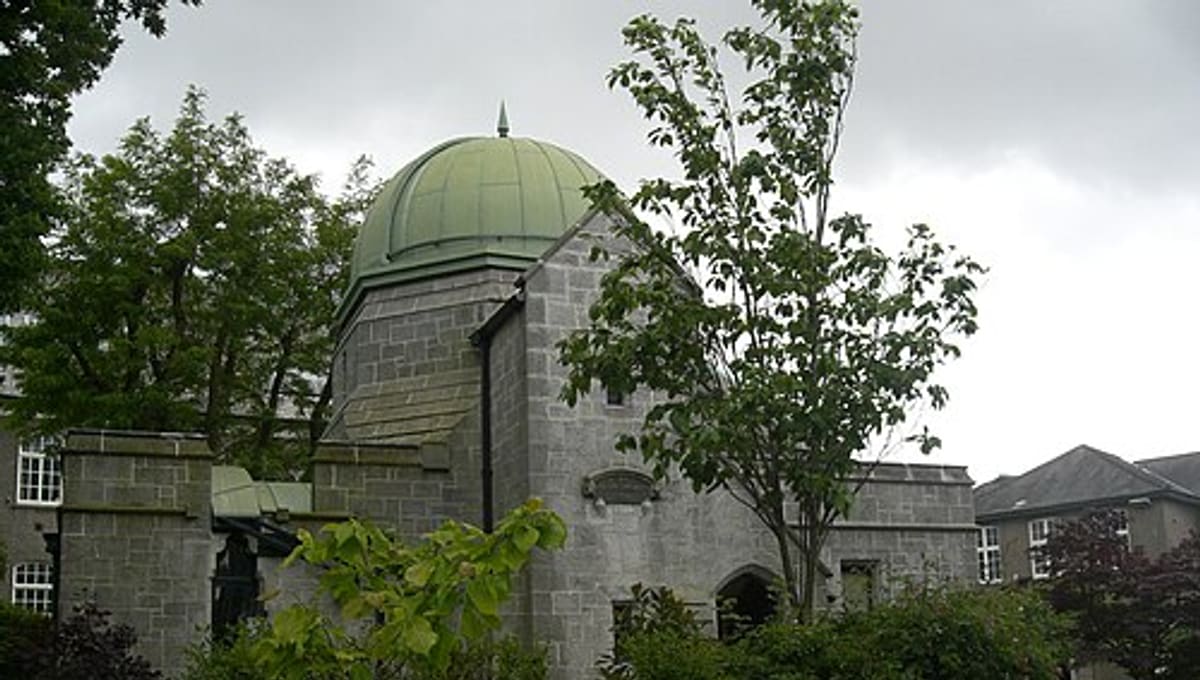
Image: Wikimedia Commons
On the campus of University College Cork in Ireland, Crawford Observatory has been pointing gold medal-winning optics at the sky since 1878.
About Crawford Observatory
Crawford Observatory is a nineteenth-century observatory on the campus of University College Cork, built in 1878 and funded in part by a £1,000 donation from William Crawford of the Beamish and Crawford brewing company. It houses three original instruments: a Thomas Grubb equatorial telescope, a transit telescope, and a siderostatic telescope, all designed by Howard Grubb.
History
The Grubb equatorial telescope, with an 8-inch aperture, won a gold medal at the 1878 Paris Exposition Universelle and was, at the time, at the cutting edge of astronomy. As light pollution spread across Cork city in the following decades, the observatory gradually fell into disuse, until a €500,000 government-led renovation reopened it in 2006, complete with a new openable roof for the equatorial room.
Telescopes & research
All three original instruments survive in remarkable condition and remain part of UCC's physics education programme. The observatory is used for science outreach, and its refurbished dome and telescopes are shown to the public during Cork Heritage Week.
Location & getting there
Crawford Observatory sits on the University College Cork campus in Cork, Ireland, easily reached on foot within the grounds alongside the university's other historic buildings.
Visiting Crawford Observatory
Guided tours of Crawford Observatory are offered during Cork Heritage Week, and the site continues to support UCC's physics teaching. Check with University College Cork's physics department for current opening times before visiting.
See your named star from here
After you name a star with Star Register, an observatory built to track precise coordinates in the sky, like this one, is exactly the kind of place that can point a telescope toward it. Find your star's right ascension and declination in the star catalogue.
Opening hours and public-visit programs vary by season. Check Google Maps for current times before you travel.
Institutional and reference sources used to verify this guide.
Satellite imagery: Esri, Maxar, Earthstar Geographics

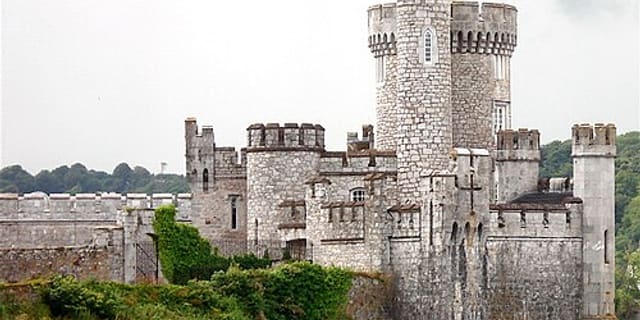 6 km
6 km
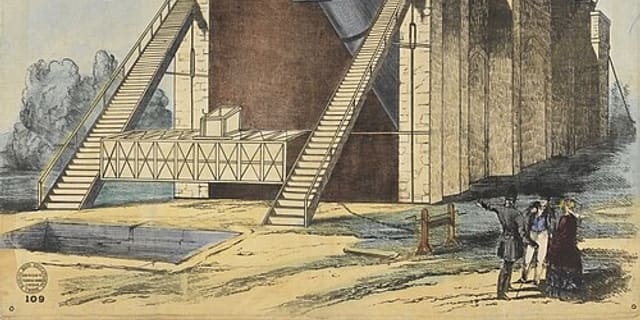 139 km
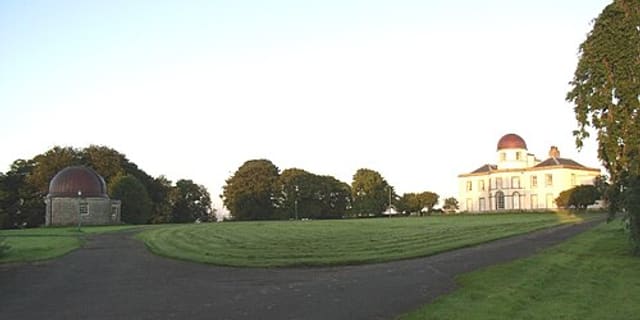 221 km