
Blackrock Castle

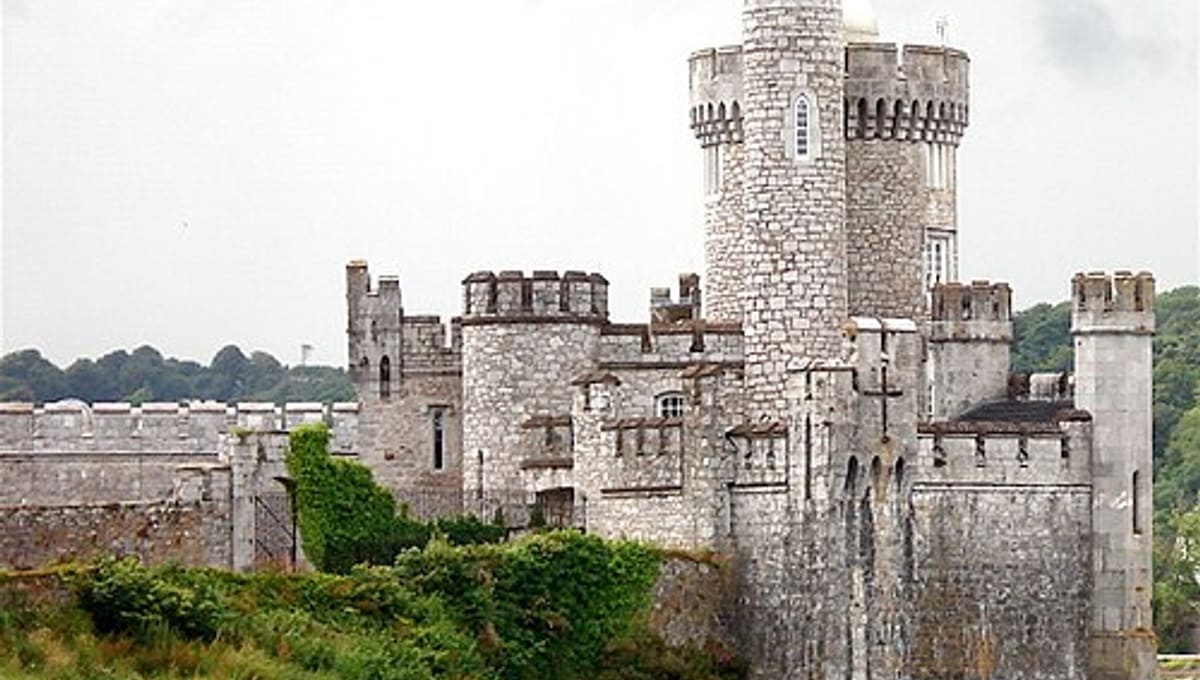
Image: Wikimedia Commons
On the banks of the River Lee just outside Cork city centre, Blackrock Castle pairs a 16th-century coastal fort with a modern astronomy visitor centre and planetarium, run today by Munster Technological University.
About Blackrock Castle
Blackrock Castle is a castellated fortification at Blackrock, about 2 km from Cork city centre, originally built in the 16th century to defend Cork Harbour and its port. The castle now houses Blackrock Castle Observatory, a public science centre and restaurant operated by Munster Technological University (MTU).
History
The castle's origins as a coastal defence go back to the 1500s, guarding the approach to Cork's busy harbour. Its later life as an observatory and science centre has turned the old fort into one of Cork's most distinctive family attractions, blending centuries-old stonework with contemporary astronomy exhibits.
Telescopes & research
Blackrock Castle Observatory's science centre includes a planetarium and a radio telescope, used both for public engagement and MTU's own outreach and education work in astronomy and space science.
Location & getting there
The castle sits directly on the River Lee at Castle Road, Blackrock, roughly 2 km southeast of Cork city centre. Bus route 202 runs from Merchants Quay to the St Luke's Home stop, about a five-minute walk from the castle.
Visiting Blackrock Castle
Blackrock Castle Observatory is open daily from 10:00 to 20:00, with last entry at 19:00, and walk-ins are welcome without booking. Admission covers the science centre's planetarium and radio telescope exhibits as well as a self-guided tour of the 16th-century castle; adult tickets cost around €9, with reduced rates for children, students and families. You can reach the centre on +353 21 432 6100 for group bookings or opening-time changes.
See your named star from here
Because Blackrock Castle Observatory already has a radio telescope and astronomy staff on site, it's a natural place to bring a named star's coordinates to life. After you name a star, look up its right ascension and declination in the catalogue and ask the team here, or another observatory in our observatories directory, to help you find it.
Opening hours and public-visit programs vary by season. Check Google Maps for current times before you travel.
Institutional and reference sources used to verify this guide.
Satellite imagery: Esri, Maxar, Earthstar Geographics

 6 kmResearch
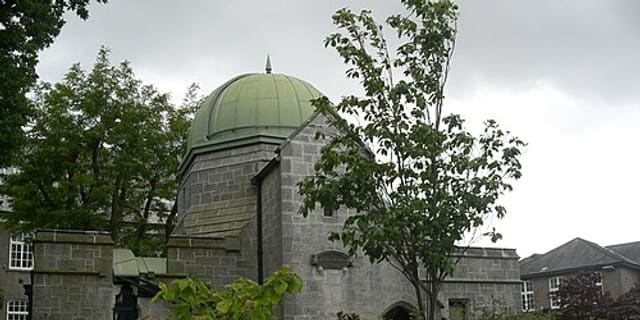
Crawford Observatory
19th-century observatory located on the campus of University College Cork, Ireland

 137 km
 216 km