
Centro Sismológico de Sonseca

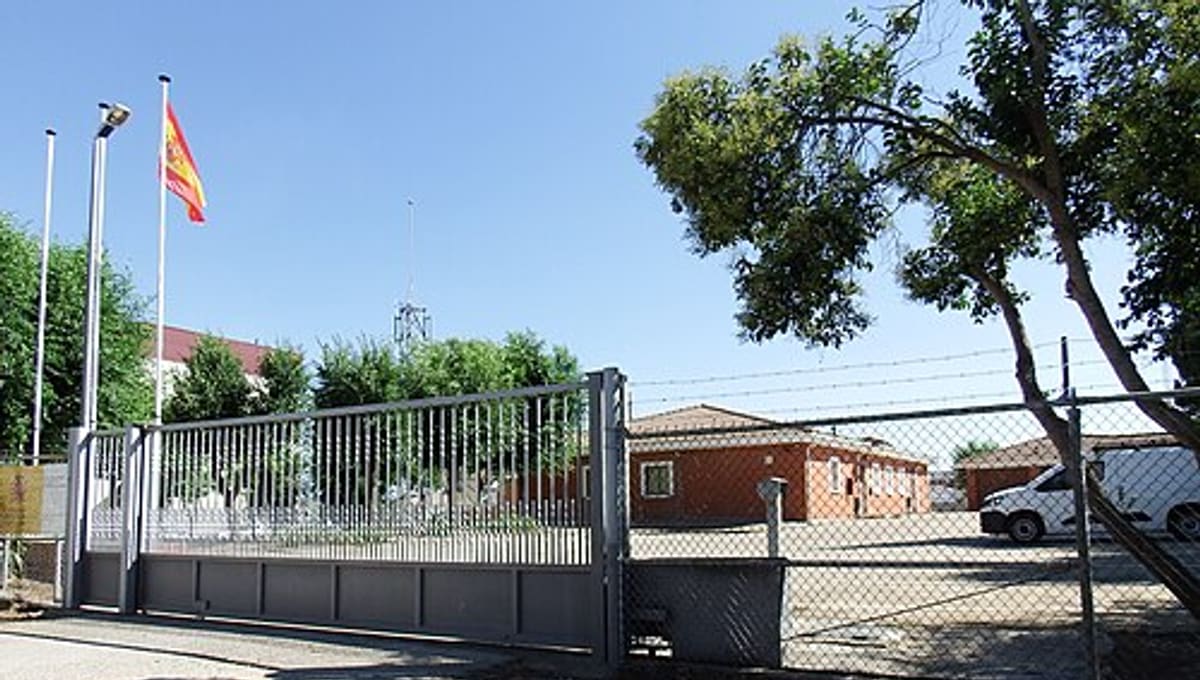
Image: Wikimedia Commons
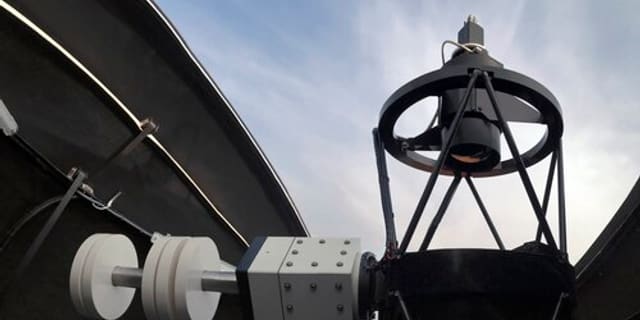
Centro Sismológico de Sonseca is a seismic monitoring station near Orgaz in Toledo Province, Spain, built during the Cold War to detect nuclear tests from thousands of kilometres away.
About Centro Sismológico de Sonseca
The station was established in 1956 by the United States Air Force's Technical Application Center (AFTAC) specifically to monitor nuclear weapons tests conducted in New Mexico, New Zealand, Rajasthan and Algeria. It was transferred to Spanish control in 1996 and today forms part of Spain's National Seismic Network.
History
Built in 1956 as a US Air Force listening post, the station passed to Spain in 1996 and was modernised between May and December 2001, with its upgraded instruments verified and homologated by the Comprehensive Nuclear-Test-Ban Treaty Organization (CTBTO).
Telescopes & research
Rather than optical astronomy, Sonseca's work is seismological: it operates as Primary Station PS40, feeding real-time data to the International Data Center in Vienna under the Comprehensive Nuclear Test Ban Treaty. It remains the only Spanish station able to detect nuclear explosions, giving it particular significance across Europe.
Location & getting there
The station sits near Sonseca and Orgaz, in Toledo Province, central Spain.
Visiting Centro Sismológico de Sonseca
As a specialised monitoring facility rather than a public visitor site, Centro Sismológico de Sonseca has no published tourist opening hours; anyone interested should check with Spain's seismic network authorities before planning a visit.
See your named star from here
Sonseca's instruments are tuned to the Earth's tremors rather than the night sky, but the same precision that pinpoints a seismic wave is what lets astronomers fix the exact coordinates behind a named star. Explore those coordinates for any star in our catalogue.
Opening hours and public-visit programs vary by season. Check Google Maps for current times before you travel.
Institutional and reference sources used to verify this guide.
Satellite imagery: Esri, Maxar, Earthstar Geographics

 68 km
68 km
 85 kmResearch
 93 kmRadio
 93 km
93 km