
Bardsey Bird and Field Observatory

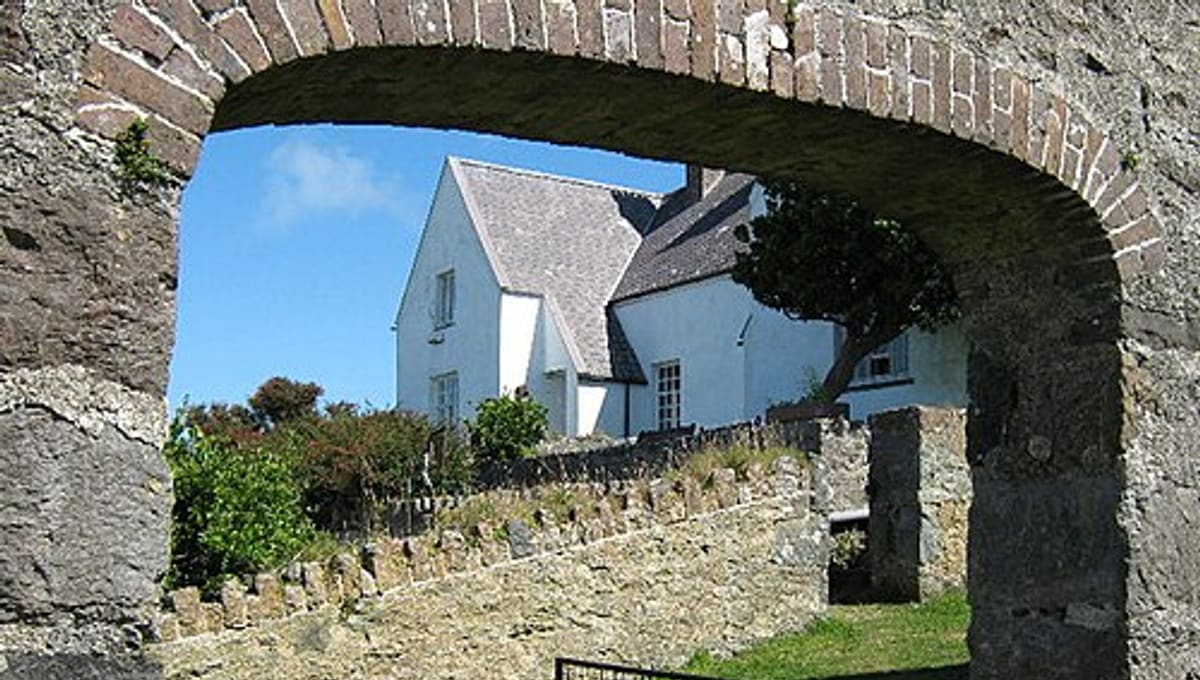
Image: Wikimedia Commons
On remote Bardsey Island off the tip of the Llyn Peninsula in Wales, the Bardsey Bird and Field Observatory has tracked migrating birds for over seventy years. It is a nature-watching institution rather than an astronomical one, but its island setting, far from mainland light pollution, makes it a genuinely dark place to look up at night.
About Bardsey Bird and Field Observatory
Bardsey Bird and Field Observatory (BBFO) monitors and records the breeding and migratory birds that pass through or nest on Bardsey Island, known in Welsh as Ynys Enlli. Staff carry out a daily census of sightings, with especially intensive counts during the spring and summer breeding season. It is a registered charity and one of just 20 accredited bird observatories around the coasts of Britain and Ireland.
History
The observatory was founded in 1953 by ornithologists from the West Midland Bird Club together with the West Wales Field Society and local islanders, who saw the chance to study the ecology of a small, isolated island as well as its birdlife.
Location & getting there
Bardsey Island lies off the Welsh coast at the tip of the Llyn Peninsula, an area recognised as a National Nature Reserve, Site of Special Scientific Interest, and Area of Outstanding Natural Beauty. Reaching the island requires a boat crossing arranged in advance.
Visiting Bardsey Bird and Field Observatory
The observatory's Lodge offers hostel-style accommodation for up to 12 guests, bookable Saturday to Saturday, with solar power, heating, and hot water despite the island's off-grid setting. You don't need to be a birdwatcher to stay, and guests can join a weekly guided wildlife walk with observatory staff.
See your named star from here
Away from mainland light pollution, an island stay at Bardsey is also a rare chance for genuinely dark skies. Wherever you are, a named star's coordinates stay the same, so this remote spot works as well as any for finding one. Take a look at the naming packages or browse the star catalogue.
Opening hours and public-visit programs vary by season. Check the official website and Google Maps for current times before you travel.
Institutional and reference sources used to verify this guide.
Satellite imagery: Esri, Maxar, Earthstar Geographics

 125 km
 132 km
 135 km
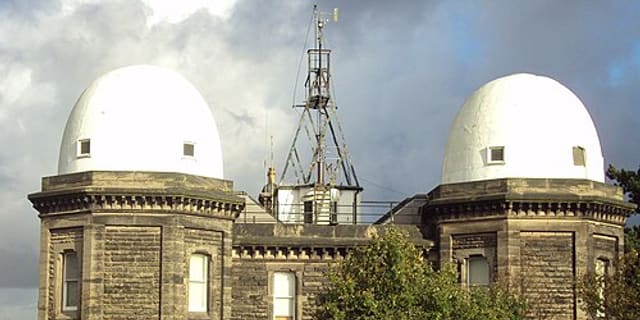
Bidston Observatory
Grade II listed former observatory in Bidston, Wirral, Merseyside, England, UK