
Astronomical station at North Caucasus of Kazan Federal University

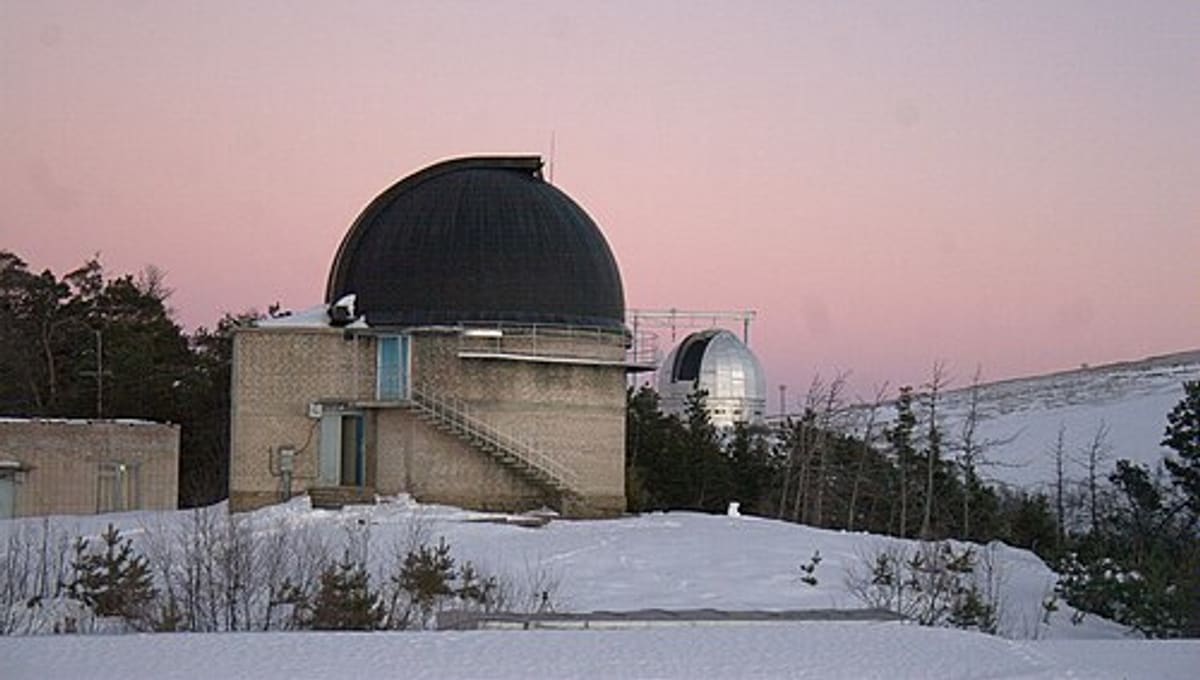
Image: Wikimedia Commons
High in the North Caucasus mountains of Russia, the Zelenchukskaya Station serves as the remote mountain outpost of Kazan Federal University's historic Engelhardt Astronomical Observatory.
About the Zelenchukskaya Station
Officially catalogued as the Astronomical station at North Caucasus of Kazan Federal University, this site is a branch of the Engelhardt Astronomical Observatory, whose main campus lies in the village of Oktyabrsky near Kazan, Tatarstan. Set higher in the mountains near Zelenchukskaya, the station enjoys clearer, darker skies than the university's home site, and carries the Minor Planet Center observatory code 114.
History
The Engelhardt Astronomical Observatory traces back to 1897, when astronomer Vasily Engelhardt donated his private observatory's equipment to Kazan University; its main building, designed by N. F. Malinovsky, opened in Oktyabrsky in 1901 under rector Dmitry Dubyago. In 2023, UNESCO added the Astronomical Observatories of Kazan Federal University, including the Engelhardt Observatory and its Caucasus station, to its World Heritage List.
Telescopes & research
The Caucasus station operates a 0.3-metre reflecting telescope used mainly for astrometry. It has become known for cometary observations and for numerous minor planet discoveries credited to Russian amateur astronomer Timur Krjačko, who has worked from the site.
Location & getting there
The station sits in the North Caucasus mountains near the settlement of Zelenchukskaya, in southern Russia. No public website is listed for the station itself, so anyone wanting more information should contact Kazan Federal University's astronomy department directly.
Visiting
As a working scientific station rather than a tourist facility, the Caucasus outpost is not set up for casual public visits. Those interested in seeing it should enquire with Kazan Federal University before planning a trip.
See your named star from here
Wherever you view the night sky, staff at an observatory can point a telescope toward the exact coordinates of a named star. Look up its right ascension and declination in the Star Register catalogue to share with a local astronomer.
Opening hours and public-visit programs vary by season. Check Google Maps for current times before you travel.
Institutional and reference sources used to verify this guide.
Satellite imagery: Esri, Maxar, Earthstar Geographics

 96 km
96 km
 96 km
96 km
 111 km
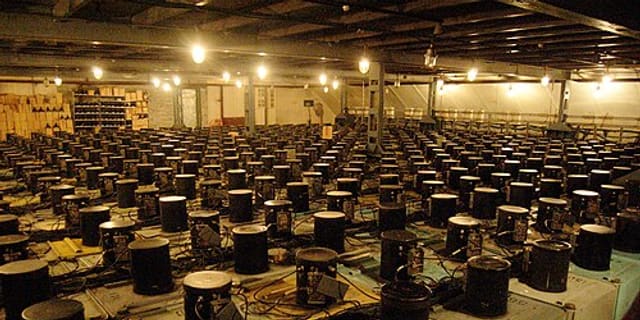
Baksan Neutrino Observatory
scientific laboratory mainly studying neutrinos; located in the Caucasus mountains in Russia