
Astronomical Observatory of Trieste

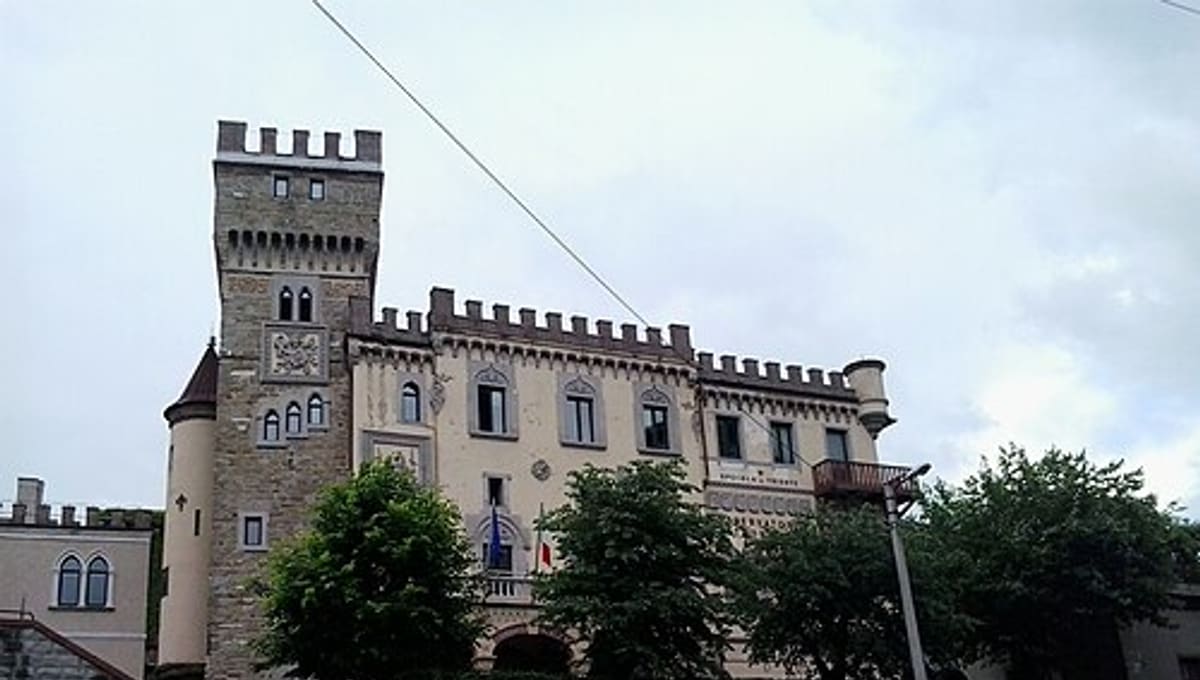
Image: Wikimedia Commons
With roots going back to the mid-18th century, the Astronomical Observatory of Trieste is one of Italy's longest-running centres for astronomical research, now welcoming thousands of public visitors each year.
About Astronomical Observatory of Trieste
Known as OAT (Osservatorio Astronomico di Trieste), the observatory is part of Italy's National Institute for Astrophysics (INAF) and is based in the city of Trieste, in northern Italy. Its research spans a wide range of astrophysics, from studies of the Sun to distant galaxies, including stellar physics, the early universe, and astrobiology.
History
The observatory was founded in 1753, giving it well over two and a half centuries of continuous history in Trieste.
Telescopes & research
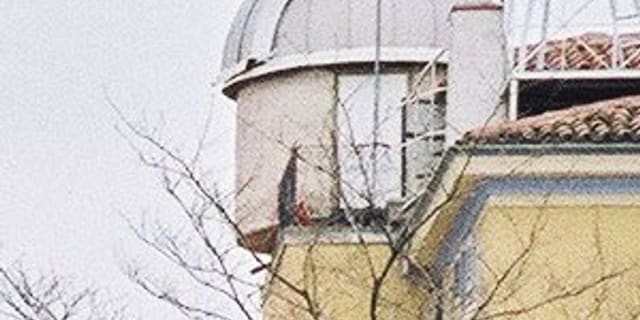
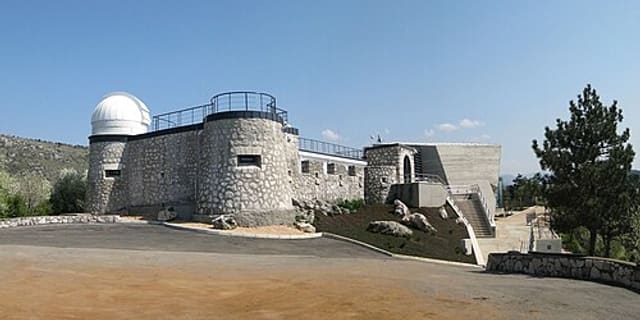
OAT's main public-facing facility is the Specola Margherita Hack, home to a 60 cm telescope that is open to the public and visited by thousands of people every year. The observatory's administrative offices are based in historic villas in the city, while its observing station sits on the Carso plateau near Basovizza.
Location & getting there
The Specola Margherita Hack observing station is located on the Carso near Basovizza, outside the centre of Trieste, in northern Italy, while the observatory's administrative headquarters are in city-centre villas.
Visiting Astronomical Observatory of Trieste
OAT runs an active outreach programme, with guided visits available to the Specola Margherita Hack and its 60 cm telescope. Check the observatory's website for current tour schedules before travelling.
See your named star from here
A star named through our packages comes with fixed coordinates, right ascension and declination, that any observatory's telescope, including the one at the Specola Margherita Hack, can be aimed at. Look up your star's position in the catalogue ahead of a visit.
Name a star of your own
Whether or not you can visit Astronomical Observatory of Trieste, you can dedicate a real, visible star through Star-Register. Name a star to receive its exact coordinates, or browse the star catalogue to look one up.
Opening hours and public-visit programs vary by season. Check the official website and Google Maps for current times before you travel.
Institutional and reference sources used to verify this guide.
Satellite imagery: Esri, Maxar, Earthstar Geographics

 39 km
39 km
 66 km
66 km
 87 km
87 km