
AstroCamp observatory
Satellite imagery: Esri, Maxar, Earthstar Geographics
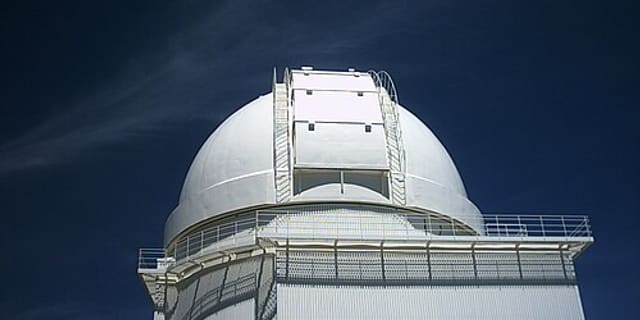
AstroCamp Observatory is Europe's premier robotic telescope hosting facility, located high in the mountains of Nerpio, Albacete, in the extreme southeast of Castilla-La Mancha, Spain. Positioned at the intersection of Murcia and Granada mountain ranges near Cazorla National Park in Jaén, the observatory offers world-class observing conditions and remote-access capabilities.
About AstroCamp Observatory
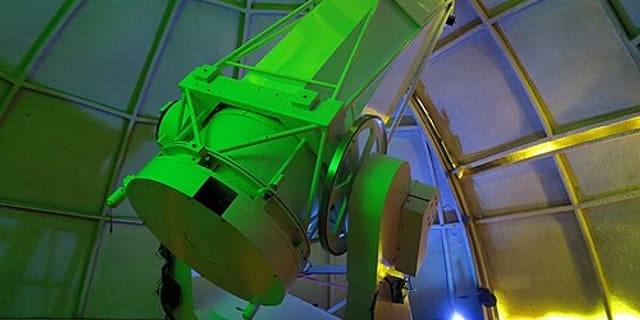
Established as Europe's first specialized telescope hosting facility, AstroCamp operates as part of the global iTelescope.net network, alongside observatories in Australia and New Mexico. The facility hosts roboticized telescopes for remote internet operation, enabling astronomers worldwide to conduct observations from their own computers. AstroCamp also provides consulting services and hosts public outreach and astronomy education programs.
Location & sky quality
Nerpio sits at 1,650 meters elevation in an exceptionally dark location. The observatory's sky brightness measures magnitude 21.5 on the Bortle scale - approaching the worldwide maximum of 22. This represents some of the darkest, most transparent skies in Europe, offering unparalleled conditions for deep-sky observation and astrophotography.
Facilities & equipment
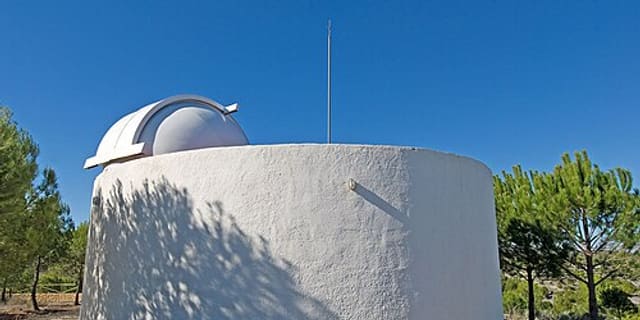
The facility provides individual telescope domes for hosted robotic telescopes and motorized roll-off roof shared shelters for multiple instruments. The combination of secure storage, high-speed internet connectivity, and nearby electricity ensures reliable remote observations.
Remote observing
AstroCamp's primary service is hosting roboticized telescopes available through the iTelescope.net platform. Observers select objects and parameters from their home or office, and the telescopes execute observations automatically. This model democratizes access to professional-grade equipment and Earth's darkest skies.
See your named star from here
The remote telescopes at AstroCamp can locate and image any star by celestial coordinates. A named star observed from Nerpio's exceptional skies provides an unforgettable connection to the cosmos through some of Europe's finest observing conditions.
Opening hours and public-visit programs vary by season. Check Google Maps for current times before you travel.
Institutional and reference sources used to verify this guide.
Satellite imagery: Esri, Maxar, Earthstar Geographics

 78 km
78 km
 107 km
 173 km