
Artemis Observatory

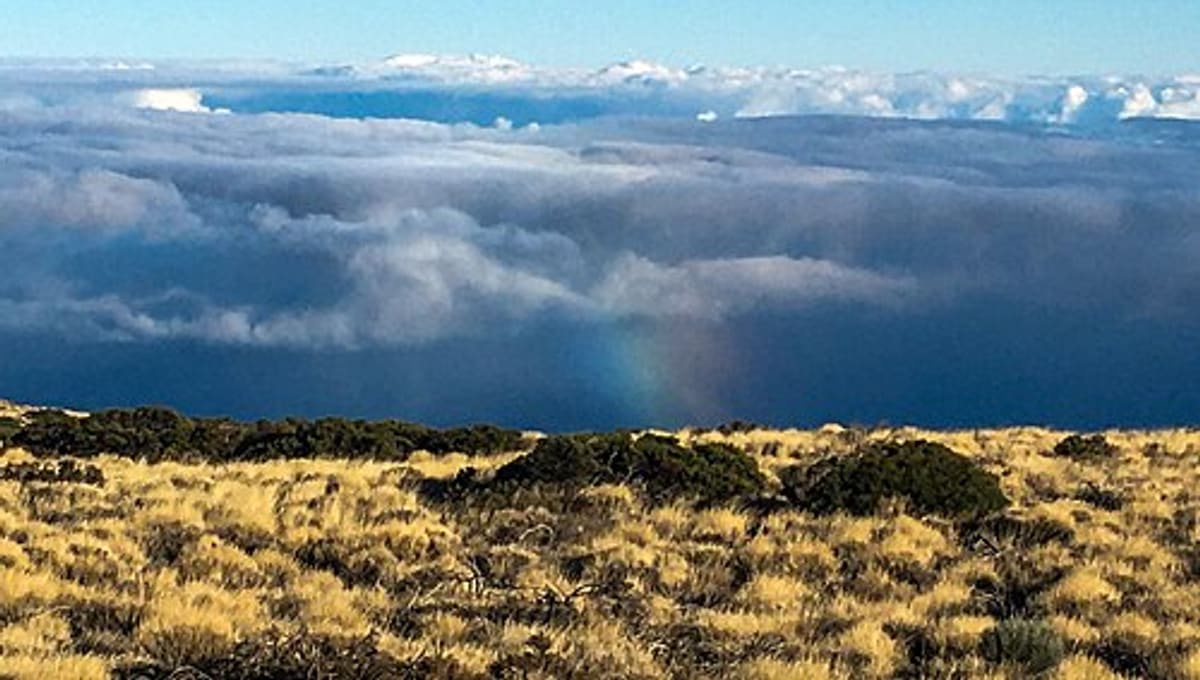
Image: Wikimedia Commons
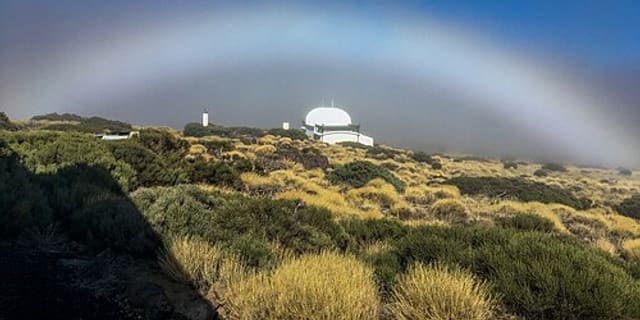
Artemis Observatory is a modern 1-metre robotic telescope located at Teide Observatory on Mount Teide, Tenerife in the Canary Islands, Spain, at latitude 28.30 degrees north and longitude -16.51 degrees west. Completed in June 2019, the facility is a crucial component of the international SPECULOOS (Search for habitable Planets Eclipsing Ultra COOl Stars) network.
About Artemis Observatory
Named in tribute to the Greek goddess, Artemis is a fully automated 1-metre reflecting telescope designed for robotic observations. The facility represents cutting-edge technology in the search for potentially habitable planets orbiting the faintest stars in our galactic neighbourhood.
Scientific Mission
Artemis aims to hunt Earth-like planets around ultracool dwarf stars - the faintest stars nearest to Earth. With Artemis observations, researchers hope to identify potentially habitable terrestrial planets around M-type stars discovered by NASA's TESS satellite. The telescope also conducts systematic observations of asteroids, comets, and other Solar System objects.
SPECULOOS Network
Through the incorporation of Artemis, the SPECULOOS network inaugurated its Northern Hemisphere Observatory, establishing the first 1-metre robotic telescope in Europe dedicated to hunting habitable exoplanets. The network is directed by Michael Gillon of the University of Liège in Belgium and Julien de Wit of the Massachusetts Institute of Technology (MIT) in the United States. SPECULOOS partnership includes the University of Liège, MIT, and the Instituto de Astrofísica de Canarias (IAC).
Location & Getting There
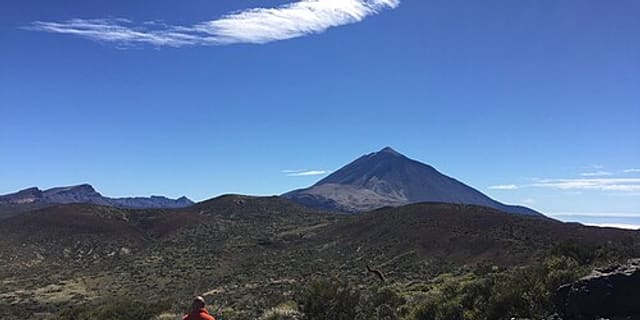
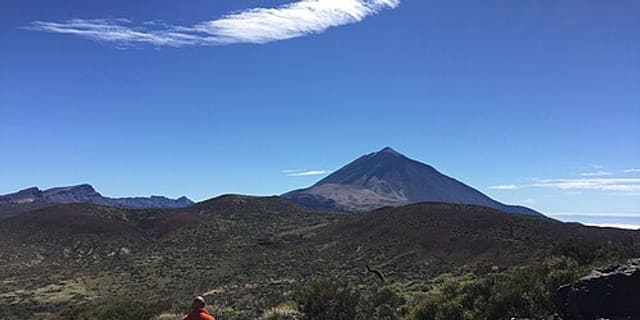
Teide Observatory sits on Mount Teide at high elevation on Tenerife, one of Spain's Canary Islands off the coast of North Africa. The site's excellent atmospheric conditions and dark skies make it ideal for modern astronomical observations. The Canary Islands are well-connected by air and sea transport.
Visiting Artemis Observatory
Teide Observatory welcomes visitors to its visitor centre and facilities. For information about visiting hours, tours, public programmes, and access to Artemis Observatory information, contact the Instituto de Astrofísica de Canarias (IAC) through iac.es. Check ahead for current schedules and any special programmes.
See Your Named Star from Here
A named star from our star-naming packages can be studied and observed from Artemis using its RA and Dec coordinates. The telescope's sensitivity to faint stars makes it ideal for exploring dim celestial targets. Browse our star catalogue to find your named star and learn how it might be observed from the Canary Islands.
Opening hours and public-visit programs vary by season. Check Google Maps for current times before you travel.
Institutional and reference sources used to verify this guide.
Satellite imagery: Esri, Maxar, Earthstar Geographics

 under 1 km
 under 1 km
ATLAS–TDO observatory
ATLAS astronomical observatory at Teide Observatory in Tenerife island (Spain)

 under 1 km