
Ankara University Observatory

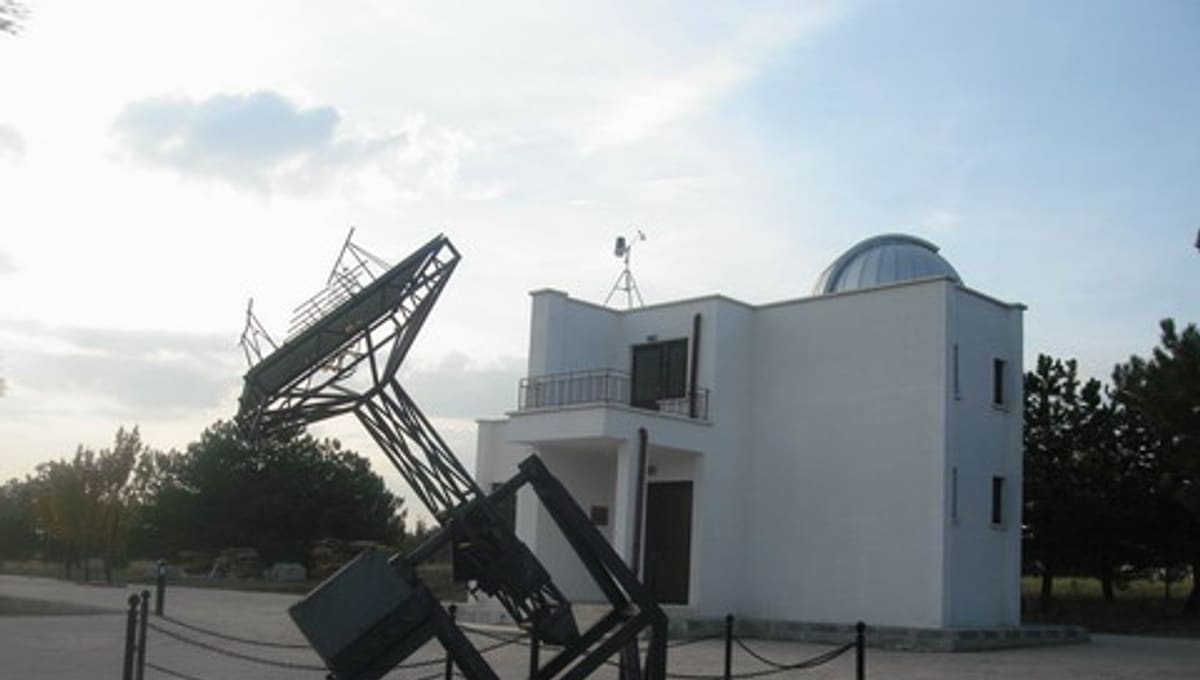
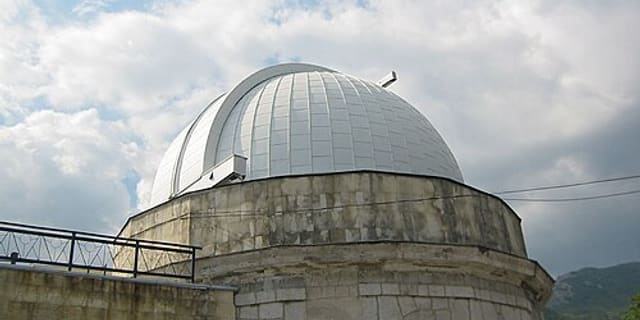
Image: Wikimedia Commons
Ankara University Observatory is a ground-based astronomical facility run by the Astronomy and Space Sciences Department of Ankara University's Faculty of Science, on the outskirts of the Turkish capital.
About Ankara University Observatory
Founded in 1963, the observatory was established by the Dutch astronomer Egbert Adriaan Kreiken in Ahlatlıbel, near Ankara. Today it houses nine optical telescopes and previously operated a radio telescope, which has since been taken out of service.
History
The observatory grew out of the vision of Kreiken, who set up the site to give the newly formed astronomy programme at Ankara University its own dedicated observing facility. Over the following decades it expanded its collection of instruments as the department's teaching and research needs grew.
Telescopes & research
Nine optical telescopes remain in active use at the site, supporting teaching and observational work for the university's astronomy programme. A retired radio telescope and older optical instruments are preserved and displayed in a small on-site museum, giving visitors a look at the observatory's instrumental history.
Location & getting there
The observatory is located in Ahlatlıbel, on the edge of Ankara, Turkey's capital, making it accessible from the city while still benefiting from a quieter setting away from the densest urban lighting.
Visiting Ankara University Observatory
The site includes a small museum of historic instruments alongside its working telescopes. Because it is a university facility tied to teaching schedules, it's best to check the observatory's official website for current visiting hours or open events before travelling.
See your named star from here
With nine optical telescopes on site, Ankara University Observatory has real capacity to point at a wide range of coordinates in the night sky, including those of a star named through Star Register. Look up your star's exact position in the star catalogue and share it with observatory staff or a local astronomy club to see it for yourself.
Opening hours and public-visit programs vary by season. Check the official website and Google Maps for current times before you travel.
Institutional and reference sources used to verify this guide.
Satellite imagery: Esri, Maxar, Earthstar Geographics

 342 kmResearch
 348 kmResearch
 502 kmResearch
 518 kmResearch