
Altona Observatory

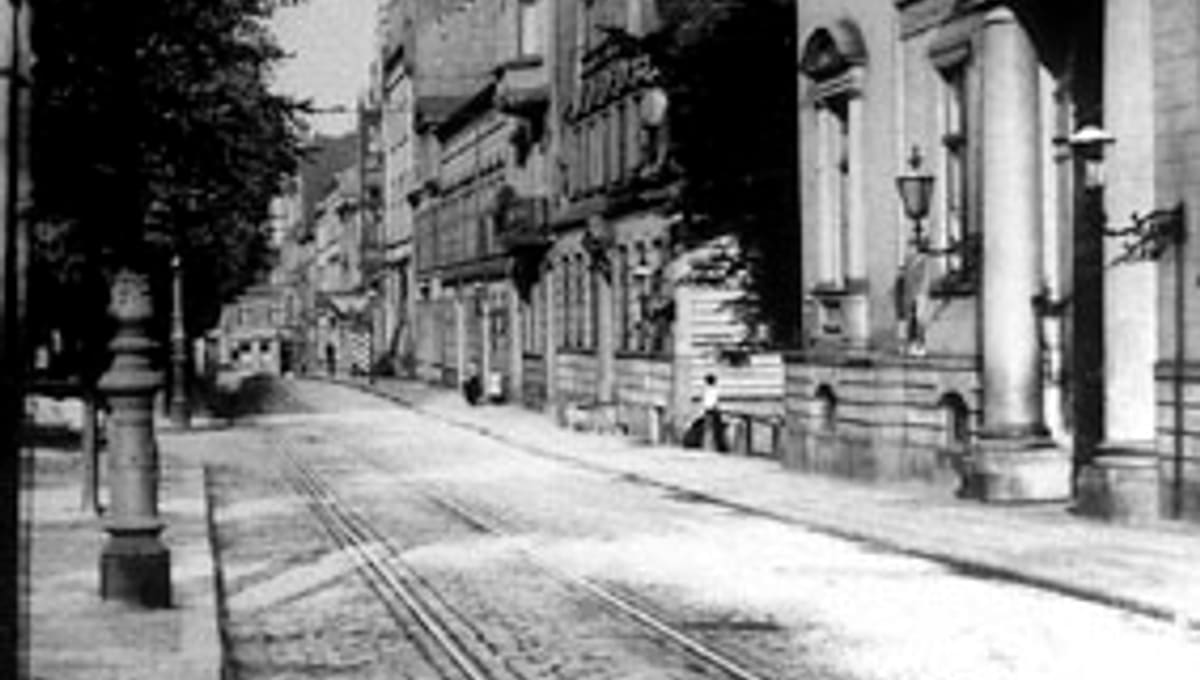
Image: Wikimedia Commons
The Altona Observatory (Sternwarte Altona) once stood on the Palmaille in Altona, now part of Hamburg, Germany, as one of 19th-century Europe's notable centres of astronomical publishing and observation.
About Altona Observatory
Founded by astronomer Heinrich Christian Schumacher in 1823, the observatory operated for nearly fifty years and became known as the birthplace of the Astronomische Nachrichten, a journal Schumacher founded there and which continued to be edited at the observatory until it closed.
History
The observatory continued operating for 21 years after Schumacher's death, closing in 1871 when funding was cut off following the cession of the "Elbe Duchies" of Schleswig, Holstein and Saxe-Lauenburg by Denmark to Austria and Prussia after the Second Schleswig War. Most of its instruments were subsequently transferred to a new observatory building in Kiel. The original building behind which the observatory stood was later destroyed in a 1941 bombing raid during the Second World War, and the German Federal Research Centre for Fisheries now occupies the site.
Location & getting there
The observatory once stood on the Palmaille, a historic boulevard in the Altona district of Hamburg, Germany, a site now redeveloped and no longer home to any observatory building.
Visiting Altona Observatory
As the original observatory building no longer exists, there is nothing on site to visit today; the Palmaille itself remains a notable Hamburg street, and the astronomical tradition Schumacher started continued at the successor observatory in Kiel and later at the modern Hamburg Observatory.
See your named star from here
Altona Observatory's legacy lives on through the journal it launched, which for decades carried reports of newly catalogued stars and orbits across Europe. If that history has you curious about the night sky today, you can name a star of your own through Star Register or explore the star catalogue.
Opening hours and public-visit programs vary by season. Check Google Maps for current times before you travel.
Institutional and reference sources used to verify this guide.
Satellite imagery: Esri, Maxar, Earthstar Geographics

 21 km
21 km
 62 kmPublic
 74 km
74 km