
AEMet Izaña

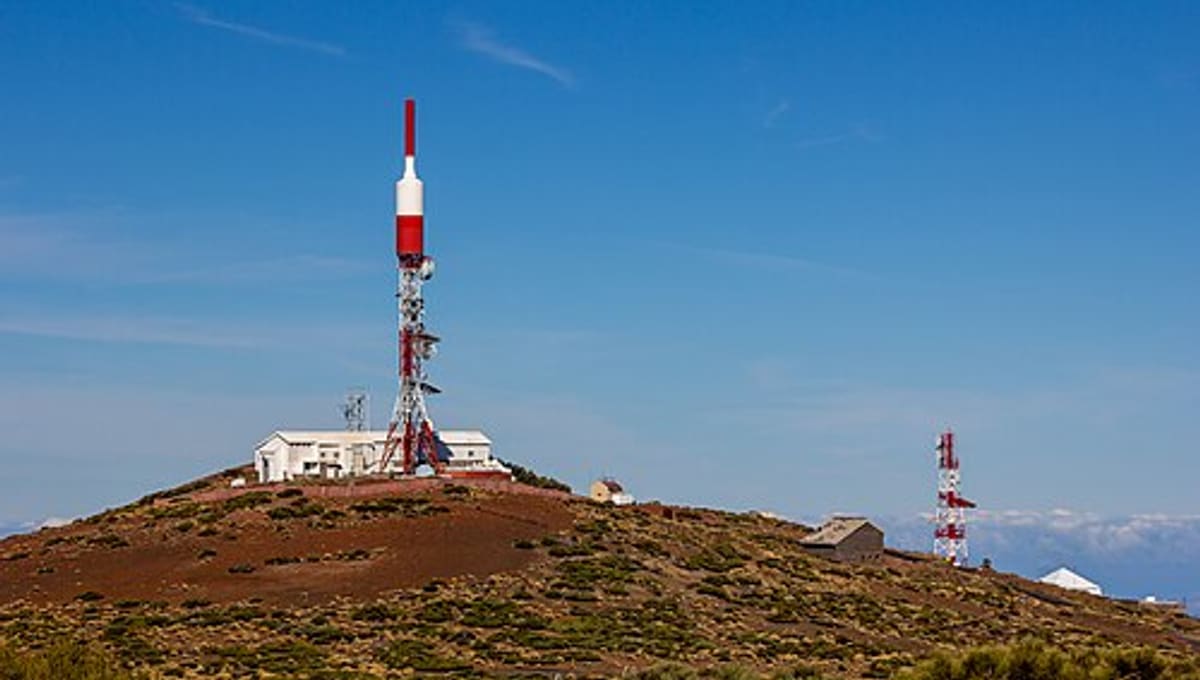
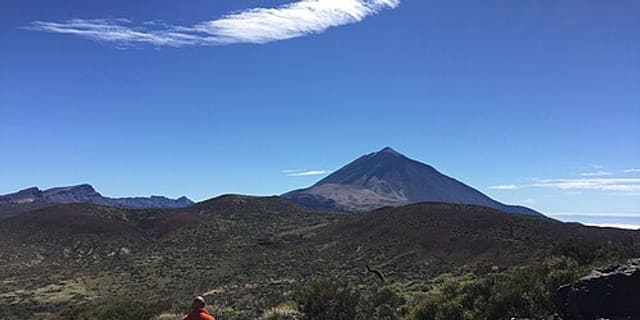
Image: Wikimedia Commons
Perched at 2,367 metres on a mountain ridge on Tenerife, the Izaña Atmospheric Observatory has quietly recorded the sky above the Canary Islands since the early 20th century.
About AEMET Izaña
Izaña is run by Spain's national meteorological agency, AEMET, and shares its high, clear-air setting with the Instituto de Astrofísica de Canarias, which operates astronomical facilities in the same area of Tenerife. The site was chosen in 1911 for its exceptional atmospheric conditions and has operated continuously since it was inaugurated on 1 January 1916.
History
Izaña's observatory grew out of an international agreement between Spain and Germany in 1909 to study the atmosphere from a high mountain site. It kept up meteorological records through periods of reduced activity around the Spanish Civil War and World War II, and its scientific role expanded again from the 1950s onward as astronomers also began using the clear Tenerife air to test conditions for optical observation. In 2017 the World Meteorological Organization recognised it as a Centennial Observing Station.
Telescopes & research
Rather than a visitor telescope, Izaña's instruments monitor the atmosphere itself: greenhouse gases, ozone, aerosols and solar radiation. It is one of the WMO's principal Global Atmospheric Watch stations and a major calibration centre for Europe's ozone-monitoring network.
Location & getting there
The observatory sits high on Tenerife's central ridge in the Canary Islands, in the same elevated, ultra-clear-air zone that also hosts the island's astronomical observatories.
Visiting AEMET Izaña
Izaña is first and foremost a working scientific research station rather than a tourist site, and public visiting arrangements are not widely advertised. If you want to experience Tenerife's famously clear high-altitude skies, check current access and any organised visits with AEMET or local tour operators before travelling.
See your named star from here
Tenerife's high, dry air is prized by astronomers worldwide, and it's exactly the kind of sky where the precise coordinates of a named star come into their own. Name a star or browse the catalogue of stars already named.
Opening hours and public-visit programs vary by season. Check the official website and Google Maps for current times before you travel.
Institutional and reference sources used to verify this guide.
Satellite imagery: Esri, Maxar, Earthstar Geographics

 1 km
1 km
 1 km
1 km
 1 km
1 kmATLAS–TDO observatory
ATLAS astronomical observatory at Teide Observatory in Tenerife island (Spain)

 1 km
1 km