
Utrecht Observatory

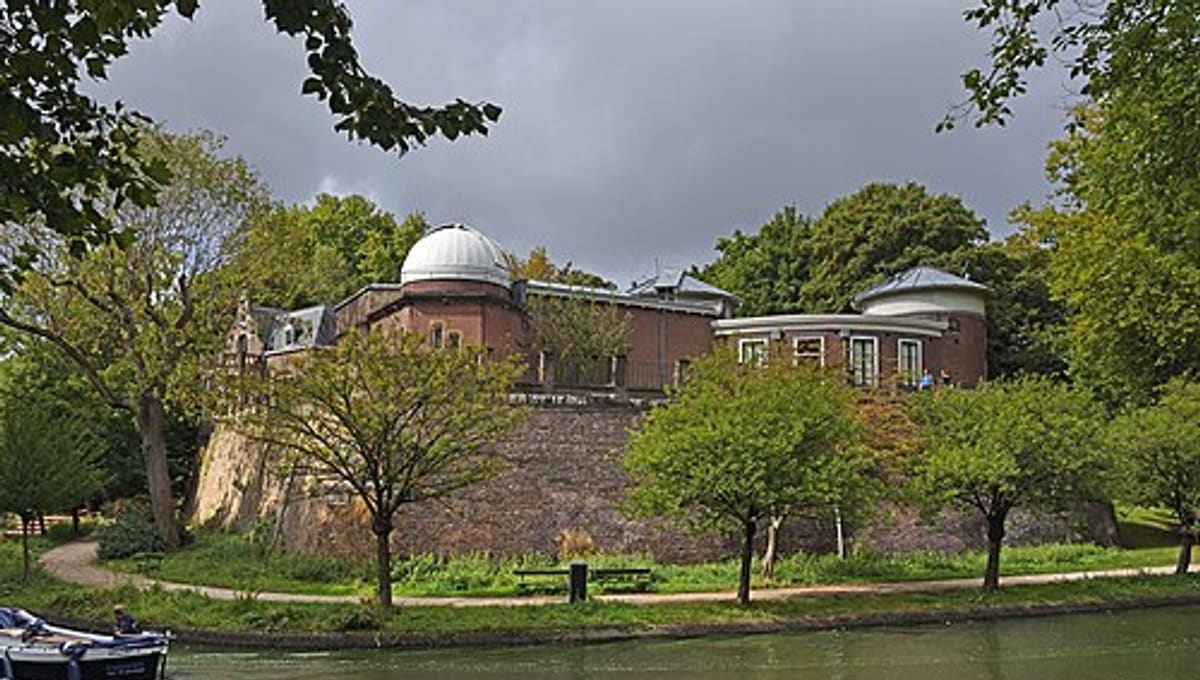
Image: Wikimedia Commons
Built into a surviving 16th-century fort in Utrecht, the Netherlands, Sonnenborgh Observatory is a public astronomical observatory and museum with a history that stretches from Renaissance defence works to modern solar physics.
About Sonnenborgh Observatory
Known in Dutch as Museum Sterrenwacht Sonnenborgh, the site occupies one of four stone forts built by Charles V to defend Utrecht, and today it is the only surviving bastion of the city's old walls. Since 2013, its main role has been as a museum, hosting public viewing evenings for amateur astronomers.
History
The observatory was founded in 1853 by C. H. D. Buys Ballot as a university observatory for Utrecht University. From 1854 to 1897 it was also the first home of the Royal Dutch Meteorological Institute. Its research focused heavily on the Sun, culminating in the 1940 publication of the Utrecht Atlas of the solar spectrum. Notable directors over the years included Jean Abraham Chrétien Oudemans, Martin Hoek, Albertus Antonie Nijland, Marcel Minnaert, and Kees de Jager. In 2021, the European Physical Society named it an official EPS Historic Site.
Location & getting there
Sonnenborgh Observatory sits on a historic bastion in Utrecht, the Netherlands, within easy reach of the city centre.
Visiting Sonnenborgh Observatory
As a museum, it hosts public viewing evenings for amateur astronomers; check the official website for current opening hours and event dates before visiting.
See your named star from here
Generations of astronomers here trained their instruments on the Sun and the sky — the same principle lets any telescope find a named star by its coordinates. Name a star of your own, or browse the catalogue of existing dedications.
Opening hours and public-visit programs vary by season. Check the official website and Google Maps for current times before you travel.
Institutional and reference sources used to verify this guide.
Satellite imagery: Esri, Maxar, Earthstar Geographics

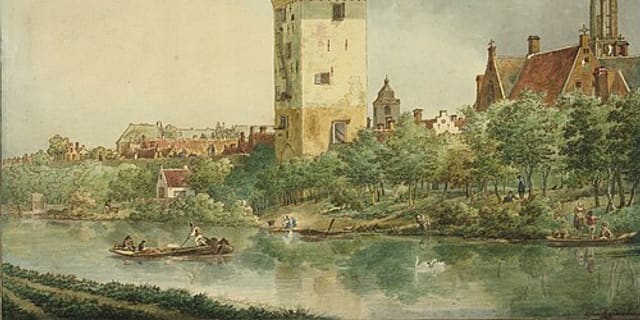 under 1 km
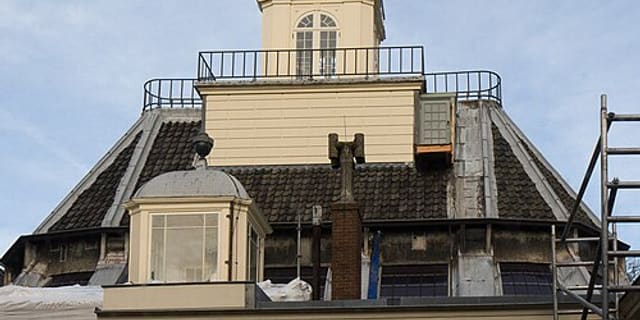 47 km
47 km
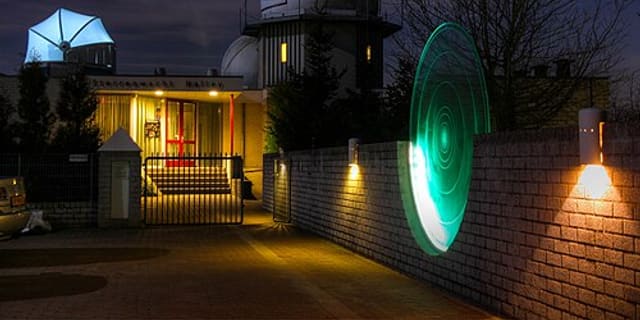 49 km
49 km