
SFA Observatory
Satellite imagery: Esri, Maxar, Earthstar Geographics
SFA Observatory sits about 17 kilometres north of Nacogdoches, Texas, owned and operated by Stephen F. Austin State University since it opened in 1976.
About SFA Observatory
SFA Observatory serves as a teaching and research facility for Stephen F. Austin State University, supporting undergraduate instruction and graduate-level research. It is regularly cited as the second-largest observatory in Texas and the largest student-run observatory in the state, with more than 600 astronomy students making use of it every year.
History
The observatory opened in 1976. Its main instrument, a 1.04-metre (41-inch) reflecting telescope modelled on the design of the historic Lick Observatory, was built at SFASU and became operational in 1984. The site also holds more than 15 telescopes in total, including an 18-inch instrument once used by NASA on the Marshall Islands in the 1960s to help identify potential Moon landing sites.
Telescopes & research
Beyond its flagship 1.04-metre reflector, the observatory's collection of telescopes supports a wide range of teaching and research work for SFASU's physics, engineering, and astronomy programme.
Location & getting there
The observatory is set in rural East Texas woodland north of Nacogdoches, chosen to keep it away from city light pollution while remaining a manageable drive from campus.
Visiting SFA Observatory
SFASU's Society of Physics Students runs regular public viewing nights at the observatory. Check the university's physics, engineering, and astronomy department pages for current dates and details before visiting.
See your named star from here
With more telescopes than almost any other observatory of its kind in Texas, SFA Observatory is well equipped to point toward specific sky coordinates, the same coordinates behind a star named through Star Register. Search the catalogue for your star and bring it along to a public viewing night.
Opening hours and public-visit programs vary by season. Check Google Maps for current times before you travel.
Institutional and reference sources used to verify this guide.
Satellite imagery: Esri, Maxar, Earthstar Geographics

 100 kmRadio
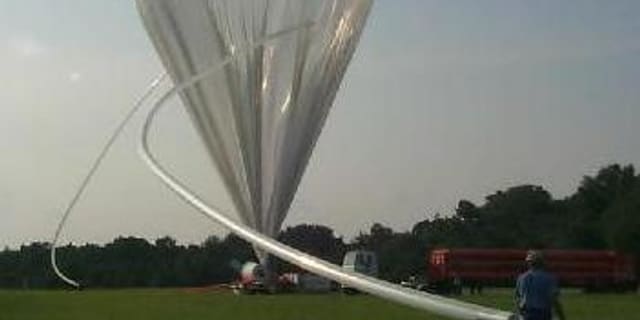
Millimeter Anisotropy eXperiment IMaging Array
Cosmic Microwave Background experiment

 376 km
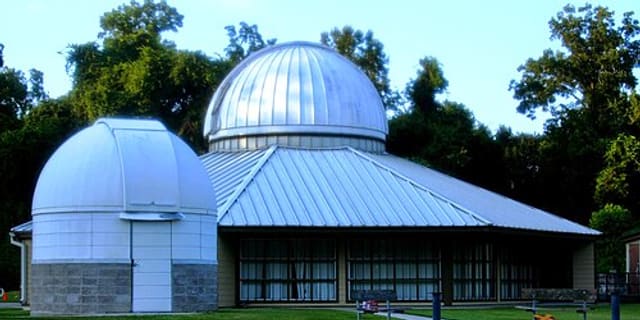
River Ridge Observatory
astronomical observatory in Arkansas, United States