
Royal Observatory, Cape of Good Hope

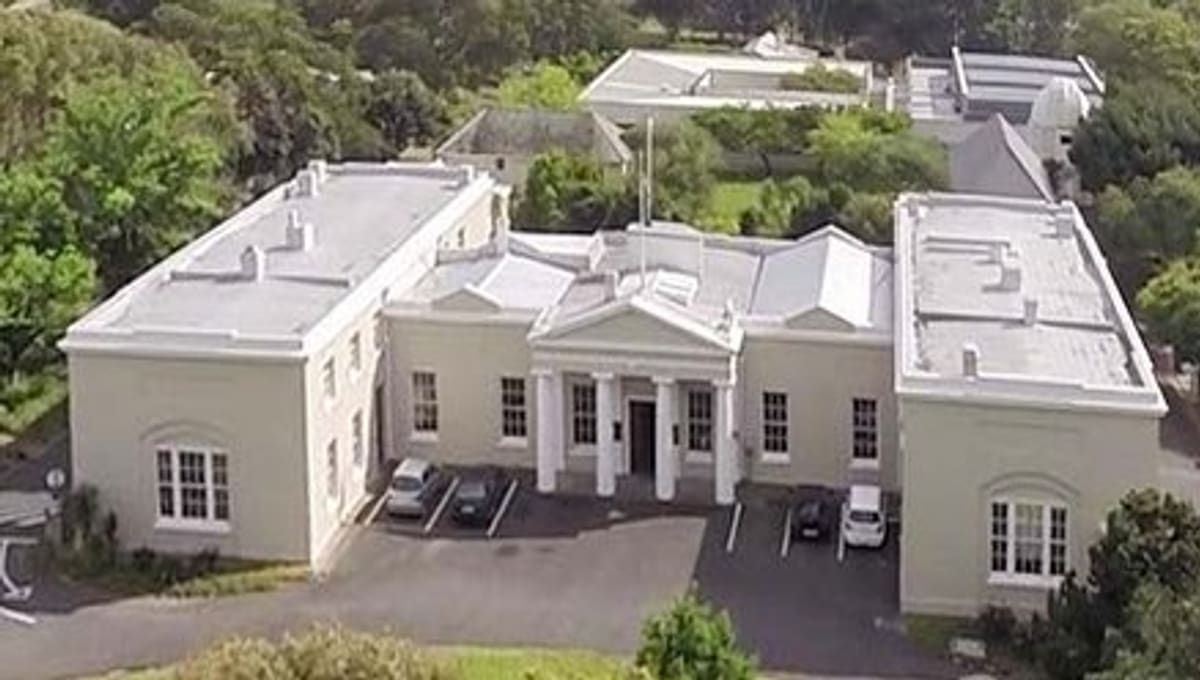
Image: Wikimedia Commons
The Royal Observatory, Cape of Good Hope was southern Africa's first permanent observatory, founded on a small hill south-east of Cape Town, South Africa, in 1820.
About the Royal Observatory, Cape of Good Hope
Established by the British Board of Longitude by an Order in Council of King George IV on 20 October 1820, it was the first major scientific institution built in Africa and the first permanent observatory in the southern hemisphere. Its purpose was to extend the work of Greenwich into southern skies and determine fundamental astronomical data from below the equator. British astronomer Fearon Fallows oversaw its construction, with the main buildings completed in 1829 at a cost of £30,000.
History
The surrounding neighbourhood, now known simply as Observatory, took its name from the institution. The observatory later became the headquarters of the South African Astronomical Observatory, and in December 2018 it was declared a National Heritage Site; it has also been the subject of an ICOMOS/IAU case study as a potential World Heritage Site.
Location & getting there
The site sits at about 15 metres elevation on a small hill roughly 5 km south-east of central Cape Town, South Africa, in the suburb that now bears its name.
Visiting the Royal Observatory, Cape of Good Hope
The historic buildings now serve as the headquarters of the South African Astronomical Observatory rather than an active viewing site. Check the South African Astronomical Observatory's website for current public access and any scheduled open days before visiting.
See your named star from here
This is where southern-hemisphere astronomy began in earnest, extending Greenwich's work into skies the north could never see. Name a star of your own, or search the star catalogue for one already registered, then look up its coordinates for your next clear night in Cape Town.
Opening hours and public-visit programs vary by season. Check Google Maps for current times before you travel.
Institutional and reference sources used to verify this guide.
Satellite imagery: Esri, Maxar, Earthstar Geographics

 278 km
 278 km
 278 km
 278 km
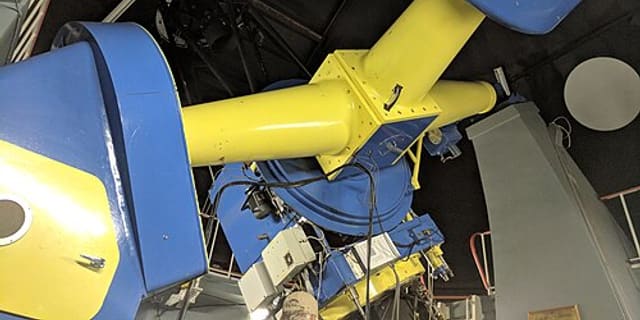
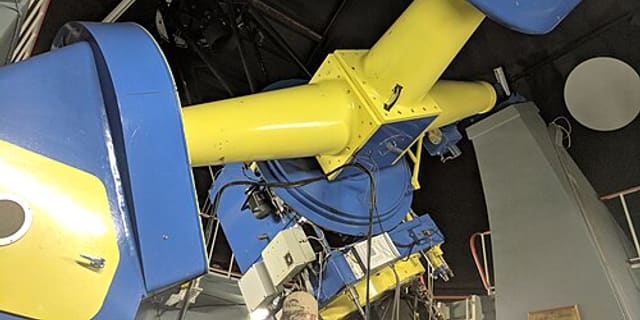
ATLAS–SAAO observatory
astronomical observatory at Sutherland Observatory in South Africa