
Planetology and Astrophysics Institute of Grenoble

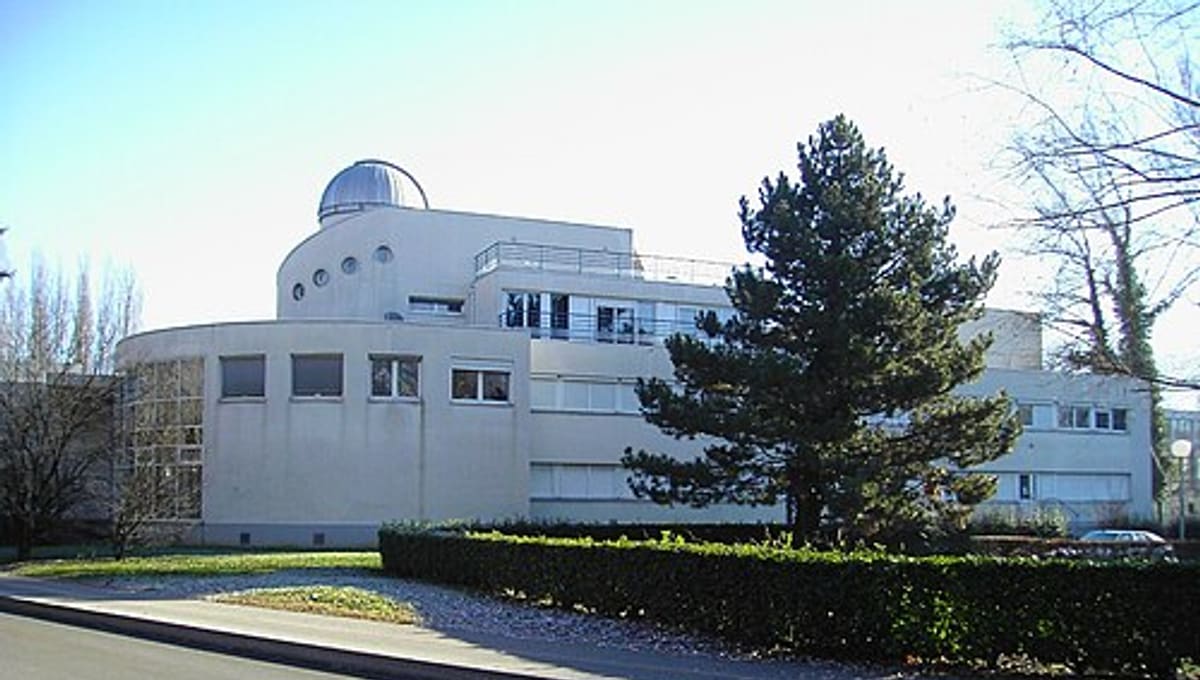
Image: Wikimedia Commons
In the foothills of the French Alps, the Planetology and Astrophysics Institute of Grenoble - known by its French acronym IPAG - is a research powerhouse studying everything from the Sun's interaction with Earth to the birth of planets around other stars.
About the Planetology and Astrophysics Institute of Grenoble
IPAG is a joint research unit of the CNRS's astronomy branch (INSU) and Université Grenoble Alpes. It employs roughly 170 people, including around 60 scientists and professors, 30 engineers and technicians, and about 80 contract researchers - among them 20 postdocs and 40 PhD students.
History
The institute was formed in 2011 through the merger of two established Grenoble laboratories: the Laboratoire d'Astrophysique de Grenoble (LAOG) and the Laboratoire de Planétologie de Grenoble (LPG), combining astrophysics and planetary science under one roof.
Research focus
IPAG's scientists work across several major themes: the physical interaction between the Sun and Earth, the structure of planetary subsurfaces, the study of small solar system bodies such as asteroids and comets, and how exoplanets and protostellar discs form. The institute is also heavily involved in teaching, hosting more than 60 intern students each year.
Location & getting there
IPAG is based in Grenoble, in the Auvergne-Rhône-Alpes region of southeastern France, as part of the city's Universe Sciences Observatory. Grenoble is a major university city with excellent rail links to Lyon, Paris and the wider Alps, making the institute accessible for anyone visiting the region.
Visiting IPAG
As a working research laboratory rather than a public observatory, IPAG isn't generally set up for casual visitors. Students, researchers and groups interested in a visit should contact the institute directly through its official website to check current access and any outreach events.
See your named star from here
IPAG's researchers study everything from nearby stars to distant protostellar discs, a reminder of how much detail even a small patch of sky can hold. If you've named a star through Star Register, you can look up its exact coordinates and explore the wider night sky in our star catalogue.
Opening hours and public-visit programs vary by season. Check the official website and Google Maps for current times before you travel.
Institutional and reference sources used to verify this guide.
Satellite imagery: Esri, Maxar, Earthstar Geographics

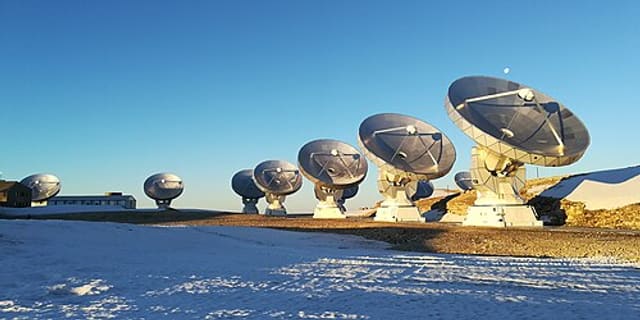 under 1 kmRadio
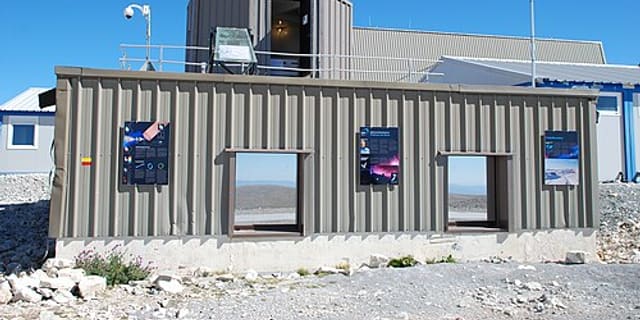 63 km
63 km
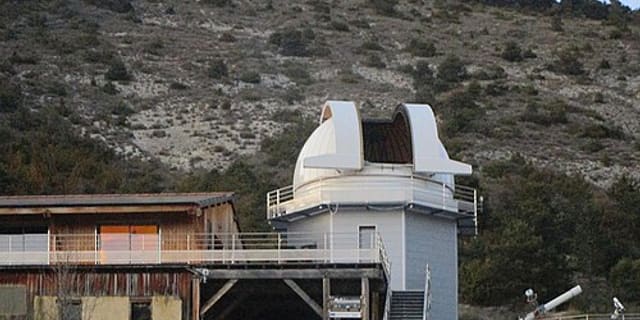 90 km
90 km