
Pic du Midi Observatory

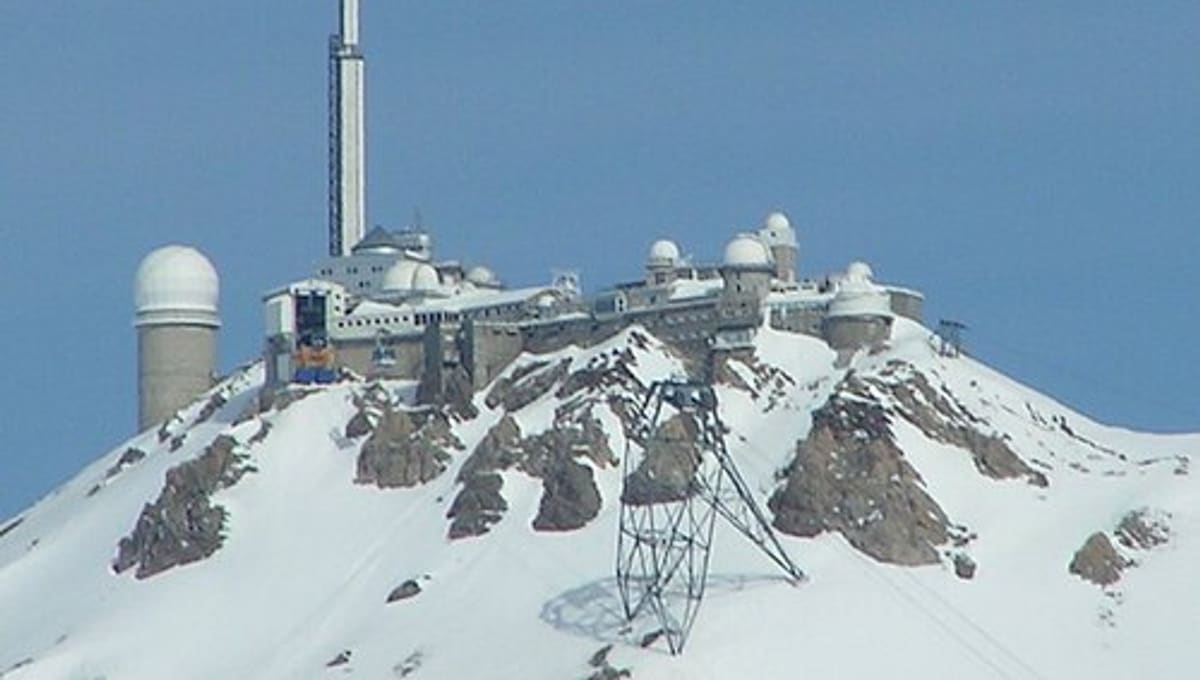
Image: Wikimedia Commons
Pic du Midi Observatory crowns a dramatic 2,877-metre peak above Bagnères-de-Bigorre in the French Pyrénées, one of Europe's highest and most storied astronomical sites.
About Pic du Midi Observatory
Perched on the summit of the Pic du Midi de Bigorre, the observatory has combined astrophysics with atmospheric and geophysical research for well over a century. A staff of around 35 people keeps the site running through harsh mountain conditions, and its altitude and exceptionally clear air have long made it one of the best sites in Europe for observing the sky.
History
The site began in 1873 as a provisional meteorological station near the Col de Sencours. Between 1878 and 1881, a team of around 30 workers hauled materials up the mountain to build a permanent station on the summit itself, laying the foundations for the observatory that stands there today.
Telescopes & research
The observatory's flagship instrument is the Bernard Lyot Telescope (TBL), in operation since 1981 and still one of the largest optical telescopes in mainland France. Alongside it work the T1M, T60, T50 and the Jean Rösch solar telescope, supporting research spanning astrophysics, atmospheric science and geophysics.
Location & getting there
At 2,877 metres, Pic du Midi is reached by cable car from La Mongie in the Hautes-Pyrénées, making the summit and its panoramic terraces accessible without a mountaineering trek. The thin, dry mountain air that makes the site so valuable for astronomy also makes for some of the clearest long-distance views in the Pyrénées.
Visiting Pic du Midi Observatory
The observatory welcomes the public via cable car, with exhibitions, terraces and guided visits built around its astronomical and scientific heritage; check the observatory's official website for current hours, tickets and night-sky sessions before travelling.
See your named star from here
Every star named through Star Register comes with exact right ascension and declination coordinates, so wherever a telescope points, including from a summit as clear as Pic du Midi, you can find the star dedicated in your name. Name a star or explore the star catalogue to see the coordinates for yourself.
Opening hours and public-visit programs vary by season. Check the official website and Google Maps for current times before you travel.
Institutional and reference sources used to verify this guide.
Satellite imagery: Esri, Maxar, Earthstar Geographics

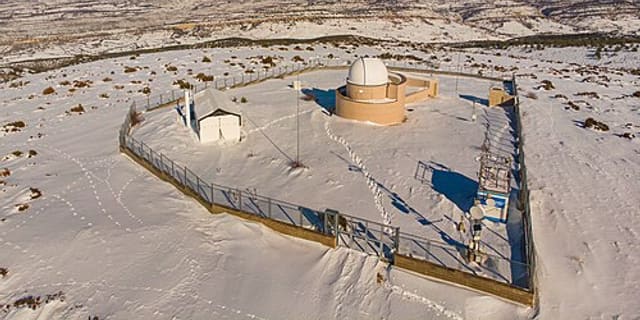 110 km
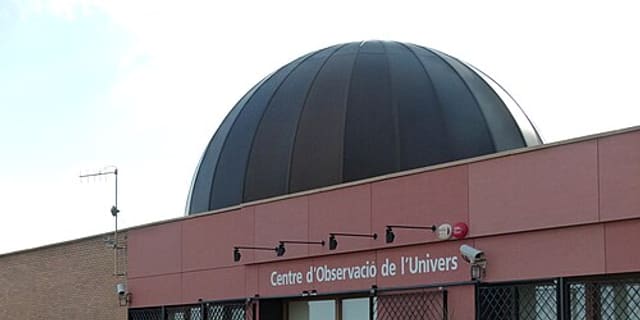 113 km
 161 kmMuseum