
Marseille Observatory

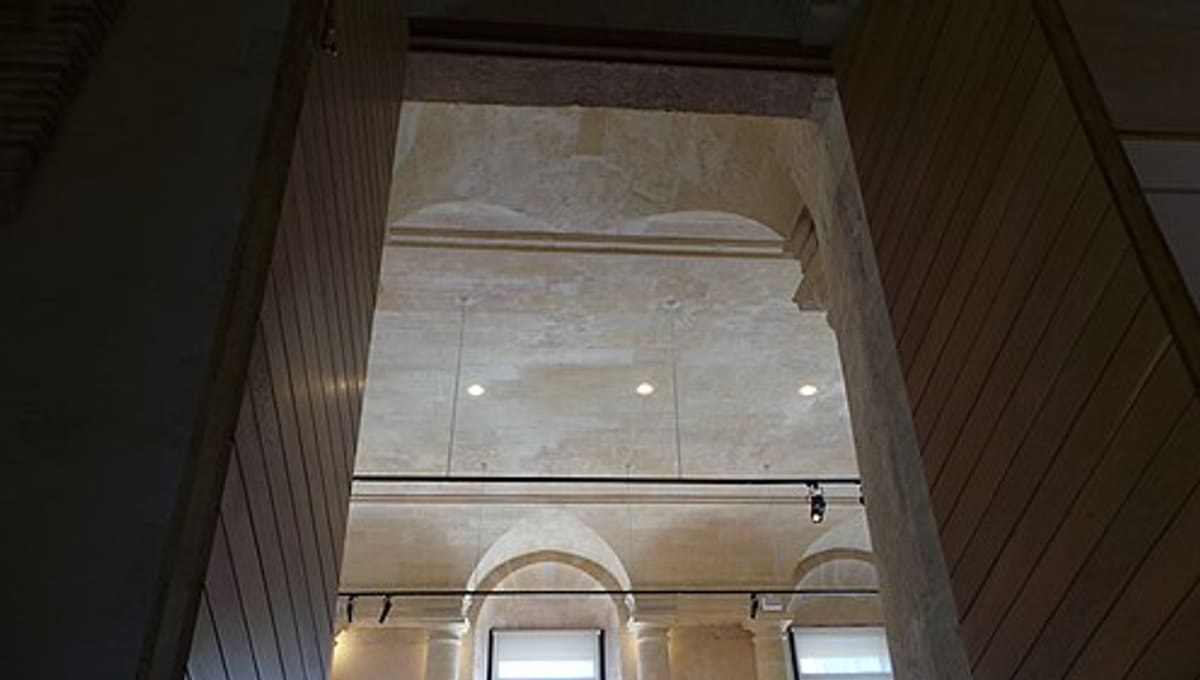
Image: Wikimedia Commons
Marseille Observatory has been watching the sky over southern France since the early 18th century, and its 19th-century incarnation is still remembered for one of astronomy's most photographed galaxy groups.
About Marseille Observatory
Marseille Observatory (Observatoire de Marseille) is an astronomical observatory in Marseille, France, with a history stretching back to 1702. It sits at an elevation of 40 metres and is today run as a joint research unit by Aix-Marseille University and the French National Center for Scientific Research (CNRS).
History
Founded in 1702, the observatory reached its most famous moment in 1877, when its then-director Édouard Stephan discovered a tight group of galaxies now known as Stephan's Quintet - one of the first compact galaxy groups ever identified. The observatory's older facilities at the Palais Longchamp remain a well-known Marseille landmark, and a planetarium was added there in 2001.
Telescopes & research
Among the notable instruments on display is the Foucault glass-mirror telescope, a historically significant piece of equipment. It was an early example of the modern reflecting-telescope design that uses a thin metal coating on shaped glass, rather than a solid metal mirror - the technique that eventually became standard in astronomy after silvered-glass mirrors caught on in the following decades.
Location & getting there
The observatory is located in Marseille on France's Mediterranean coast, at roughly 40 metres above sea level. The historic Palais Longchamp site is a well-established stop for visitors already exploring the city.
Visiting Marseille Observatory
The Palais Longchamp buildings, including the Foucault telescope and the 2001 planetarium, are a noted Marseille tourist attraction. Check current opening times and ticketing on official Marseille visitor information before you go, since exhibits and hours can change.
See your named star from here
An observatory with three centuries of history is a fitting place to think about your own place in the night sky. The right ascension and declination on a Star Register certificate mark a real, fixed point that a telescope here - or anywhere - can be aimed at. Name a star or explore the star catalogue to find yours.
Opening hours and public-visit programs vary by season. Check the official website and Google Maps for current times before you travel.
Institutional and reference sources used to verify this guide.
Satellite imagery: Esri, Maxar, Earthstar Geographics

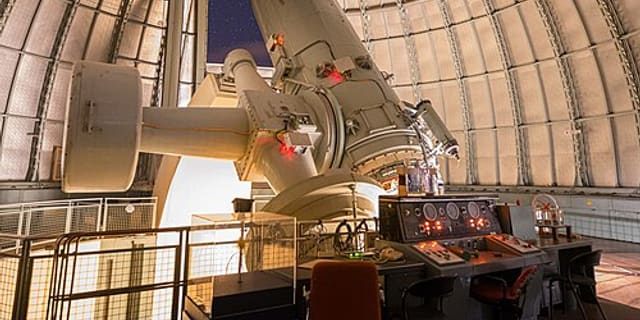 74 km
74 km
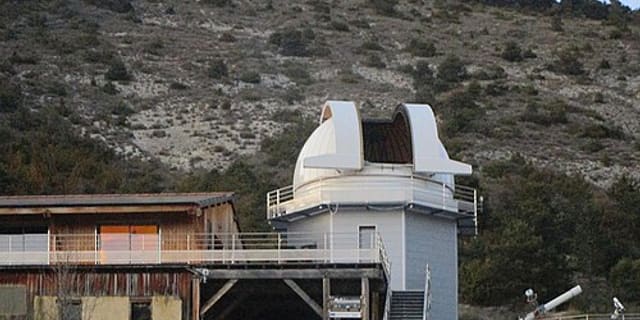 123 km