
Markree Observatory

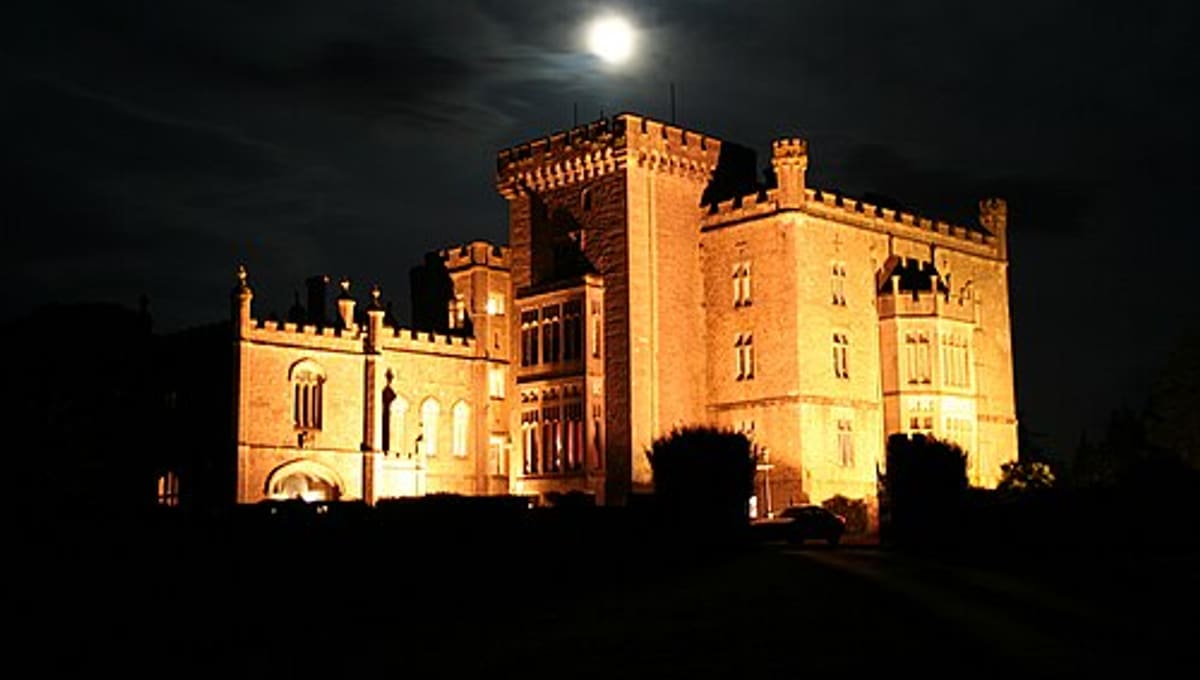
Image: Wikimedia Commons
Markree Observatory, at Markree Castle in County Sligo, Ireland, was once home to the largest refracting telescope in the world and the site of a notable 19th-century asteroid discovery.
About Markree Observatory
Founded in 1830, the observatory sits at an elevation of 44 metres and was built around a 13.3-inch (340mm) Cauchoix of Paris lens - the largest refractor of its day.
History
Markree operated to varying degrees throughout the 19th century, including a brief hiatus followed by a return to activity in the later 1800s. In 1848, Andrew Graham, an assistant at the observatory, used a comet-seeker telescope there to discover the asteroid 9 Metis. The observatory also compiled a star catalogue of some 60,000 entries during the 1850s and, in its later years, became known for meteorological observations and research into double stars.
Location & getting there
The observatory is part of Markree Castle in County Sligo, in the northwest of Ireland, at an elevation of 44 metres.
Visiting Markree Observatory
Markree is described as a former observatory, and we don't have confirmed details on public access to the historic instruments today - check locally or search online before planning a visit.
See your named star from here
Markree's history of world-leading telescope work makes it a fitting place to imagine tracking down a named star's coordinates. Name a star or browse the catalogue of stars already registered.
Opening hours and public-visit programs vary by season. Check Google Maps for current times before you travel.
Satellite imagery: Esri, Maxar, Earthstar Geographics
South Meridian Marker
observatory in Ballyheridan, County Armagh, Northern Ireland

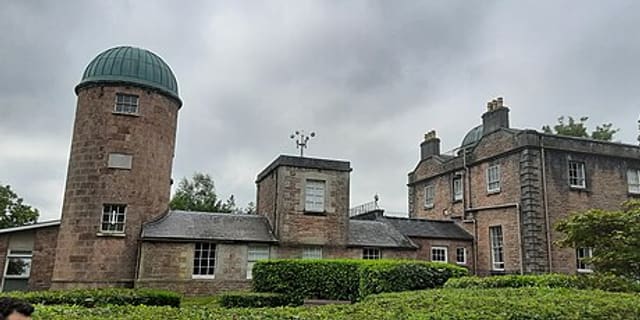 119 km
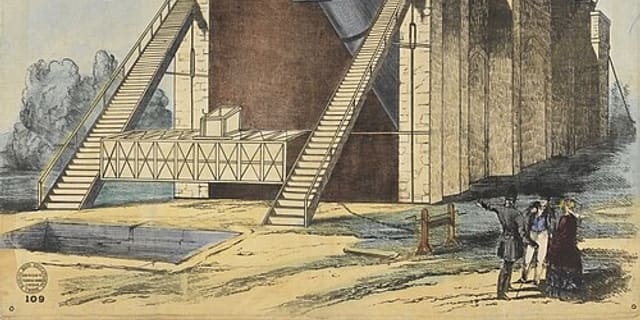 125 km